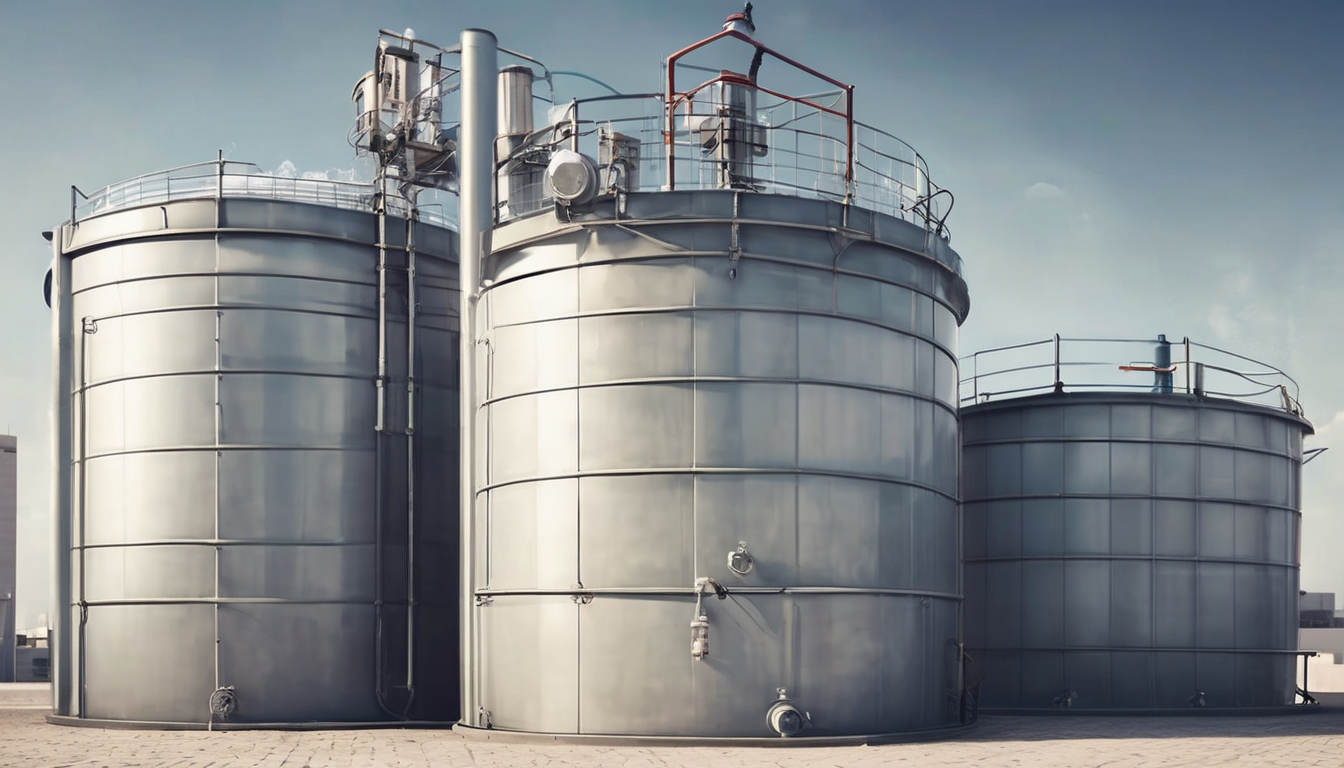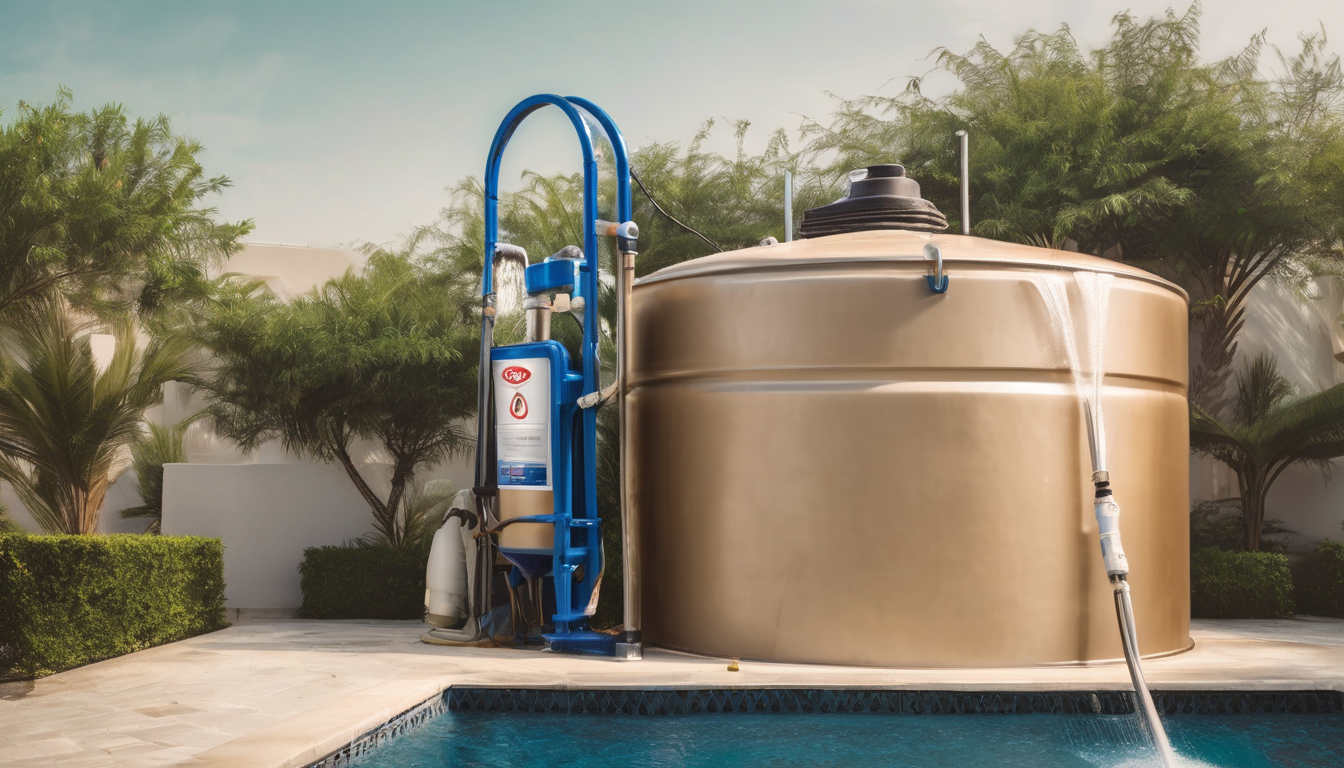



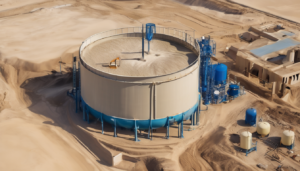
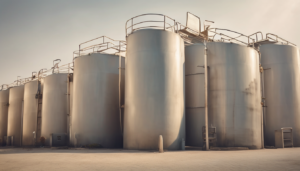
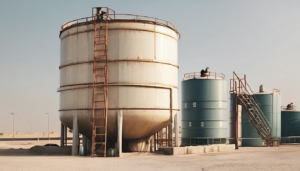
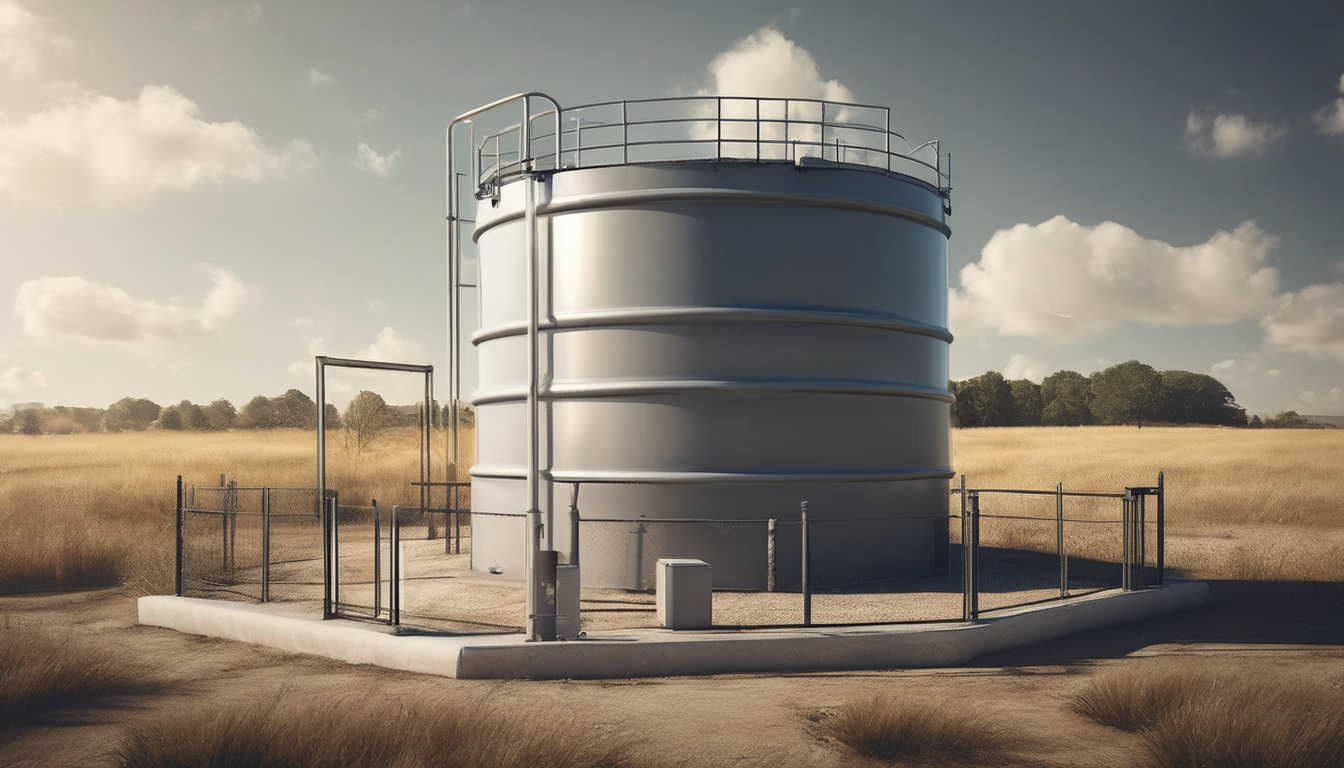

Understanding How Long Can A Water Storage tank Last is essential.
Introduction to Water Storage Tank Lifespan
Water Storage Tanks are crucial for ensuring a consistent supply of clean, potable water in residential, commercial, and industrial settings. However, many property owners wonder how long these tanks can last before requiring repair or replacement. The answer depends on several factors, including the tank type, maintenance practices, environmental conditions, and regular cleaning and disinfection. This guide provides an in-depth look at the typical lifespan of water storage tanks and offers practical advice to help extend their longevity.
Understanding How Long Can a Water Storage Tank Last?
Water storage tanks can last anywhere from 10 to 30 years, depending on the material, maintenance, and usage. For instance, underground concrete tanks typically have a longer lifespan than overhead plastic tanks due to their construction and exposure to environmental elements. Regular cleaning, disinfection, and inspection are essential for maintaining water quality and ensuring safe storage. This relates directly to How Long Can A Water Storage Tank Last.
Factors Influencing Tank Lifespan
The lifespan of a water storage tank is influenced by several factors:
- Material Type: Concrete tanks are generally more durable and resistant to corrosion, while plastic tanks may degrade faster due to UV exposure.
- Environmental Conditions: High temperatures, humidity, and sand storms can accelerate wear and tear on tank components.
- Water Quality: Sediment, rust, and biofilm buildup can shorten a tank’s lifespan by creating corrosion points and reducing storage capacity.
- Maintenance Practices: Regular cleaning, disinfection, and inspection help prevent contamination and extend the tank’s useful life.
Typical Timelines for Different Types of Tanks
The expected lifespan can vary significantly between different types of water storage tanks:
- Concrete Tanks: Underground concrete tanks may last up to 30 years with proper maintenance.
- Plastic Tanks: Overhead plastic tanks typically have a shorter lifespan, ranging from 15 to 20 years.
- Metal Tanks: Metal tanks can be subject to corrosion and may require more frequent inspections. Their typical lifespan is around 10-15 years.
Maintenance Practices to Extend Tank Life
To maximize the longevity of water storage tanks, follow these essential maintenance practices:
- Regular Cleaning and Disinfection: Schedule professional cleaning at least once a year or as recommended by local health authorities.
- Inspect for Damage: Regularly check the tank for cracks, leaks, and signs of corrosion. Address any issues promptly to prevent water contamination.
- Frequent Filtration: Use appropriate filtration systems to remove sediments and contaminants before they enter the storage tank.
- Covering Tank Hatches: Ensure that all hatches are properly sealed to prevent dust, debris, and pests from entering the tank.
Signs Your Water Storage Tank Needs Repair or Replacement
If you notice any of these signs, it may be time to consider repairing or replacing your water storage tank: The importance of How Long Can A Water Storage Tank Last is evident here.
- Visible Damage: Cracks, holes, and other structural issues can compromise the integrity of the tank.
- Odor Issues: Persistent bad odors may indicate contamination or decomposition within the tank.
- Taste Problems: Changes in water taste or appearance could signal a problem with the storage system.
- Frequent Repairs: If you find yourself making repeated repairs, it might be more cost-effective to replace the tank.
Environmental and Hygiene Considerations
The environment in which a water storage tank is located can significantly impact its lifespan. In Dubai, for example, high temperatures and frequent sandstorms accelerate wear and tear on tanks. Ensuring proper insulation and protection from environmental factors can help extend the tank’s useful life.
Expert Tips for Maintaining Water Storage Tanks
Here are some expert tips to ensure your water storage tanks remain in good condition:
- Follow Local Regulations: Adhere to the guidelines set by Dubai Municipality and other local authorities to maintain compliance.
- Hire Professional Services: Engage certified professionals for cleaning, disinfection, and maintenance to avoid DIY mistakes that could compromise safety and efficiency.
- Monitor Water Quality: Regularly test water quality to ensure it meets potable standards. This can help identify issues early on.
Frequently Asked Questions About Tank Lifespans
Here are answers to some common questions regarding the lifespan of water storage tanks:
- How often should I clean my water tank? Clean your water storage tank at least once a year, or as recommended by local health authorities.
- What signs indicate that my tank needs to be replaced? Look for visible damage, odor issues, and frequent repairs. These are strong indicators that the tank may need replacement.
- Can I extend the lifespan of my water storage tank with regular maintenance? Yes, regular cleaning, disinfection, and inspection can significantly prolong the life of your water storage tank.
Conclusion: Key Takeaways on Tank Lifespan
Understanding how long a water storage tank can last is crucial for maintaining safe and clean water in any setting. By following best practices, such as regular cleaning, disinfection, and inspection, you can extend the lifespan of your tanks and ensure consistent water quality. Remember to consider environmental factors, local regulations, and maintenance schedules when managing your water storage system.
—
Discover the typical lifespan of water storage tanks and learn how to extend their life through proper maintenance practices in Dubai and other regions. When considering How Long Can A Water Storage Tank Last, this becomes clear.
—
—
Introduction to Water Storage Tank Lifespan
Water storage tanks play a vital role in ensuring a reliable and safe water supply for residential, commercial, and industrial settings. However, the question of how long these tanks can last often arises among property owners. The answer is multifaceted, as it depends on several factors including the type of tank, environmental conditions, maintenance practices, and regular cleaning and disinfection schedules.
Understanding How Long Can a Water Storage Tank Last?
Water storage tanks can last anywhere from 10 to 30 years, depending on various factors. For example, underground concrete tanks generally have a longer lifespan compared to overhead plastic tanks due to their construction and exposure to environmental elements.
Factors Influencing Tank Lifespan
The lifespan of a water storage tank is influenced by several key factors:
- Material Type: Concrete tanks are more durable and resistant to corrosion, while plastic tanks may degrade faster due to UV exposure.
- Environmental Conditions: High temperatures, humidity, and sand storms can accelerate wear and tear on tank components.
- Water Quality: Sediment, rust, and biofilm buildup can shorten a tank’s lifespan by creating corrosion points and reducing storage capacity.
- Maintenance Practices: Regular cleaning, disinfection, and inspection help prevent contamination and extend the tank’s useful life.
Typical Timelines for Different Types of Tanks
The expected lifespan can vary significantly between different types of water storage tanks:
- Concrete Tanks: Underground concrete tanks may last up to 30 years with proper maintenance.
- Plastic Tanks: Overhead plastic tanks typically have a shorter lifespan, ranging from 15 to 20 years.
- Metal Tanks: Metal tanks can be subject to corrosion and may require more frequent inspections. Their typical lifespan is around 10-15 years.
Maintenance Practices to Extend Tank Life
To maximize the longevity of water storage tanks, follow these essential maintenance practices:
- Regular Cleaning and Disinfection: Schedule professional cleaning at least once a year or as recommended by local health authorities.
- Inspect for Damage: Regularly check the tank for cracks, leaks, and signs of corrosion. Address any issues promptly to prevent water contamination.
- Frequent Filtration: Use appropriate filtration systems to remove sediments and contaminants before they enter the storage tank.
- Covering Tank Hatches: Ensure that all hatches are properly sealed to prevent dust, debris, and pests from entering the tank.
Signs Your Water Storage Tank Needs Repair or Replacement
If you notice any of these signs, it may be time to consider repairing or replacing your water storage tank: How Long Can A Water Storage Tank Last factors into this consideration.
- Visible Damage: Cracks, holes, and other structural issues can compromise the integrity of the tank.
- Odor Issues: Persistent bad odors may indicate contamination or decomposition within the tank.
- Taste Problems: Changes in water taste or appearance could signal a problem with the storage system.
- Frequent Repairs: If you find yourself making repeated repairs, it might be more cost-effective to replace the tank.
Environmental and Hygiene Considerations
The environment in which a water storage tank is located can significantly impact its lifespan. In Dubai, for example, high temperatures and frequent sandstorms accelerate wear and tear on tanks. Ensuring proper insulation and protection from environmental factors can help extend the tank’s useful life.
Expert Tips for Maintaining Water Storage Tanks
Here are some expert tips to ensure your water storage tanks remain in good condition:
- Follow Local Regulations: Adhere to the guidelines set by Dubai Municipality and other local authorities to maintain compliance.
- Hire Professional Services: Engage certified professionals for cleaning, disinfection, and maintenance to avoid DIY mistakes that could compromise safety and efficiency.
- Monitor Water Quality: Regularly test water quality to ensure it meets potable standards. This can help identify issues early on.
Frequently Asked Questions About Tank Lifespans
Here are answers to some common questions regarding the lifespan of water storage tanks:
How often should I clean my water tank?
Clean your water storage tank at least once a year, or as recommended by local health authorities.
What signs indicate that my tank needs to be replaced?
Look for visible damage, odor issues, and frequent repairs. These are strong indicators that the tank may need replacement.
Can I extend the lifespan of my water storage tank with regular maintenance?
Yes, regular cleaning, disinfection, and inspection can significantly prolong the life of your water storage tank.
Conclusion: Key Takeaways on Tank Lifespan
Understanding how long a water storage tank can last is crucial for maintaining safe and clean water in any setting. By following best practices, such as regular cleaning, disinfection, and inspection, you can extend the lifespan of your tanks and ensure consistent water quality. Remember to consider environmental factors, local regulations, and maintenance schedules when managing your water storage system.