




Understanding Best Practices for Post-Cleaning Water Quality Assurance in
Ensuring the quality of water post-cleaning is a critical step in safeguarding public health. This article outlines best practices to maintain clean and hygienic water storage tanks, applicable to both residential and commercial settings.
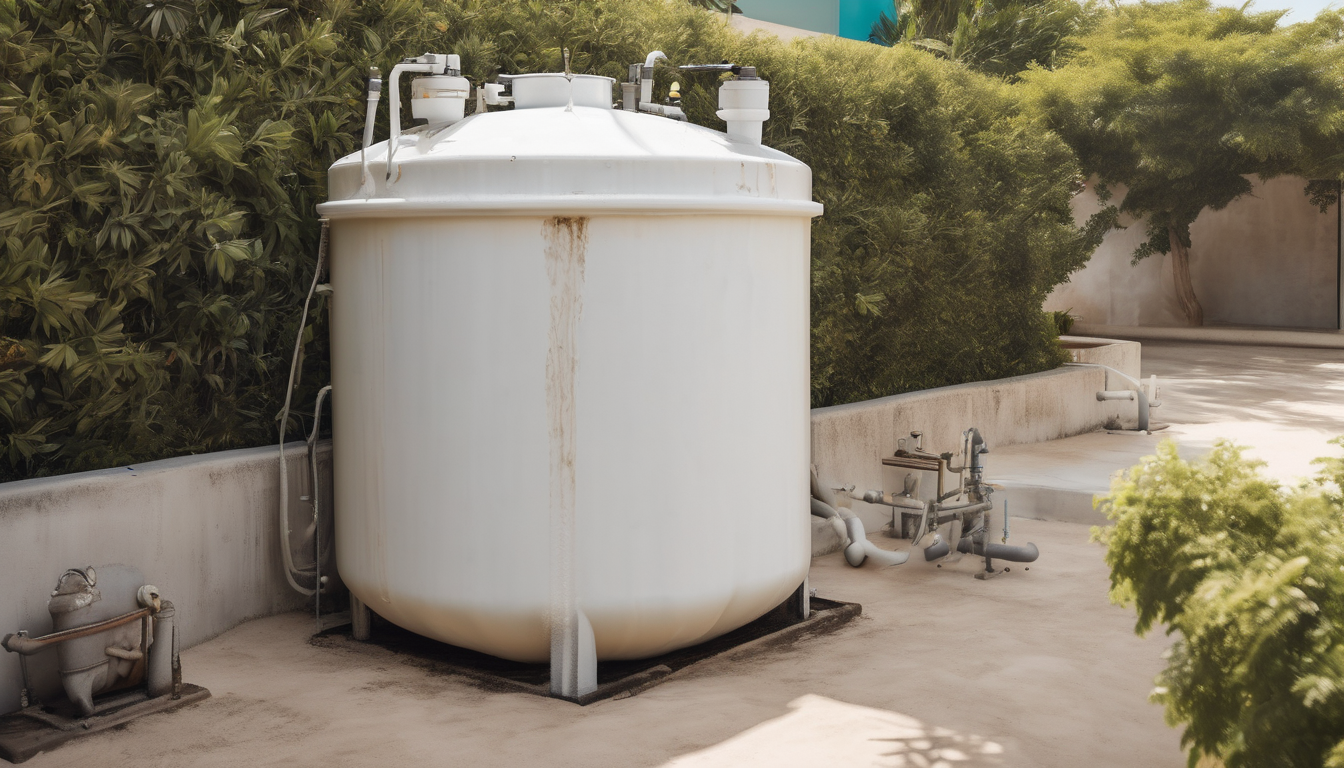
Best Practices For Post-cleaning Water Quality Assurance In – Signs of Contamination in Residential Water Tanks After Clea
Post-cleaning, it is essential to monitor the water quality regularly. Common signs of contamination include:
- Visible sediment or sludge at the bottom of the tank.
- A foul smell emanating from the water.
- Discoloration of the water, such as a brown or yellow tinge.
These symptoms indicate that residual contaminants may still be present and require further attention.
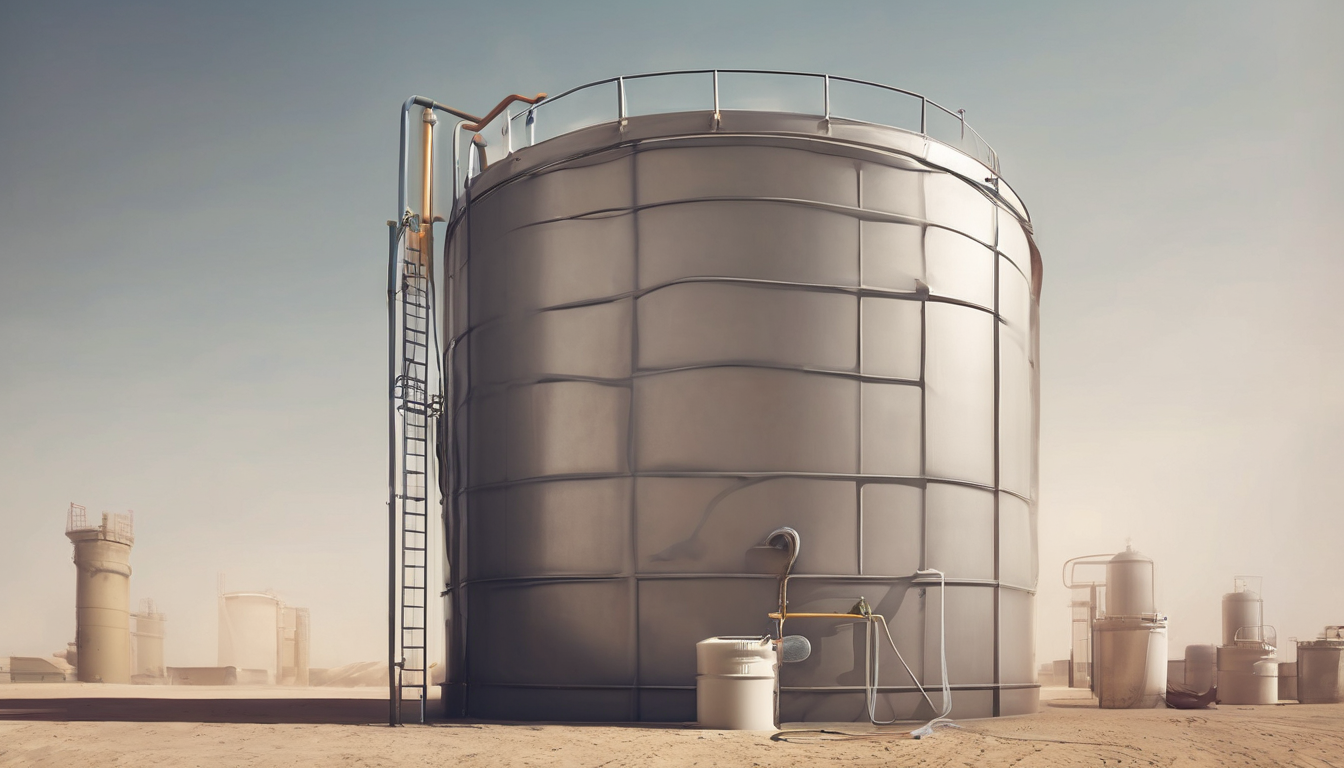
Best Practices For Post-cleaning Water Quality Assurance In – Choosing the Right Chlorine Dose for Water Tank Sanitization
The chlorine dose must be correctly measured to ensure effective disinfection. A typical range is between 1-3 parts per million (ppm), depending on tank size and water volume.
For larger tanks, a higher concentration might be necessary. Consult local regulations or professional advice to determine the appropriate dose.
Complete Drainage and Rinsing Processes After Cleaning
After cleaning, it is imperative to fully drain the tank and rinse it thoroughly before refilling with clean water. This step ensures that no chemicals or contaminants remain in the system.
Use a hose or pump to flush out any remaining debris and disinfectant.
Monitoring and Testing Post-Cleaning Tanks for Contaminants
Regular testing is crucial to verify that the water quality has improved. Use a reliable water testing kit or contact a professional service to conduct tests.
Test for parameters such as pH, chlorine residuals, and total coliform bacteria.
Safe Chemical Handling During Water Tank Cleaning and Disinfection
Handling chemicals safely is paramount. Always wear protective gear such as gloves, masks, and goggles when applying disinfectants.
Follow manufacturer instructions for proper use and disposal of chemicals.
Establishing Post-Cleaning Maintenance Schedules and Protocols
Develop a maintenance schedule based on the tank’s usage and local regulations. Typically, tanks should be cleaned every 6-12 months for residential use.
For commercial settings, cleaning might occur more frequently to maintain high standards.
Expert Tips for Maintaining Water Quality After Cleaning
- Regular Inspections: Conduct visual inspections every 6 months to check for signs of contamination or damage.
- Proper Filtration: Install a water filter system to remove impurities and improve taste and clarity.
- Professional Services: Utilize professional cleaning services to ensure thorough and compliant maintenance practices.
FAQ Section: Questions and Answers Related to Post-Cleaning Water Quality Assurance
- Q1: How often should I clean my water tank?
- A1: Tanks should be cleaned every 6-12 months, depending on usage. Consult local regulations for specific requirements.
- Q2: Can I use any disinfectant, or are there restrictions?
- A2: Use only DM-approved chemicals to ensure compliance and safety. Follow manufacturer guidelines strictly.
- Q3: How do I know if the water is safe after cleaning?
- A3: Test for pH, chlorine residuals, and bacteria levels using a reliable kit or professional service.
Conclusion: Summarizing Key Takeaways for Safe Water Storage
Maintaining the quality of water post-cleaning involves thorough drainage, proper disinfection, regular monitoring, and safe chemical handling. By following these best practices, you can ensure that your family or tenants enjoy clean, hygienic drinking water.
Remember to establish a maintenance schedule and consult professionals when needed to keep your water storage systems in top condition. Understanding Best Practices For Post-cleaning Water Quality Assurance In is key to success in this area.