


Al Joud Centre, Office 115, 15 A St, Sheikh Zayed Road, Al Quoz Ind. 1, Dubai, UAE

Edit Content

Air

    • Residential AC Cleaning
    • Corporate AC Cleaning
    • Indoor Air Quality Testing

Water

    • Water Tank Cleaning
    • Whole House Filtration
    • Water Testing

Surface

    • Pest / Termite Control
    • Hygienization Deep Cleaning
    • Mould Remediation
    • Surface Disinfection
    • Surface Testing

Concepts

    • SaniFlex
    • Pristine 
 

#trending on SaniEx

select dm-approved disinfectants for residential use - Select Dm-approved Disinfectants For Resident Guide

Select Dm-Approved Disinfectants For Residential

Table of Contents Understanding How to Select DM-Approved Disinfectants for Residential Use Compliance and Standards for Residential Use Evaluating Disinfectant Formulations Considering Application Methods Assessing Safety and Toxicity Profiles Choosing Bioremediation Options (if applicable) Reviewing Chemical Residue and Treatment Duration

Read More »
post-header

Understanding Advanced Techniques for Maintaining Water Pressure In Tall is essential. —

<br /> Advanced Techniques for Maintaining Water Pressure in Tall Residential Buildings – Guide to 10 Surprising Results<br />

Understanding Advanced Techniques for Maintaining Water Pressure in Tall Residential Buildings

Water pressure is a critical factor for ensuring comfort and functionality within tall residential buildings. In high-rise apartments, maintaining consistent water pressure can be challenging due to the increased distance from the source of supply. This article explores advanced techniques designed to address these challenges.

Advanced Techniques For Maintaining Water Pressure In Tall – Common Causes of Low Water Pressure in High-Rise Apartments

Low water pressure is often attributed to several factors, including inadequate piping systems, malfunctioning valves or pumps, and issues with the building’s water distribution network. In this section, we will identify these common causes and discuss how they can be mitigated.

Inadequate Piping Systems

Old or improperly sized pipes can restrict water flow and reduce pressure. Upgrading to modern materials like copper or stainless steel, as well as ensuring proper pipe sizing, are essential steps in addressing this issue. The importance of Advanced Techniques For Maintaining Water Pressure In Tall is evident here.

Malfunctioning Valves or Pumps

Regularly inspect valves and pumps for any signs of wear or damage. Ensuring these components operate efficiently can significantly improve water pressure throughout the building. This relates directly to Advanced Techniques For Maintaining Water Pressure In Tall.

Best Practices for Installing Pressure Boosters in Tall Buildings

Pressure boosters are a common solution for enhancing water pressure in tall residential buildings. Proper installation and maintenance of these systems are crucial to their effectiveness.

Choosing the Right Pressure Booster

Selecting an appropriate pressure booster depends on factors such as building height, flow rate requirements, and water pressure at the source. Consulting with a professional can help determine the best model for your needs.

Installation Guidelines

Proper installation ensures that the pressure booster operates efficiently without causing damage to the existing plumbing system. Follow manufacturer guidelines carefully to avoid common mistakes.

Advanced Piping Systems and Hydraulic Zones

Dividing a tall building into hydraulic zones can help distribute water more evenly, thereby maintaining consistent pressure. This approach involves segmenting the piping system based on specific floor levels or groups of apartments.

Hydraulic Zone Design

A well-designed hydraulic zone system minimizes pressure fluctuations and ensures that all areas receive sufficient water flow. Consult with a plumbing engineer to optimize your building’s layout for maximum efficiency. Understanding Advanced Techniques For Maintaining Water Pressure In Tall helps with this aspect.

Smart Water Management Systems

Modern technology can play a crucial role in maintaining optimal water pressure in tall buildings. Smart systems offer real-time monitoring, automatic adjustments, and predictive maintenance capabilities. When considering Advanced Techniques For Maintaining Water Pressure In Tall, this becomes clear.

Benefits of Smart Systems

Smart water management systems can detect issues early, reducing the likelihood of sudden drops in pressure. They also provide valuable data for analyzing trends and making informed decisions about maintenance schedules.

Regular Inspections and Maintenance Schedules

To ensure reliable water pressure, regular inspections and maintenance are essential. This includes routine checks of valves, pumps, and other critical components to identify potential issues before they become major problems.

Inspection Checklist

A comprehensive inspection checklist should include items such as checking for leaks, inspecting pressure gauges, and verifying that all equipment is functioning correctly. Scheduling these inspections at regular intervals can prevent costly repairs down the line.

Expert Tips for Advanced Pressure Maintenance

Here are some expert tips to help maintain optimal water pressure in tall residential buildings:

  • Monitor Water Usage: Regularly review water usage patterns to identify any unusual spikes or drops that could indicate a problem.
  • Test Pressure Frequently: Use a pressure gauge to test water pressure regularly, especially before and after maintenance work.
  • Implement Leak Detection: Install advanced leak detection systems to quickly pinpoint and address any leaks that may be causing pressure issues.
  • Train Maintenance Staff: Ensure that all maintenance personnel are well-trained in identifying and addressing water pressure issues.

Frequently Asked Questions About Water Pressure in Tall Buildings

  1. Q: How often should I check my building’s water pressure?

    A: It is recommended to test water pressure at least once a month, and more frequently if there are any changes in usage or if leaks are suspected. Advanced Techniques For Maintaining Water Pressure In Tall factors into this consideration.

  2. Q: Can low water pressure be fixed easily?

    A: In many cases, yes. Simple adjustments like tightening valves or replacing faulty components can resolve the issue. However, more complex problems may require professional intervention.

  3. Q: Is it expensive to maintain high water pressure in tall buildings?

    A: While there are costs associated with maintenance and upgrades, the long-term benefits of maintaining optimal water pressure can outweigh these expenses by reducing water waste and improving overall comfort for residents.

Conclusion: Ensuring Reliable Water Pressure in Tall Residential Buildings

Maintaining reliable water pressure is essential for the comfort and functionality of tall residential buildings. By understanding common causes, implementing advanced techniques, and adhering to regular maintenance schedules, building owners can ensure consistent and dependable water flow throughout their properties.
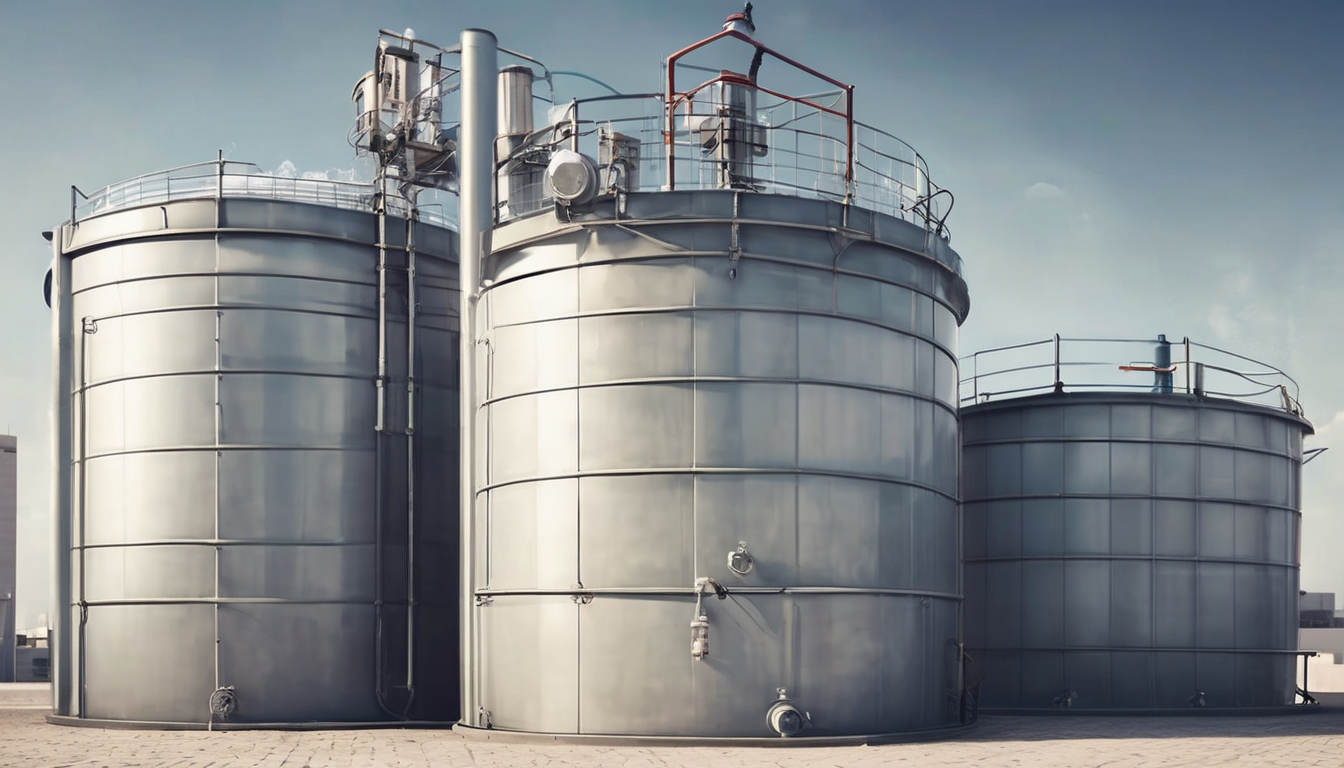
<br /> Advanced Techniques for Maintaining Water Pressure in Tall Residential Buildings – Guide to 10 Surprising Results<br />

Understanding Advanced Techniques for Maintaining Water Pressure in Tall Residential Buildings

Water pressure is a critical factor for ensuring comfort and functionality within tall residential buildings. In high-rise apartments, maintaining consistent water pressure can be challenging due to the increased distance from the source of supply. This article explores advanced techniques designed to address these challenges.

Common Causes of Low Water Pressure in High-Rise Apartments

Low water pressure is often attributed to several factors, including inadequate piping systems, malfunctioning valves or pumps, and issues with the building’s water distribution network. In this section, we will identify these common causes and discuss how they can be mitigated.

Inadequate Piping Systems

Old or improperly sized pipes can restrict water flow and reduce pressure. Upgrading to modern materials like copper or stainless steel, as well as ensuring proper pipe sizing, are essential steps in addressing this issue.

Malfunctioning Valves or Pumps

Regularly inspect valves and pumps for any signs of wear or damage. Ensuring these components operate efficiently can significantly improve water pressure throughout the building.

Best Practices for Installing Pressure Boosters in Tall Buildings

Pressure boosters are a common solution for enhancing water pressure in tall residential buildings. Proper installation and maintenance of these systems are crucial to their effectiveness.

Choosing the Right Pressure Booster

Selecting an appropriate pressure booster depends on factors such as building height, flow rate requirements, and water pressure at the source. Consulting with a professional can help determine the best model for your needs.

Installation Guidelines

Proper installation ensures that the pressure booster operates efficiently without causing damage to the existing plumbing system. Follow manufacturer guidelines carefully to avoid common mistakes.

Advanced Piping Systems and Hydraulic Zones

Dividing a tall building into hydraulic zones can help distribute water more evenly, thereby maintaining consistent pressure. This approach involves segmenting the piping system based on specific floor levels or groups of apartments.

Hydraulic Zone Design

A well-designed hydraulic zone system minimizes pressure fluctuations and ensures that all areas receive sufficient water flow. Consult with a plumbing engineer to optimize your building’s layout for maximum efficiency.

Smart Water Management Systems

Modern technology can play a crucial role in maintaining optimal water pressure in tall buildings. Smart systems offer real-time monitoring, automatic adjustments, and predictive maintenance capabilities.

Benefits of Smart Systems

Smart water management systems can detect issues early, reducing the likelihood of sudden drops in pressure. They also provide valuable data for analyzing trends and making informed decisions about maintenance schedules.

Regular Inspections and Maintenance Schedules

To ensure reliable water pressure, regular inspections and maintenance are essential. This includes routine checks of valves, pumps, and other critical components to identify potential issues before they become major problems.

Inspection Checklist

A comprehensive inspection checklist should include items such as checking for leaks, inspecting pressure gauges, and verifying that all equipment is functioning correctly. Scheduling these inspections at regular intervals can prevent costly repairs down the line.

Expert Tips for Advanced Pressure Maintenance

Here are some expert tips to help maintain optimal water pressure in tall residential buildings:

  • Monitor Water Usage: Regularly review water usage patterns to identify any unusual spikes or drops that could indicate a problem.
  • Test Pressure Frequently: Use a pressure gauge to test water pressure regularly, especially before and after maintenance work.
  • Implement Leak Detection: Install advanced leak detection systems to quickly pinpoint and address any leaks that may be causing pressure issues.
  • Train Maintenance Staff: Ensure that all maintenance personnel are well-trained in identifying and addressing water pressure issues.

Frequently Asked Questions About Water Pressure in Tall Buildings

  1. Q: How often should I check my building’s water pressure?

    A: It is recommended to test water pressure at least once a month, and more frequently if there are any changes in usage or if leaks are suspected.

  2. Q: Can low water pressure be fixed easily?

    A: In many cases, yes. Simple adjustments like tightening valves or replacing faulty components can resolve the issue. However, more complex problems may require professional intervention.

  3. Q: Is it expensive to maintain high water pressure in tall buildings?

    A: While there are costs associated with maintenance and upgrades, the long-term benefits of maintaining optimal water pressure can outweigh these expenses by reducing water waste and improving overall comfort for residents.

Conclusion: Ensuring Reliable Water Pressure in Tall Residential Buildings

Maintaining reliable water pressure is essential for the comfort and functionality of tall residential buildings. By understanding common causes, implementing advanced techniques, and adhering to regular maintenance schedules, building owners can ensure consistent and dependable water flow throughout their properties. Understanding Advanced Techniques For Maintaining Water Pressure In Tall is key to success in this area.
Previous post
Next post
Related Posts
Leave a Reply

Your email address will not be published. Required fields are marked *