







Understanding Choosing Between Biodegradable Vs Traditional Holding Tank is essential. —
Introduction
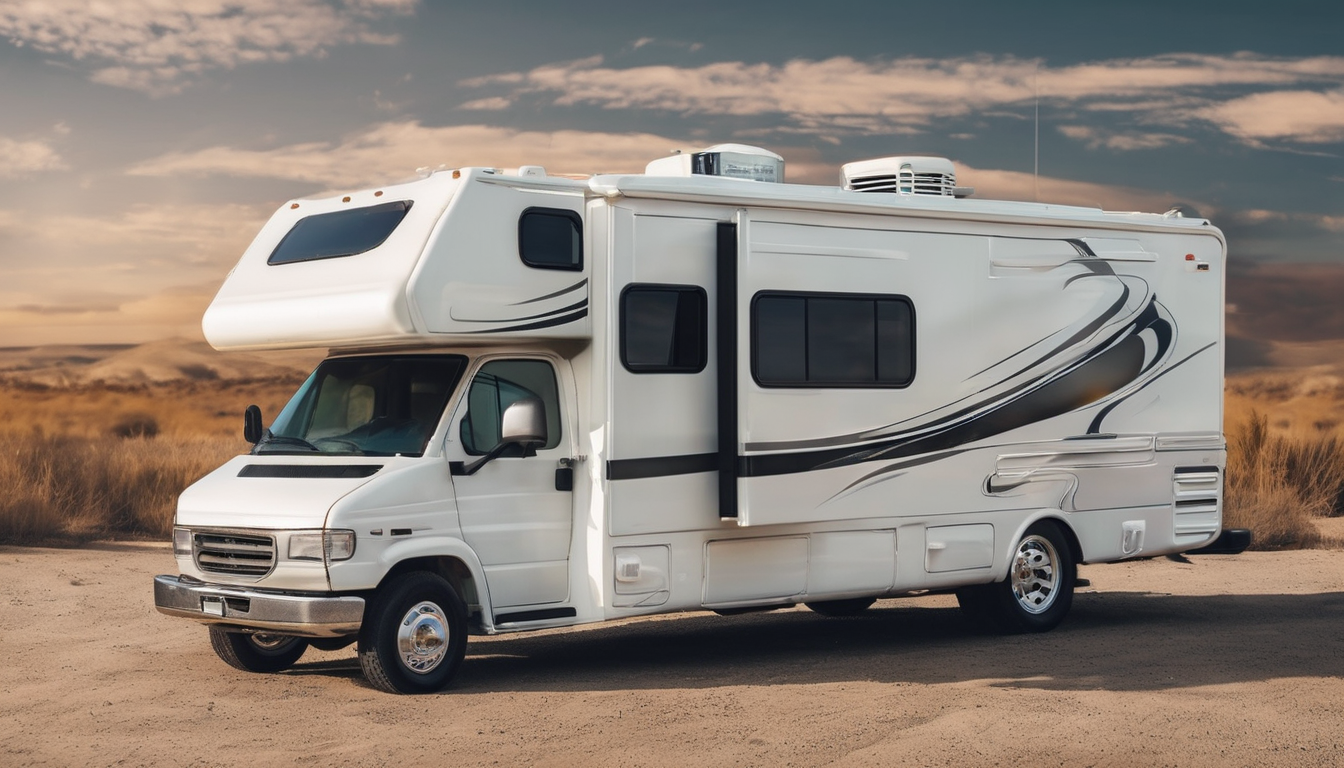
When it comes to choosing between biodegradable and traditional holding tanks for your RV, you’re not just deciding on a piece of equipment but also making a statement about your environmental values and hygiene standards. This article will explore the differences in these two types of tanks, their respective pros and cons, and provide practical advice to help you make an informed decision.
Choosing Between Biodegradable Vs Traditional Holding Tank – Understanding Biodegradable vs Traditional Holding Tank
Before delving into the comparison, it’s crucial to understand what each type of holding tank entails. A biodegradable holding tank is designed to break down organic matter naturally and safely, minimizing environmental impact. In contrast, a traditional holding tank relies on chemical treatments to manage waste and may have a higher environmental footprint.
Choosing Between Biodegradable Vs Traditional Holding Tank – Environmental Impact: Comparing Biodegradable and Traditiona
Biodegradable Holding Tank:
- Breaks down organic matter naturally without harmful chemicals
- Reduces the risk of contaminating water sources with synthetic compounds
- Can be more eco-friendly, aligning with green travel initiatives
Traditional Holding Tank:
- Dependent on chemical treatments to manage waste
- Potential for harmful chemicals leaching into soil and groundwater if not properly disposed of
- Might contribute more to environmental degradation compared to biodegradable tanks
Choosing Between Biodegradable Vs Traditional Holding Tank – Costs and Maintenance: Biodegradable vs Traditional Tanks
Biodegradable Holding Tank:
- Initial investment might be higher due to the use of environmentally friendly materials
- Maintenance involves ensuring proper ventilation and regular cleaning with biodegradable chemicals
- Long-term savings can be realized through reduced chemical costs
Traditional Holding Tank:
- Lower initial cost due to conventional materials
- Maintenance includes frequent use of chemical treatments, which can add up over time
- Potential for higher long-term costs associated with chemicals and environmental fines
Performance and Hygiene: Pros and Cons of Each Option
Biodegradable Holding Tank:
- Safeguard against bacterial growth due to natural breakdown processes
- Promotes a cleaner, healthier environment for your RV and surroundings
- Might be less effective in extremely hot climates where biodegradation slows down
Traditional Holding Tank:
- Proven track record with established chemical treatments
- Potentially more reliable for consistent performance under various conditions
- Might require frequent and intense chemical applications, posing risks to hygiene
<h2 id="rv-black-holding-tank-chemicals”>Best RV Black Holding Tank Chemicals for Both Types
No matter which type of holding tank you choose, using the right chemicals is crucial. For biodegradable tanks, look for natural ingredients like vinegar and baking soda, which are effective in maintaining hygiene without harming the environment. Traditional tanks require strong disinfectants, but it’s important to use them responsibly to avoid overuse.
Choosing the Right Option for Your RV: Tips and Recommendations
1. Evaluate your environmental values: Biodegradable tanks align with green travel principles, making them a great choice if you prioritize sustainability.
2. Consider cost factors: Traditional tanks might be more economical in the short term but could lead to higher long-term costs due to chemical usage and potential fines.
3. Evaluate your maintenance requirements: Biodegradable tanks require regular cleaning with natural products, while traditional tanks need frequent use of harsh chemicals.
4. Assess performance needs: Traditional tanks might offer more consistent hygiene, whereas biodegradable ones provide a cleaner environment.
Frequently Asked Questions (FAQ)
Q: Can I use biodegradable chemicals with traditional holding tanks?
- A: Yes, but it’s not recommended as the tank may not be designed for natural treatments. This could lead to inefficiency and potential damage.
Q: Are there any specific maintenance routines I should follow?
- A: Regular cleaning is crucial regardless of the type. Use biodegradable cleaners for biodegradable tanks and strong disinfectants for traditional ones, always following manufacturer instructions.
Q: Can I mix biodegradable and traditional chemicals?
- A: It’s not advised as this can lead to inefficacy or damage. Stick to the recommended products for each type of tank.
Conclusion
Choosing between biodegradable and traditional holding tanks is a decision that balances environmental impact, cost, hygiene, and maintenance needs. Biodegradable tanks offer a more eco-friendly option with reduced chemical use, while traditional tanks provide proven reliability but at the cost of higher chemical consumption. By considering your specific requirements and values, you can make an informed choice that best suits your RV’s needs. Understanding Choosing Between Biodegradable Vs Traditional Holding Tank is key to success in this area.