


Table of Contents
Importance of Safe Chemicals Used in Underground Water Tank Cleaning
Underground water tanks are crucial for storing potable water, and the chemicals used to clean them must be safe and effective. Safe chemicals play a vital role in ensuring that drinking water remains free from contaminants such as sediments, algae, and biofilm. The right chemical not only clears the tank but also prevents recontamination.
Common Safe Chemicals Used in Underground Water Tank Cleaning
There are several types of chemicals commonly used in underground water tank cleaning, each with its own unique benefits and application requirements. These include:
- Potassium Permanganate (KMnO4): A strong oxidizing agent that effectively removes organic matter and disinfects the tank.
- Sodium Hypochlorite (NaOCl): Widely used for its broad-spectrum disinfection properties, making it ideal for algae removal.
- Quaternary Ammonium Compounds: Effective in killing bacteria and reducing odors, but may be less effective against fungi.
- Bleach: A popular choice due to its effectiveness in breaking down organic matter and disinfecting the tank.
Choosing the Right Chemical for Your Needs
Selecting the right chemical is critical. Factors such as the type of contaminants present, the size of the tank, and the desired frequency of cleaning all influence your choice. For instance, if you have a large underground tank with heavy algae buildup, sodium hypochlorite may be more appropriate than potassium permanganate.
Compliance and Regulations in Water Tank Cleaning
Compliance with local regulations is essential. Dubai Municipality has strict guidelines for water tank cleaning, which include the types of chemicals allowed and their usage rates. Always ensure that the chemicals used meet these standards to avoid any legal issues.
Benefits of Using Safe Chemicals
The benefits of using safe chemicals extend beyond just cleanliness. They:
- Ensure compliance with health regulations.
- Reduce the risk of recontamination post-cleaning.
- Extend the lifespan of water tanks by preventing corrosion.
- Ease the overall cleaning process, making it more efficient and effective.
Best Practices for Safe Chemical Application
To maximize the benefits of safe chemicals while minimizing risks:
- Follow manufacturer instructions carefully.
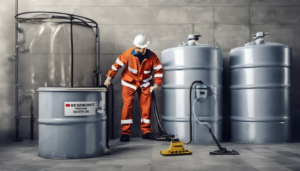
- Use personal protective equipment (PPE).
- Ensure proper ventilation during application.
- Monitor pH levels to prevent chemical reactions.
Environmental and Safety Concerns
While safe chemicals reduce the risk of contamination, they must be used responsibly. Proper disposal methods should always be followed to avoid environmental harm. Additionally, regular training for technicians ensures that safety protocols are strictly adhered to.
Expert Tips on Safe Chemical Use
- Test the tank’s pH before application.
- Use a professional water tank cleaning service for complex tanks.
- Conduct regular inspections to ensure ongoing compliance.
Frequently Asked Questions About Safe Chemicals Used in Underground Water Tank Cleaning
- Q: What is the cost for underground water tank cleaning at DH2?
- The cost of underground water tank cleaning at DH2 varies based on several factors, including tank size and location. A typical cleaning service might range from AED 1,000 to AED 5,000 depending on the complexity. For a precise quote, contact us for an assessment.
- Q: How often should underground water tanks be cleaned?
- The frequency of cleaning depends on usage and local regulations. Generally, residential tanks should be cleaned every 6 to 12 months, while commercial tanks might require more frequent maintenance. DH2 can provide a customized schedule based on your specific needs.
Conclusion
Choosing the right safe chemicals for underground water tank cleaning is crucial for maintaining clean and potable drinking water. By understanding the importance, types of chemicals available, and best practices, you can ensure that your tanks remain hygienic and compliant with local regulations.