




Introduction
Understanding Proper Ventilation Techniques To Prevent Sediment Buildup is essential. Proper ventilation techniques are crucial in preventing sediment buildup within water storage systems. This guide will delve into why proper ventilation is essential and provide detailed strategies for maintaining clean, safe drinking water. Whether you manage a residential villa or operate a commercial building, understanding these techniques can significantly improve the hygiene of your water supply.
Understanding Proper Ventilation Techniques to Prevent Sediment Buildup
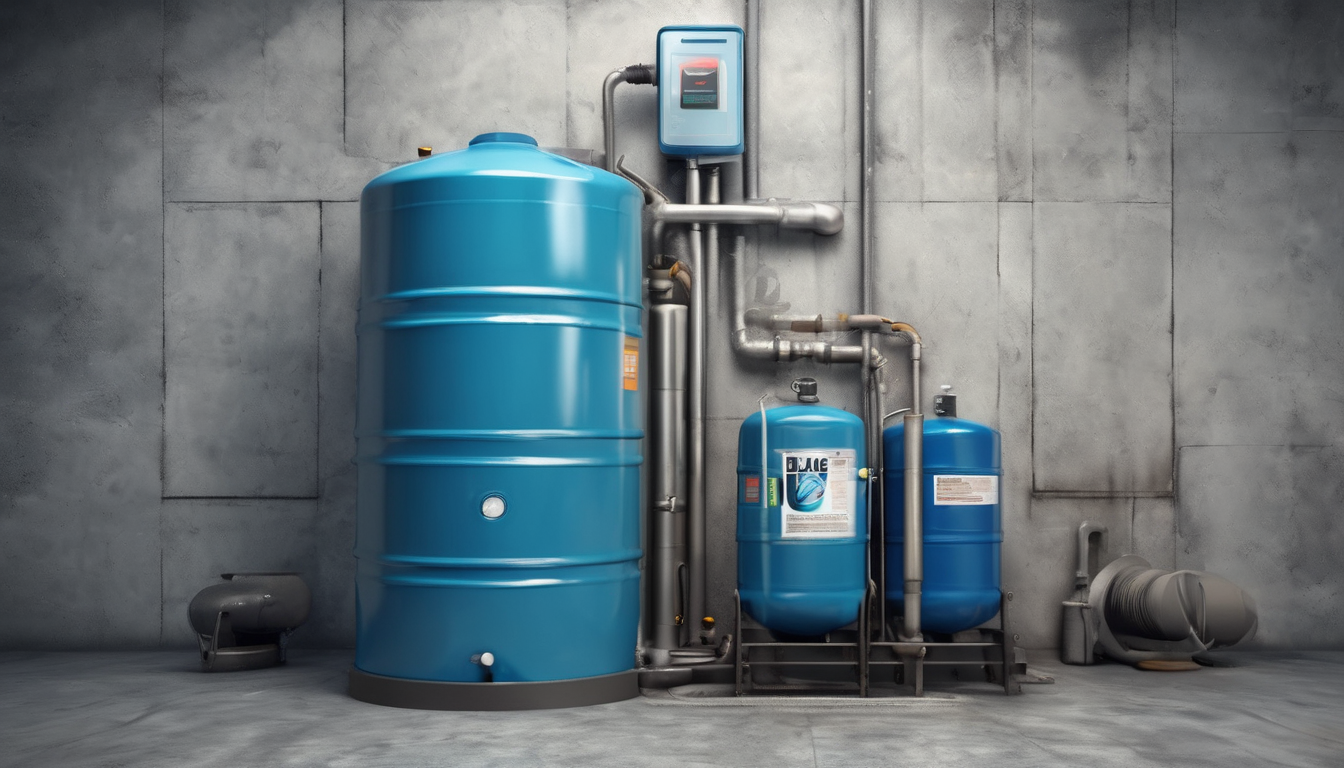
Ventilation is a critical component in the prevention of sediment buildup within water storage tanks. The primary function of a vent is to allow air to enter and exit the tank, preventing pressure imbalances that can lead to contamination.
Why Ventilation Is Important
Ventilation helps maintain a balance between atmospheric pressure inside the tank and outside. This prevents water from being drawn into the vent during filling or draining processes. Properly installed vents ensure that air flows freely, reducing the risk of stagnation, which is a primary cause of sediment buildup.
<h2 id="causes-of-sediment-buildup”>Proper Ventilation Techniques To Prevent Sediment Buildup – Causes of Sediment Buildup in Water Tanks
Understanding the causes of sediment accumulation can help you identify areas for improvement. Common reasons include poor ventilation, inadequate drainage systems, and insufficient cleaning schedules.
Poor Ventilation
A lack of adequate ventilation allows moisture to accumulate in the tank, leading to the growth of microorganisms and the formation of sediment.
Proper Ventilation Techniques To Prevent Sediment Buildup – Types of Vents for Water Tanks
There are several types of vents available for water tanks. Each has its own advantages and considerations:
- Silicone Rubber Caps: These are commonly used in residential settings due to their durability and ability to withstand high temperatures.
- Plastic Vents: Suitable for commercial applications, plastic vents are cost-effective but may not be as durable as silicone rubber caps.
- Metallic Vent Covers: Often used in industrial settings, metallic covers offer excellent durability and resistance to corrosion.
Installation and Maintenance of Vents
Proper installation is key to ensuring the effectiveness of your ventilation system. Follow these steps:
Correct Placement
Ensure that vents are installed at a height above the water level in the tank. This prevents debris from entering and clogging the vent.
Preventive Measures to Reduce Sediment Buildup
In addition to proper ventilation, there are several preventive measures that can be taken:
- Regular Cleaning Schedules: Schedule routine cleanings to remove sediment and other contaminants.
- Frequent Inspections: Conduct regular inspections to identify potential issues before they become major problems.
- Cleaning Chemicals: Use Dubai Municipality-approved disinfectants to ensure compliance with local regulations.
Examples of Successful Implementations
Here are a few examples of successful implementations of proper ventilation techniques across various types of water storage systems:
- Residential Villas: A villa owner in Dubai noticed significant improvements after installing silicone rubber caps and scheduling bi-annual cleanings.
- Apartment Buildings: An apartment complex manager reported a 30% reduction in sediment buildup after switching to metallic vent covers and implementing quarterly inspections.
Expert Tips for Venting Systems
Here are some expert tips to ensure your water storage system remains free from sediment:
- Choose the Right Vent Type: Select a vent that suits your specific needs based on environmental factors and tank type.
- Regular Cleaning: Regularly clean vents to prevent blockages and maintain airflow.
- Consult Professionals: For complex systems, consult with certified water tank experts for optimal results.
FAQ Section
Here are answers to some common questions about proper ventilation techniques:
- Q: How often should I clean my water storage tanks?
A: Schedule regular cleanings, ideally every 6-12 months or as recommended by your local health authority. - Q: What are the signs of poor ventilation in a water tank?
A: Signs include visible sediment in taps, an unpleasant odor, and a noticeable decrease in water clarity.
Conclusion
Maintaining proper ventilation techniques is essential for preventing sediment buildup in your water storage tanks. By understanding the causes, choosing the right type of vents, and implementing regular maintenance practices, you can ensure that your water supply remains clean and safe. Understanding Proper Ventilation Techniques To Prevent Sediment Buildup is key to success in this area.