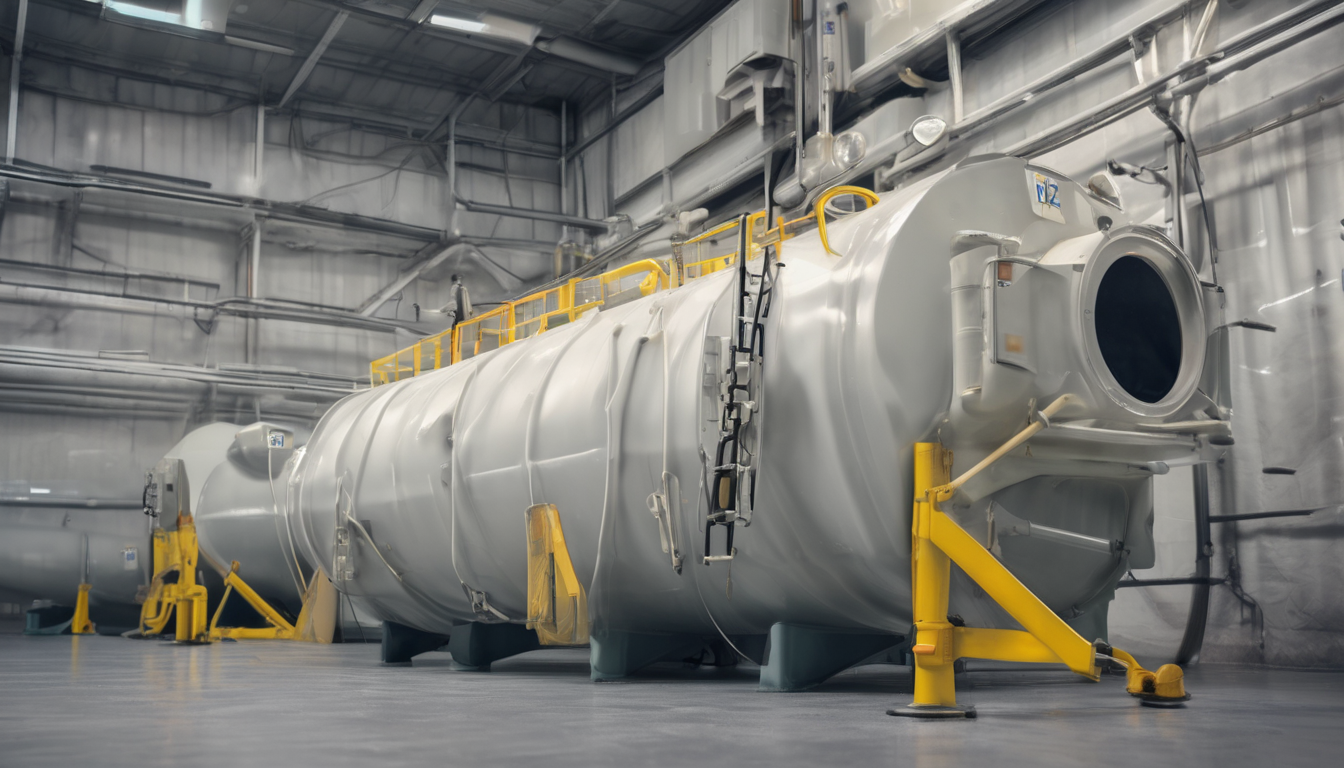


![[Preventing Biofilm Formation in Your Plastic Water Tank - Clean water tank with biofilm removal techniques]](https://sanih2o.com/wp-content/uploads/2025/12/preventing-biofilm-formation-in-your-plastic-water-tank-1767096911-300x171.png)

Understanding You Maintain A Plastic Water Tank To Extend Its Lifespan is essential. —
You Maintain A Plastic Water Tank To Extend Its Lifespan – Understanding the Maintenance Needs of Plastic Water Tanks
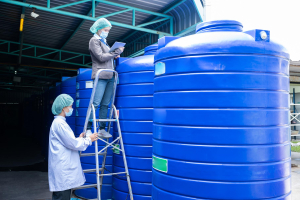
Plastic water tanks are a common choice for residential, commercial, and industrial use in Dubai due to their durability and lightweight nature. However, like any storage system, they require regular maintenance to ensure safe and clean drinking water. Regular cleaning, disinfection, and inspections can extend the lifespan of your plastic water tank significantly. This relates directly to You Maintain A Plastic Water Tank To Extend Its Lifespan.
Regular maintenance is essential because over time, plastic tanks can accumulate sediment, algae, and biofilm, leading to potential contamination and compromised water quality. This section will guide you through the key steps in maintaining a plastic water tank effectively.
You Maintain A Plastic Water Tank To Extend Its Lifespan – Cleaning and Disinfection Procedures for Plastic Water Tanks
Proper cleaning and disinfection are crucial for ensuring that your plastic water tank remains free from contaminants. Here’s how you can approach this process:
- Pre-Cleaning Inspection: Inspect the tank for any visible damage or leaks before starting the cleaning process.
- Drain and Isolate: Drain all water from the tank. Ensure it is isolated to prevent cross-contamination during the cleaning process.
- Manual and Mechanical Cleaning: Use a combination of manual scrubbing and mechanical tools to remove sediment, algae, and biofilm thoroughly.
- Apply Disinfectants: Utilize Dubai Municipality-approved disinfectants for thorough cleaning. Follow the manufacturer’s instructions carefully.
- Rinsing: After disinfection, rinse the tank with clean water to remove any residual chemicals or debris.
Regular cleaning and disinfection can help maintain safe drinking water quality and prevent long-term damage to the tank material.
You Maintain A Plastic Water Tank To Extend Its Lifespan – Inspecting for Cracks, Leaks, and Contamination
Visual inspection of your plastic water tank is crucial to identify any potential issues that could compromise water safety. Here’s how you can conduct an effective inspection:
- Crack Detection: Check the exterior of the tank for any visible cracks or damage.
- Leak Testing: Conduct a pressure test to check for leaks by filling the tank with water and observing if there are any signs of leakage over time.
- Contamination Signs: Look for any unusual odors, discoloration, or sediment buildup inside the tank. These could indicate contamination issues.
A thorough inspection helps in identifying potential problems early and prevents them from escalating into larger issues that may require more extensive repairs or replacements.
Safe Usage of Chemicals in Plastic Water Tank Cleaning
Using the right chemicals is essential for effective cleaning while ensuring safety. Here are some key points to consider:
- Selecting Approved Chemicals: Use Dubai Municipality-approved disinfectants only, as they meet stringent safety standards.
- Dilution and Application: Follow the manufacturer’s guidelines for diluting chemicals before application. Incorrect usage can lead to ineffective cleaning or damage to the tank material.
- Proper Ventilation: Ensure adequate ventilation during the cleaning process to avoid inhaling harmful fumes.
Safe chemical handling is critical in maintaining both water quality and the integrity of the plastic tank. Always wear protective gear, including gloves and a mask, when working with chemicals.
Post-Cleaning Rinsing and Refilling Procedures
Proper rinsing after cleaning ensures that all contaminants and chemicals are removed, leaving your plastic water tank clean and ready for use. Here’s what you need to do:
- Rinse Thoroughly: Rinse the tank multiple times with clean water to remove any residual disinfectants or debris.
- Drain Excess Water: Ensure all excess water is drained before refilling, minimizing the risk of overfilling and potential leaks.
- Refill Safely: Refill the tank with clean water from a reliable source. Check for any signs of contamination during the filling process.
Post-cleaning rinsing is essential to ensure that your plastic water tank is ready for use, free from contaminants and chemicals, ensuring safe drinking water for your family. When considering You Maintain A Plastic Water Tank To Extend Its Lifespan, this becomes clear.
Setting Up Preventive Maintenance Schedules
To ensure the longevity of your plastic water tank, it’s crucial to establish a regular maintenance schedule. Here are some guidelines:
- Frequency: Schedule routine cleanings every 6-12 months based on usage and local environmental conditions.
- Critical Checks: Perform visual inspections before each cleaning session to identify any potential issues early.
- Documentation: Keep detailed records of all maintenance activities, including dates and findings. This helps in tracking the tank’s performance over time.
A structured preventive maintenance schedule can help in proactively addressing issues before they become major problems, extending the lifespan of your plastic water tank.
Educating Customers on Water Tank Hygiene
Customer education is vital for maintaining proper hygiene practices around their plastic water tanks. Here’s how you can help: The importance of You Maintain A Plastic Water Tank To Extend Its Lifespan is evident here.
- Training Sessions: Conduct training sessions to educate customers about the importance of regular maintenance and cleaning.
- Informational Materials: Provide informational brochures or handouts that outline proper tank care procedures and maintenance schedules.
- Regular Reminders: Send reminders via email or SMS notifications to prompt customers for routine cleanings.
Educating your customers ensures they understand the importance of maintaining their plastic water tanks, leading to better overall hygiene practices and safer drinking water quality.
Troubleshooting Common Issues and Contaminations
Despite best efforts, issues can arise that require prompt attention. Here are some common problems and solutions:
- Foul Odors: Address foul odors by thoroughly cleaning the tank and ensuring proper ventilation during the process.
- Discoloration: Discoloration can be due to algae or biofilm. Use appropriate disinfectants and mechanical scrubbing to resolve the issue.
- Sediment Buildup: Regular cleaning helps in preventing sediment buildup, but if it occurs, schedule a thorough cleaning session.
Troubleshooting common issues promptly can prevent them from escalating into more severe problems that could affect water quality and tank integrity. Understanding You Maintain A Plastic Water Tank To Extend Its Lifespan helps with this aspect.
Best Practice Checklist for Maintaining Plastic Water Tanks
To ensure you cover all aspects of maintenance, use the following checklist:
- Inspect Tank Exterior Regularly:
- Check for Cracks or Leaks During Inspections:
- Drain and Clean the Tank Thoroughly Every 6-12 Months:
- Apply Approved Disinfectants as Recommended:
- Rinse and Refill with Clean Water:
- Document All Maintenance Activities:
- Provide Training to Customers on Proper Hygiene Practices:
A best practice checklist ensures that all maintenance steps are followed systematically, promoting safe and effective water storage.
Expert Tips and Strategies for Maintenance
Here are some additional tips from industry experts to help you maintain your plastic water tank effectively:
- Use High-Quality Cleaning Tools: Invest in high-quality brushes, scrubbers, and mechanical tools that can handle the tough job of cleaning a plastic tank.
- Consider Seasonal Cleanings: Schedule additional cleanings during periods of high heat or heavy rainfall when contaminants may accumulate more quickly.
- Regularly Monitor Water Quality: Use water quality testing kits to monitor the pH levels and any signs of contamination before cleaning becomes necessary.
By following expert tips, you can optimize your maintenance practices for maximum efficiency and effectiveness.
Frequently Asked Questions (FAQs)
Here are some common questions about maintaining plastic water tanks:
- Q: How often should I clean my plastic water tank?
- A: It’s recommended to clean your plastic water tank every 6-12 months, depending on usage and environmental conditions.
- Q: What are the signs of a contaminated plastic water tank?
- A: Signs include foul odors, discoloration, sediment buildup, or visible damage to the tank material.
- Q: Can I use any cleaning chemicals for my plastic water tank?
- A: Use only Dubai Municipality-approved disinfectants to ensure safe and effective cleaning.
You Maintain A Plastic Water Tank To Extend Its Lifespan factors into this consideration.
Frequent questions can help address common concerns, ensuring that customers have the information they need for proper maintenance.
Conclusion: Ensuring Safe Drinking Water with Regular Maintenance
Regularly maintaining your plastic water tank is essential to ensure safe and clean drinking water. By following a structured maintenance schedule, using appropriate cleaning methods, and educating customers on best practices, you can significantly extend the lifespan of your plastic water tank. This relates directly to You Maintain A Plastic Water Tank To Extend Its Lifespan.
Remember that regular inspections, proper cleaning, and disinfection are key to preventing contamination and maintaining water quality. By staying vigilant and proactive, you can protect your family’s health and ensure a reliable supply of safe drinking water in Dubai.
—
How can you maintain a plastic water tank to extend its lifespan? Here are 10 proven ways to ensure your plastic water storage system remains safe and hygienic in Dubai, Abu Dhabi, and Sharjah.
Understanding the Maintenance Needs of Plastic Water Tanks
Plastic water tanks require regular maintenance to prevent contamination, extend their lifespan, and ensure safe drinking water. Regular cleaning, disinfection, and inspections are essential steps in maintaining plastic water tanks effectively. When considering You Maintain A Plastic Water Tank To Extend Its Lifespan, this becomes clear.
Cleaning and Disinfection Procedures for Plastic Water Tanks
Proper cleaning and disinfection involve pre-cleaning inspections, draining the tank, mechanical scrubbing, applying approved chemicals, rinsing thoroughly, and refilling with clean water. Dubai Municipality-approved procedures ensure safe and effective cleaning.
Inspecting for Cracks, Leaks, and Contamination
Regular visual inspections help identify potential issues such as cracks, leaks, or contamination signs. Early detection prevents larger problems that could compromise water quality and tank integrity.
Safe Usage of Chemicals in Plastic Water Tank Cleaning
Selecting appropriate chemicals, proper dilution, application, and ventilation are crucial for safe cleaning practices. Using Dubai Municipality-approved disinfectants ensures both effectiveness and safety. The importance of You Maintain A Plastic Water Tank To Extend Its Lifespan is evident here.
Post-Cleaning Rinsing and Refilling Procedures
Proper rinsing removes all contaminants and chemicals from the tank, while refilling with clean water prepares it for use. A thorough rinse helps maintain safe drinking water quality.
Setting Up Preventive Maintenance Schedules
A structured maintenance schedule ensures regular cleaning every 6-12 months based on usage and local conditions. Documentation of all activities enhances tracking and accountability.
Educating Customers on Water Tank Hygiene
Education plays a vital role in maintaining proper hygiene practices around plastic water tanks. Training sessions, informational materials, and regular reminders promote better care habits among users. Understanding You Maintain A Plastic Water Tank To Extend Its Lifespan helps with this aspect.
Troubleshooting Common Issues and Contaminations
Troubleshoot common issues like foul odors, discoloration, or sediment buildup by addressing them promptly. Effective resolution prevents further damage to the tank material and water quality.
Best Practice Checklist for Maintaining Plastic Water Tanks
A best practice checklist includes regular inspections, proper cleaning and disinfection methods, documentation of activities, and customer education on hygiene practices. Systematic approach ensures comprehensive care.
Expert Tips and Strategies for Maintenance
Follow expert advice such as using high-quality tools, considering seasonal cleanings, and monitoring water quality to optimize maintenance routines. These strategies enhance the efficiency of cleaning processes. You Maintain A Plastic Water Tank To Extend Its Lifespan factors into this consideration.
Frequently Asked Questions (FAQs)
Address common questions about plastic water tank maintenance, such as frequency of cleanings, signs of contamination, and safe chemical usage to provide comprehensive guidance.
Conclusion: Ensuring Safe Drinking Water with Regular Maintenance
Regularly maintaining your plastic water tank is crucial for protecting family health. By following a structured maintenance plan, you can extend the lifespan of your tank and ensure reliable access to clean drinking water in Dubai.
—
How can you maintain a plastic water tank to extend its lifespan in Dubai, Abu Dhabi, and Sharjah? Follow these 10 proven methods for cleaning, disinfection, inspections, and other essential steps to ensure safe drinking water.
—
tags: plastic water tanks, maintenance, hygiene, cleaning, disinfection, inspections, Dubai, Abu Dhabi, Sharjah
alt_text: “How can you maintain a plastic water tank to extend its lifespan? – Clean plastic water tank with technician in protective gear.”
![[Preventing Biofilm Formation in Your Plastic Water Tank - Clean water tank with biofilm removal techniques]](https://sanih2o.com/wp-content/uploads/2025/12/preventing-biofilm-formation-in-your-plastic-water-tank-1767096911.png)