



Understanding Ensuring Continuous Safety: Maintenance Tips for Lake Water
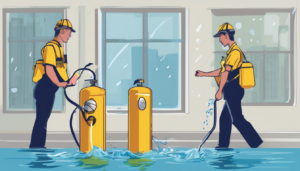
Understanding Ensuring Continuous Safety: Maintenance Tips For Lake Water is essential. Ensuring continuous safety when using lake water is crucial. Whether you’re a homeowner with a private lake or part of a community relying on a shared water source, understanding the importance of regular maintenance can help prevent health risks and ensure access to clean drinking water.
Ensuring Continuous Safety: Maintenance Tips For Lake Water – Choosing the Right Filtration System for Lake Water
When it comes to ensuring continuous safety in lake water, choosing the right filtration system is critical. Factors like the size of your lake, flow rate, and specific contaminants present will influence which system is best suited.
Considering Your Lake Size
Larger lakes may require more robust systems to handle higher volumes of water. Small lakes can use simpler setups, but both need regular maintenance to remain effective.
Common Contaminants in Lake Water and How to Remove Them
Lake water is susceptible to various contaminants that can pose health risks. Familiarizing yourself with these common issues will help you select the appropriate filtration system.
Bacteria and Viruses
Bacterial and viral contamination in lake water are significant concerns, leading to gastrointestinal issues if consumed. Filtration systems that employ UV light or chemical disinfection can effectively remove these pathogens.
Algae
Algal blooms can produce harmful toxins called microcystins. A multi-stage filtration process, including reverse osmosis and activated carbon filters, is effective in removing algae and their toxins.
Step-by-Step Guide to Installing a Lake Water Filter
Installing a lake water filter requires careful planning. Follow these steps to ensure a successful installation:
1. Assess Your Needs and Select the Right System
Determine the volume of water you need to treat, the specific contaminants present, and any local regulations.
2. Install the Filtration System Correctly
Follow manufacturer instructions for installing the system. Ensure all components are correctly positioned, including pre-filters, carbon filters, and UV light units if applicable.
3. Perform Initial Testing and Calibration
Test the system to ensure it is functioning as expected. Calibrate settings for optimal performance based on water quality tests.
Maintenance Tips for Lake Water Filters and Systems
Maintaining your lake water filtration system ensures its longevity and effectiveness. Here are some key tips:
1. Regularly Change Filter Media
Replace filters according to the manufacturer’s recommendations, typically every 6 months to a year.
2. Clean and Inspect System Components
Regularly clean all system components and inspect for any signs of wear or damage. This includes checking UV bulbs, replacing worn-out parts, and ensuring proper water flow.
Expert Tips for Maintaining Safe Drinking Water from Lakes
Expert advice can significantly impact the safety of your lake water. Here are some key tips:
1. Establish a Regular Inspection Schedule
Schedule regular inspections to monitor water quality and system performance. This helps identify any issues early, ensuring continuous safety.
2. Use Tested and Approved Disinfection Methods
Employ methods such as UV light or chemical disinfection that have been proven effective in removing harmful contaminants from lake water.
3. Train Personnel on Proper Operation and Maintenance
Ensure all users understand how to operate the system correctly and perform necessary maintenance tasks. This reduces the risk of operational errors that could compromise safety.
FAQ About Ensuring Continuous Safety: Maintenance Tips for Lake Water
Here are answers to some frequently asked questions about maintaining safe drinking water from lakes:
Q. How often should I test the water quality?
A. Test your lake water at least once a month, or more frequently if you notice any changes in taste, odor, or appearance.
Q. Can a single filtration system take care of all contaminants?
A. A combination of different filters and disinfection methods is often necessary to address multiple types of contaminants effectively.
Q. What are the signs that I need to replace a filter?
A. Look for reduced flow, decreased effectiveness, or visible wear and tear on the filters. Replace them based on manufacturer guidelines.
Conclusion
Ensuring continuous safety in lake water is essential to protect your health and that of your family. By understanding the common contaminants, choosing the right filtration system, and following maintenance tips, you can enjoy clean and safe drinking water from your lakeside retreat or community. Understanding Ensuring Continuous Safety: Maintenance Tips For Lake Water is key to success in this area.