

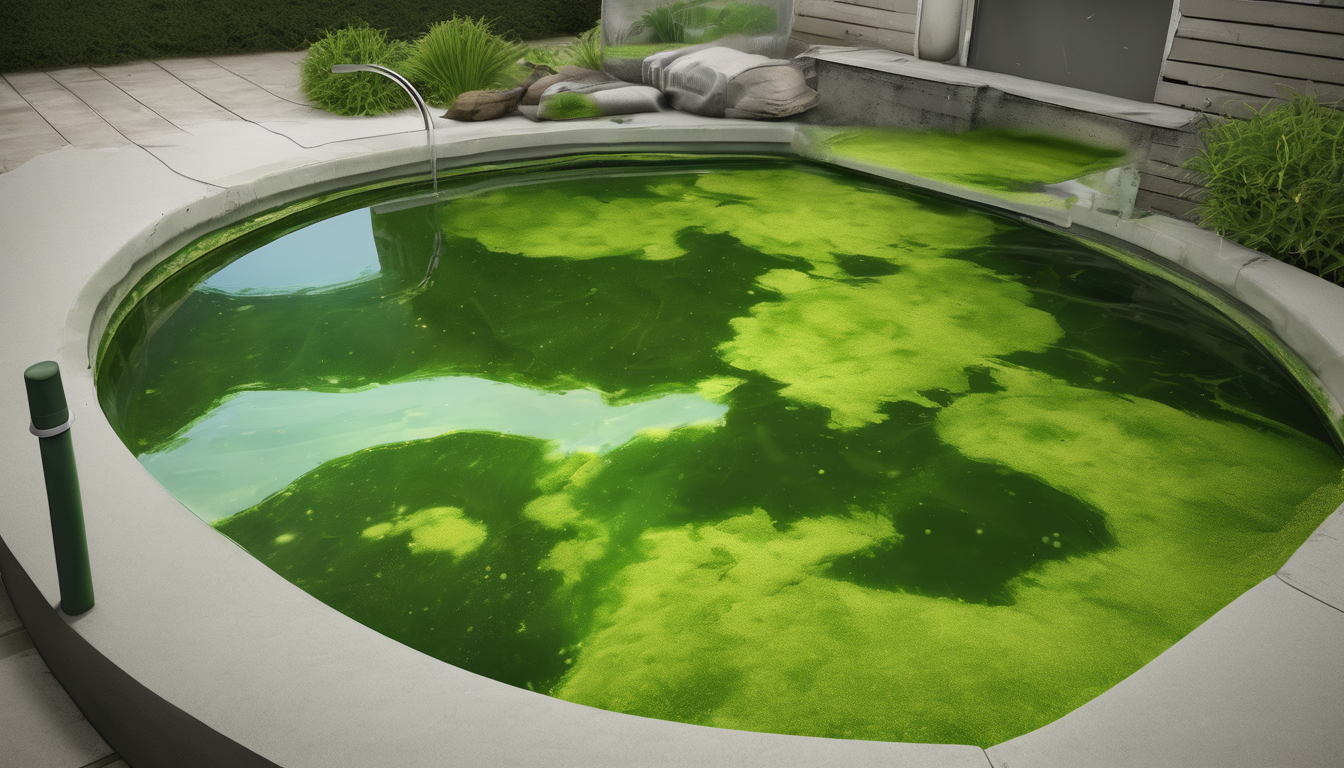

Understanding Effective Algae Removal Techniques for Water Tanks
Water tank algae growth can lead to unpleasant odors, discoloration of water, and even biofilm formation. Algae thrive in warm temperatures and low flow conditions, making them a common problem in the UAE’s climate. Proper removal techniques are essential to maintain clean drinking water. This relates directly to Effective Algae Removal Techniques For Water Tanks.
Algal Growth in Water Tanks
Algae can grow on the interior surfaces of water tanks due to the presence of nutrients and lack of proper circulation. Once established, algae can produce biofilms that house bacteria and other microorganisms, posing potential health risks.
Effective Algae Removal Techniques For Water Tanks – The Role of Algae in Water Quality
Algal growth not only affects water aesthetics but also its quality. Biofilms created by algae can harbor pathogenic organisms like Legionella, leading to increased risk of waterborne illnesses. Regular cleaning and disinfection are crucial for maintaining potable water standards.
Legionella Risk and Prevention
Legionella bacteria thrive in stagnant water conditions, making regular tank maintenance essential. Proper cleaning removes organic matter that could serve as a breeding ground for Legionella, ensuring safe drinking water.
Effective Algae Removal Techniques For Water Tanks – Effective Algae Removal Methods
Several methods can effectively remove algae from water tanks, including mechanical scrubbing, chemical disinfection, and UV light treatment. Each method has its advantages and is suitable for different tank types and conditions.
Mechanical Scrubbing
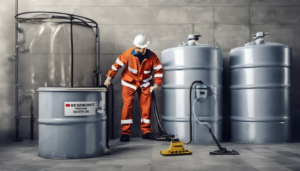
Mechanical scrubbing involves physically removing algae using brushes or scrapers. This method is effective but can be labor-intensive, especially in larger tanks.
Chemical Disinfection
Chemical disinfection uses biocides to kill algae and other microorganisms. Chlorine-based solutions are commonly used due to their effectiveness and cost-effectiveness.
Choosing the Right Algae Removal Product for Your Water Tank
Selecting the right product is crucial for effective algae removal. Products must be approved by local authorities like Dubai Municipality to ensure compliance with hygiene standards.
DM-Approved Disinfectants
Dubai Municipality (DM) requires the use of specific disinfectants that meet their stringent standards for water safety. Products such as SaniH2O and Saniservice are commonly used and proven effective. When considering Effective Algae Removal Techniques For Water Tanks, this becomes clear.
Best Chlorine Dosing Rates for Water Tank Disinfection
The appropriate chlorine dosing rate depends on the tank volume, water quality, and algae growth. Typically, a concentration of 1-5 mg/L is effective for algae control.
Monitoring and Testing Algae Control Effectiveness
Regular monitoring and testing are essential to ensure that algae removal methods are working effectively. Water samples should be tested for residual chlorine levels, pH, and any signs of biofilm formation.
Comparing Natural vs Chemical Water Tank Cleaners in Dubai
Natural cleaners like vinegar or baking soda are less harsh but may not be as effective as chemical solutions. For critical water systems, chemical disinfectants offer better results and faster action.
Environmental Impact and Sustainability
While natural cleaners have a lower environmental impact, they require more frequent applications to achieve the same level of effectiveness as chemical products. Balancing efficacy with sustainability is key in water tank cleaning practices.
Expert Tips for Effective Algae Removal
1. Preventive Maintenance: Regular inspections and cleanings can prevent algae growth.
2. Proper Circulation: Ensure proper circulation to reduce stagnant water conditions.
3. Tank Insulation: Insulate tanks in warm climates to slow down algae growth.
4. Regular Testing: Conduct regular water quality tests to detect early signs of contamination.
5. Professional Help: Consider hiring professionals for thorough cleanings and disinfections.
FAQ: Frequently Asked Questions
1. Q: How often should I clean my water tank?
A: Residential tanks should be cleaned every 6-12 months, while commercial tanks may require more frequent service.
2. Q: Can natural cleaners completely remove algae?
A: While effective in small amounts, natural cleaners are not always sufficient for heavy algae growth and may need to be combined with chemical treatments.
3. Q: Is professional cleaning necessary?
A: For critical water systems or tanks with significant algae buildup, professional cleaning is highly recommended.
Conclusion
Effective removal of algae from water tanks ensures clean and safe drinking water. By understanding the different methods available and choosing the right products, property owners can maintain healthy water storage systems. Understanding Effective Algae Removal Techniques For Water Tanks is key to success in this area.