







Chlorine Dosing Techniques for Tank Disinfection
Understanding Chlorine Dosing Techniques For Tank Disinfection is essential. Regularly maintaining the quality of your drinking water is crucial, especially when dealing with large storage tanks. Chlorine dosing techniques are one of the most effective methods to achieve this goal. By understanding how and why to use chlorine, you can ensure that your family’s water remains clean and safe.
Chlorine Dosing Techniques For Tank Disinfection – Identifying Proper Chlorine Dosing Techniques
Before diving into the specifics of chlorine dosing, it’s important to recognize why this method is essential. Chlorine effectively kills bacteria and algae, but the key lies in its proper application. Overdosing or underdosing can lead to ineffective results or potential health risks. This relates directly to Chlorine Dosing Techniques For Tank Disinfection.
Understanding Chlorine
Chlorine, a strong oxidizing agent, is widely used due to its ability to eliminate microorganisms that could contaminate the water. It works by breaking down cellular structures of pathogens, rendering them inactive. The challenge lies in determining the right concentration and duration for effective disinfection without causing harm.
Chlorine Dosing Techniques For Tank Disinfection: Choosing the Right Chlorine
Not all chlorine products are created equal. Some commonly used types include sodium hypochlorite, calcium hypochlorite, and liquid chlorine. Each has its own set of properties that make it suitable for different applications. For residential use in tanks, sodium hypochlorite is often the preferred choice due to its stability and ease of handling.
Calculating Chlorine Dosage
The first step in effective chlorine dosing is calculating the appropriate dosage. This involves several factors such as tank volume, water temperature, pH level, and desired residual concentration. A general rule of thumb is to aim for a free chlorine residual between 0.2 ppm (parts per million) and 1.0 ppm.
For instance, if you have a 5,000-liter tank, you would need to calculate the amount of sodium hypochlorite required to achieve this residual level based on its concentration.
Implementing Chlorine Dosing
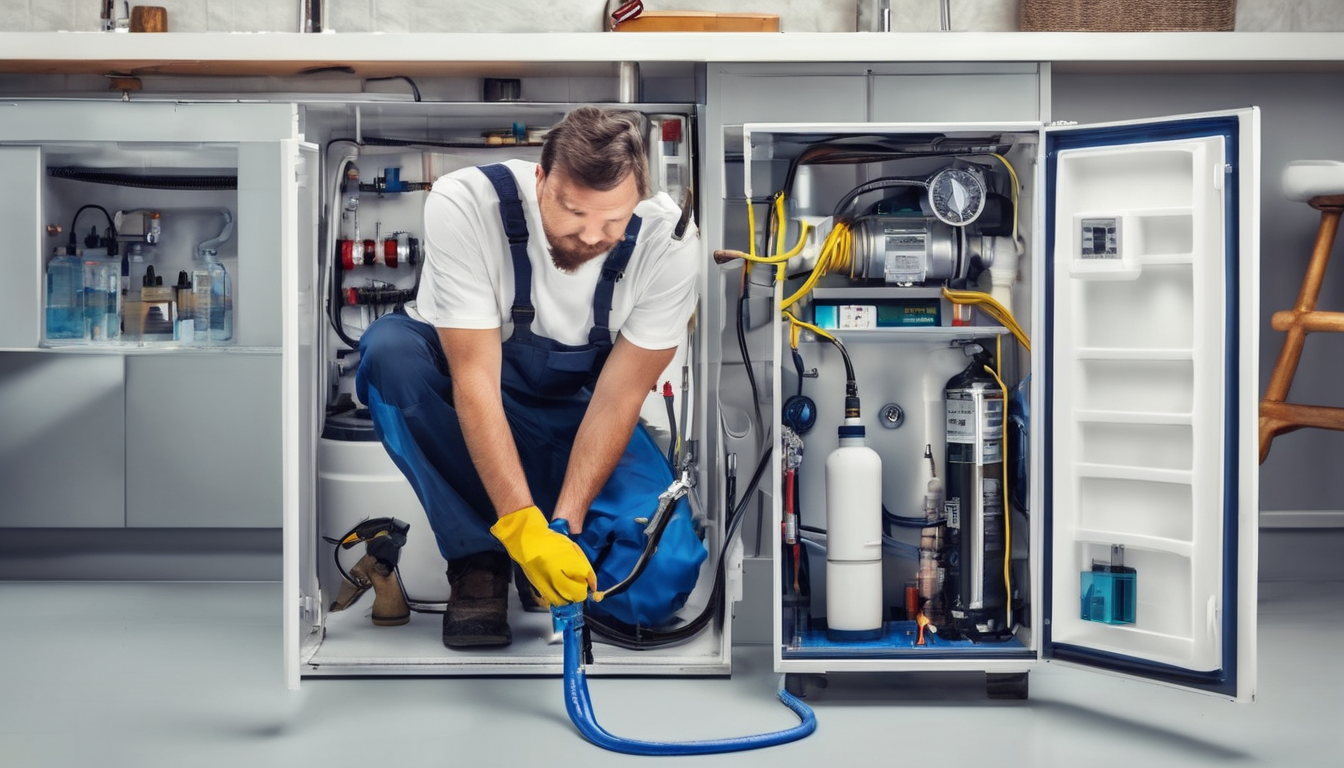
Once you’ve determined the correct dosage, it’s time to implement the dosing process. This typically involves diluting the chlorine solution and adding it directly into the tank.
- Dilution: Mix a small amount of chlorine with water before adding it to the larger volume in the tank. This prevents shock dosing and ensures even distribution.
- Addition: Carefully add the diluted solution into the tank, ensuring that it mixes well throughout the water column. Stirring can be done manually or using a pump for better results.
Monitoring Chlorine Residuals
A crucial step in chlorine dosing is monitoring the residual levels to ensure they remain within safe and effective ranges. This can typically be done using test strips or electronic monitors designed for water quality testing.
Regular checks are essential, especially after initial dosing and before any new water enters the tank. Adjustments may be necessary based on these readings to maintain optimal disinfection levels. When considering Chlorine Dosing Techniques For Tank Disinfection, this becomes clear.
Scheduling Chlorine Dosing
To prevent algae and bacterial growth, it’s recommended to schedule regular chlorine dosing sessions. The frequency depends on the specific conditions of your water tank:
- Residential Tanks: Every 3-6 months for smaller tanks; every 6-12 months for larger ones.
- Commercial Tanks: Monthly or bi-monthly depending on usage and size.
Common Challenges and Solutions
While chlorine dosing is highly effective, there are a few common challenges that may arise. These include:
- Poor Mixing: Ensure thorough mixing to avoid hot spots where bacteria can survive.
- Temperature Variations: Higher temperatures can reduce the effectiveness of chlorine; adjust dosing accordingly.
Expert Tips for Chlorine Dosing
To maximize the benefits and minimize potential drawbacks, consider these expert tips:
- Consistent Monitoring: Regularly test chlorine residuals to ensure they stay within safe limits.
- Proper Equipment: Use calibrated dosing equipment to maintain accuracy in measurements.
- Avoid Overdosing: Excessive chlorine can be harmful; stick to recommended levels.
FAQ on Chlorine Dosing
Here are some frequently asked questions about chlorine dosing for tank disinfection:
- Q: Can I use any type of chlorine for my water tank?
- A: It’s best to use sodium hypochlorite, which is widely available and suitable for residential tanks.
- Q: How often should I test the residual chlorine levels?
- A: Test at least once a week or as per local regulations, adjusting your dosing schedule based on these readings.
- Q: Is chlorine harmful to my health if used correctly?
- A: Properly applied chlorine is safe and effective; however, excessive exposure can be harmful. Always follow recommended guidelines.
Conclusion
Chlorine dosing techniques offer a reliable way to maintain the safety of your drinking water. By understanding the proper methods and regularly implementing them, you can keep your family’s water supply clean and hygienic. Remember, regular maintenance and consistent monitoring are key to ensuring long-term effectiveness.