



Understanding Manual Cleaning Techniques for Removing Sediment
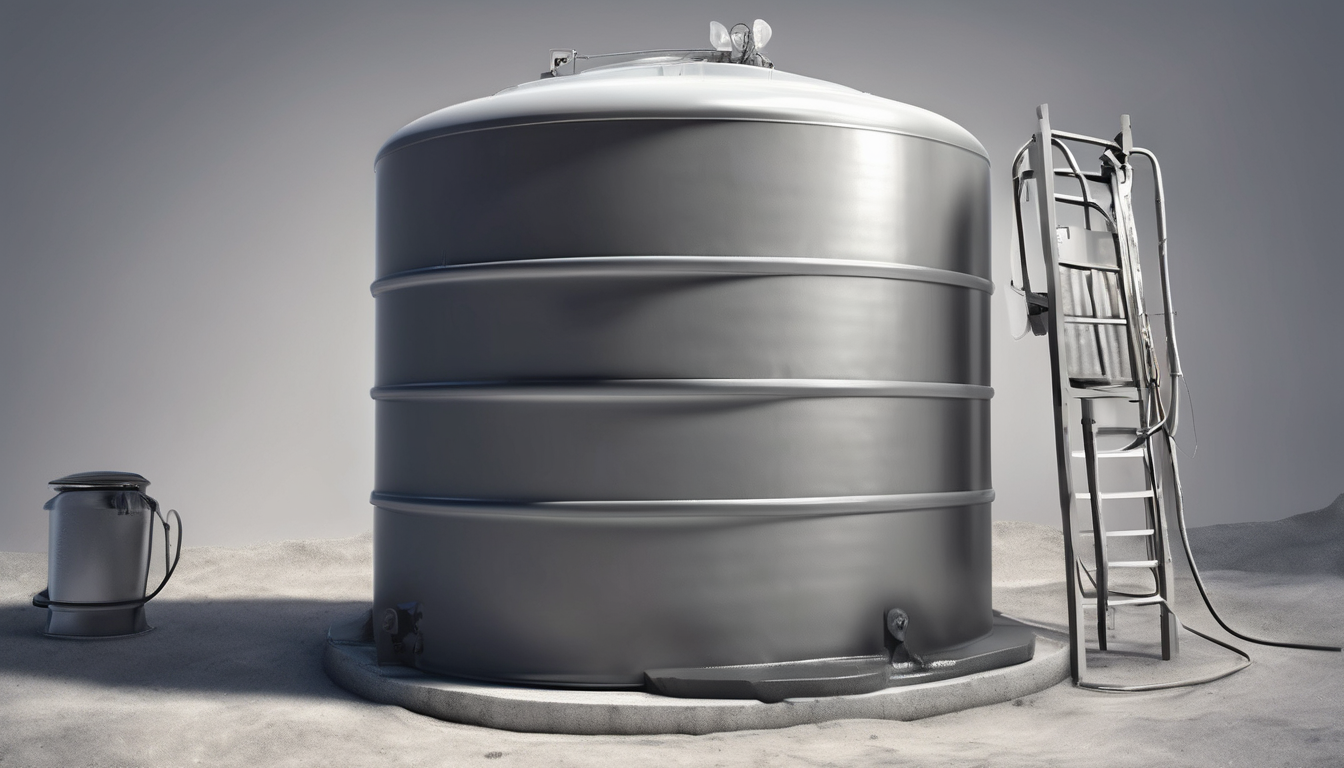
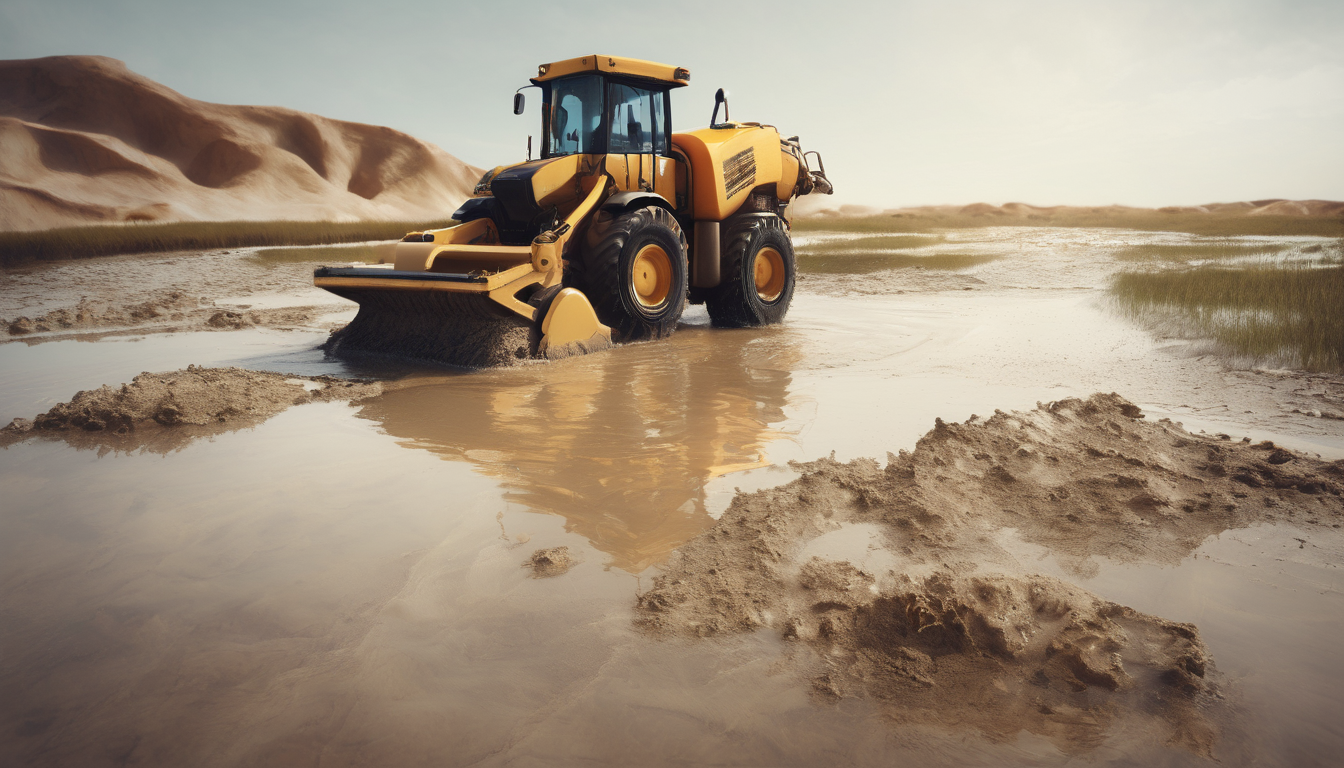
Manual cleaning is an essential process to remove sediment from water tanks. Sediment can be composed of rust particles, sludge, and other debris that accumulate over time, leading to poor water quality and potential health issues. This section outlines the importance of regular manual cleaning in maintaining the hygiene and functionality of overhead water tanks.
The Impact of Sediment on Water Quality
Sediment can significantly affect the taste, odor, and clarity of stored water. It can also harbor harmful bacteria and lead to discolored water. Regular manual cleaning is crucial to prevent these issues.
Preparing for Manual Cleaning
Before starting the manual cleaning process, it’s important to ensure safety and compliance with local regulations. This includes isolating the tank from the rest of the plumbing system, ensuring proper ventilation, and wearing appropriate protective gear such as gloves and a mask.
Step-by-Step Manual Cleaning Process
1. Drain the Tank: Start by draining the tank to remove any accumulated sediment at the bottom.
2. Inspect the Tank: Visually inspect the inside of the tank for signs of rust, cracks, and other damage that may require repair.
3. Remove Sediment: Use a long-handled brush or scraper to manually remove visible sediment from the walls and base of the tank.
4. Rinse Thoroughly: Rinse the tank with clean water to flush out any remaining debris.
Safe Chemicals for Dissolving Sludge in Overhead Tanks
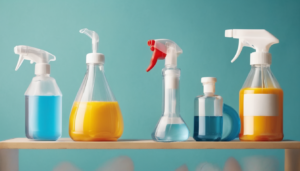
Using safe, DM-approved chemicals can enhance the effectiveness of manual cleaning. It is crucial to follow manufacturer instructions and local regulations when using these products to ensure safety and compliance.
Preventive Maintenance to Avoid Future Sediment Issues
Implementing preventive maintenance measures can significantly reduce the need for frequent manual cleaning. This includes regular inspection of the tank, proper water treatment, and ensuring that the tank is properly sealed to prevent contamination.
Expert Tips for Manual Cleaning
1. Choose the Right Time: Conduct manual cleaning during periods when the water usage in your property is low.
2. Maintain Proper Equipment: Use high-quality brushes and scrapers that are designed for the task to avoid damaging the tank surface.
3. Follow Local Regulations: Ensure all activities comply with Dubai Municipality guidelines to maintain legal compliance.
Frequently Asked Questions
1. Q: How often should I clean my water tank?
A: Regular cleaning is recommended every 6 months to a year, depending on usage and local conditions.
2. Q: Can I use harsh chemicals during manual cleaning?
A: It’s best to stick to DM-approved disinfectants to avoid damaging the tank or affecting water quality.
3. Q: What should I do if sediment removal is difficult?
A: Consider professional services for heavy-duty cleaning or repair of the tank. Understanding Manual Cleaning Techniques For Removing Sediment is key to success in this area.
Read more: Preventive Maintenance To Avoid Future Sediment Issues
Conclusion
Regular manual cleaning of water tanks and techniques for removing sediment is essential for maintaining a safe and healthy supply of drinking water in Dubai, UAE. By following these guidelines and expert tips, property owners can ensure that their overhead water tanks remain clean and hygienic, providing peace of mind to families and occupants.