




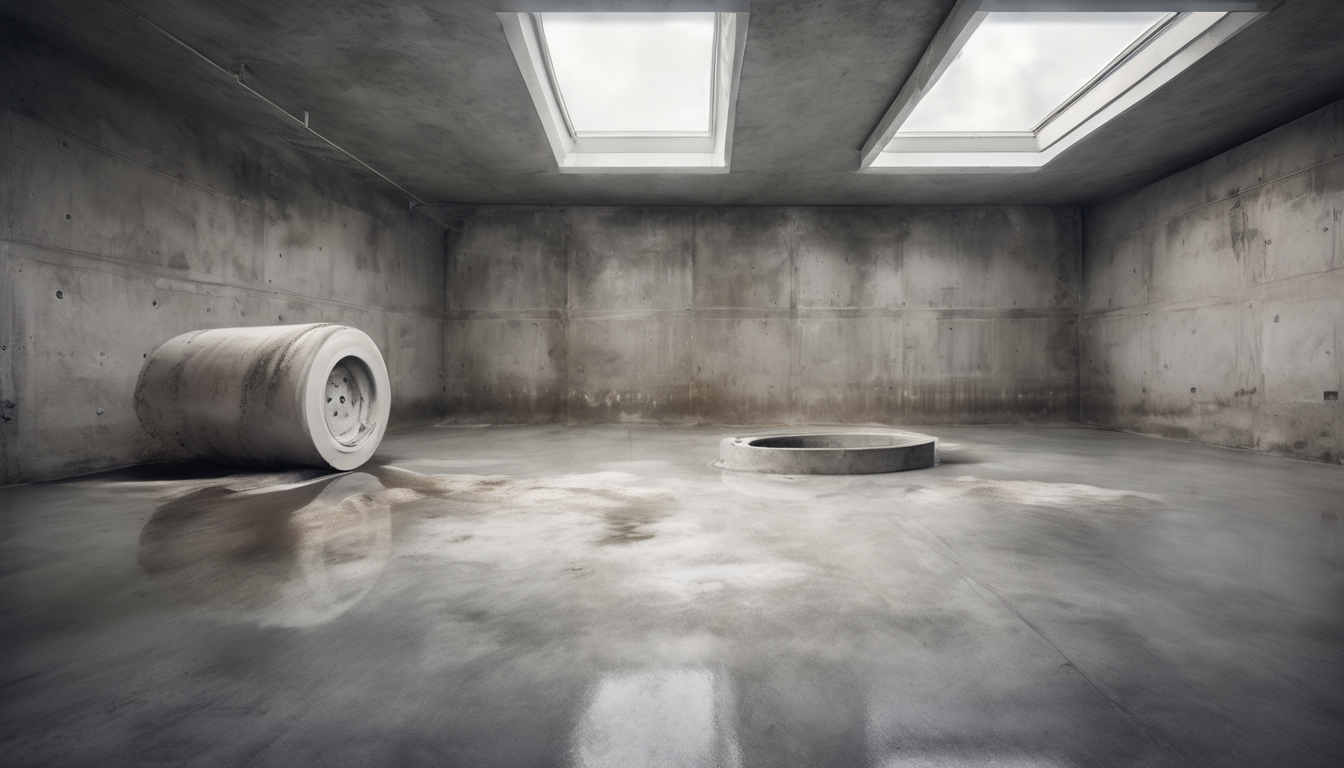

Understanding Salt Buildup in Concrete Tanks
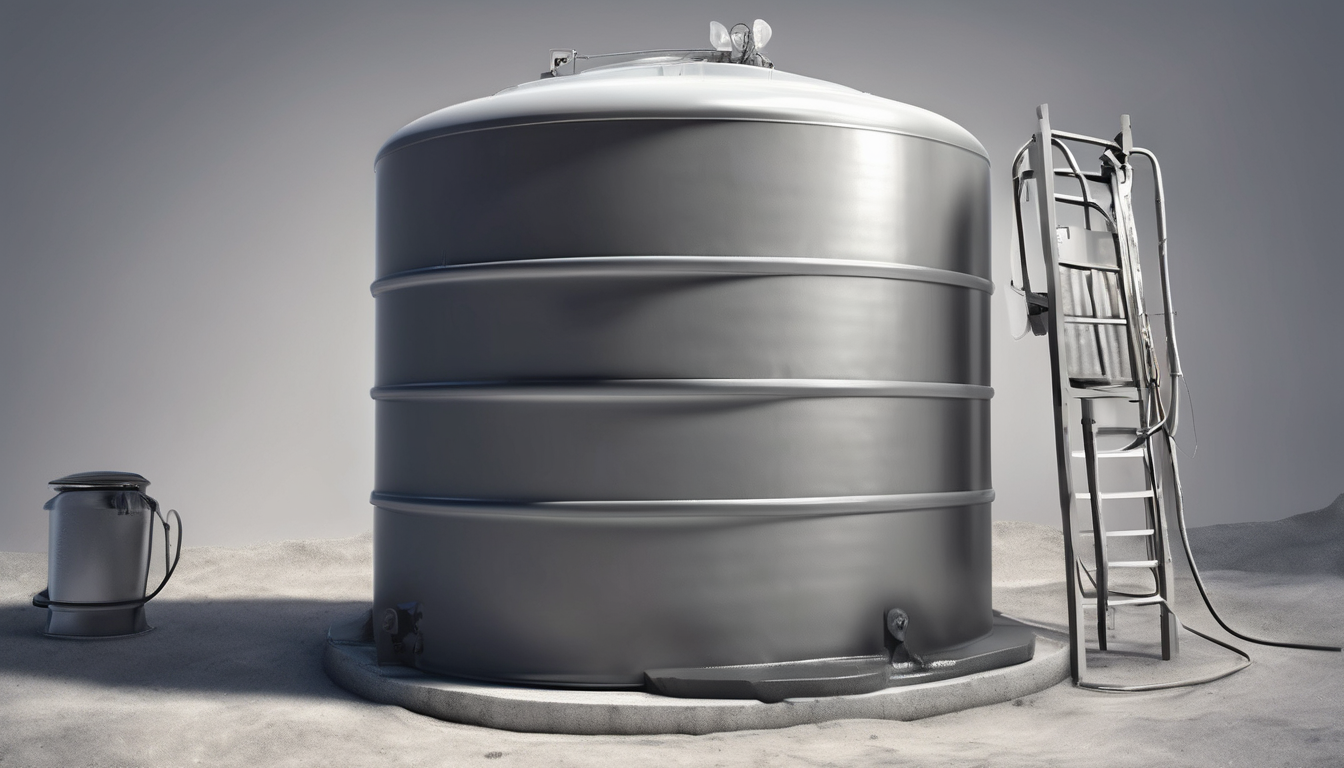
Concrete tanks are commonly used for storing water, especially in areas where water softeners are prevalent. These tanks can accumulate salt residues over time due to the natural process of descaling and the chemicals used in water softening systems. This buildup can lead to several issues, including poor water quality, reduced tank lifespan, and potential health risks. This relates directly to Safe Cleaning Methods For Concrete Tanks With Salt Buildup.
Salt residue can alter the taste and smell of water, making it unpalatable for daily use. Additionally, high salt content can corrode metal components within the tank, leading to leaks and further contamination. It is crucial to address this issue promptly using safe cleaning methods to maintain the integrity of your water storage system.
The Importance of Safe Cleaning Methods
Safe cleaning methods are essential for maintaining the hygiene and longevity of concrete tanks, especially those with salt residue. Regular cleaning ensures that any contaminants are removed without causing damage or introducing new hazards. Proper cleaning also helps in preventing issues such as water contamination, bacterial growth, and mineral deposits.
Using safe cleaning methods is not just a maintenance task but an investment in your family’s health and the overall functionality of your water storage system. This article will guide you through the process of safely cleaning concrete tanks with salt buildup to ensure they remain clean and hygienic.
Step-by-Step Guide to Safe Cleaning
1. Pre-Cleaning Assessment: Before starting any cleaning, conduct a thorough inspection of the tank for cracks or leaks. Use a flashlight to check the interior surfaces and note any areas that may need extra attention.
2. Drain and Isolate the Tank: Disconnect the water supply and drain all remaining water from the tank. Ensure the tank is completely empty before proceeding with cleaning. When considering Safe Cleaning Methods For Concrete Tanks With Salt Buildup, this becomes clear.
3. Pre-Wetting the Interior: Pour a small amount of pH-neutral cleaner into the tank to wet the interior surfaces. This helps in loosening any salt residue and making it easier to remove during the next step.
4. Mechanical Cleaning: Use a soft-bristled brush or a pressure washer set on low pressure to clean the interior walls, bottom, and corners of the tank. Avoid using harsh chemicals that could damage the concrete.
5. Rinsing and Neutralization: Rinse the tank thoroughly with clean water to remove all traces of cleaner and salt residue. This step is crucial to ensure no harmful residues remain in the tank.
6. Disinfection and Chlorination (Optional): For added safety, you can apply a safe disinfectant or chlorine solution according to Dubai Municipality guidelines. Follow the manufacturer’s instructions carefully.
7. Final Inspection and Refilling: Inspect the tank for any remaining debris or residue. Once satisfied, refill the tank with clean water and monitor its performance over time. The importance of Safe Cleaning Methods For Concrete Tanks With Salt Buildup is evident here.
Materials and Tools Needed for Cleaning
– pH-neutral cleaner
– Soft-bristled brush
– Pressure washer (low pressure setting)
– Rags or sponge
– Safety gear (gloves, mask, protective clothing)
– pH test strips
– Safe disinfectant or chlorine solution
Ensure you have all necessary materials before starting the cleaning process. This will help in completing the task efficiently and effectively.
Professional Treatment of Salt Residue
For tanks that have significant salt buildup, it may be advisable to engage professional water tank cleaning services. These experts are equipped with advanced tools and techniques to handle challenging cases safely and comprehensively. Professional treatment ensures the tank is thoroughly cleaned without causing damage.
Preventing Future Buildup of Salt Residue
To prevent future salt buildup, consider the following measures:
– Regularly check your water softener system to ensure it is functioning correctly.
– Monitor the quality of incoming water and adjust the softening process as needed.
– Schedule routine cleaning at least once a year or more frequently if necessary. Understanding Safe Cleaning Methods For Concrete Tanks With Salt Buildup helps with this aspect.
Implementing these preventive measures can significantly reduce the risk of salt residue accumulation, ensuring that your concrete tank remains in optimal condition.
Expert Tips
1. Choose pH-neutral cleaners to avoid damaging the concrete surface.
2. Wear protective gear during cleaning to minimize exposure to harsh chemicals and debris.
3. Check pH levels regularly using test strips after cleaning to ensure proper neutralization.
4. Use low-pressure settings when cleaning with a pressure washer to prevent scratching or damage to the tank walls.
5. Schedule routine inspections to catch issues early and maintain water quality.
These tips will help you navigate the process of cleaning concrete tanks effectively and safely, ensuring long-term hygiene and functionality.
Frequently Asked Questions (FAQ)
1. Can salt residue from a water softener affect my tank’s lifespan?
Yes, excessive salt buildup can weaken the structure of your concrete tank over time. Regular cleaning is essential to prevent such issues.
2. Is it safe to use harsh chemicals in concrete tanks?
No, harsh chemicals can damage the concrete and introduce harmful residues. Always use pH-neutral cleaners for safety.
3. How often should I clean my concrete tank?
Schedule routine cleaning at least once a year or more frequently if you notice salt buildup or poor water quality.
Conclusion
Safe cleaning methods are crucial for maintaining the hygiene and integrity of your concrete tanks, especially when dealing with salt residue from water softeners. By following this step-by-step guide, using appropriate materials, and implementing preventive measures, you can ensure that your tank remains clean and safe for use. Understanding Safe Cleaning Methods For Concrete Tanks With Salt Buildup is key to success in this area.