



Understanding Grp & Plastic Water Tanks: Benefits And Drawbacks is essential. —
Understanding GRP & Plastic Water Tanks: Benefits and Drawbacks
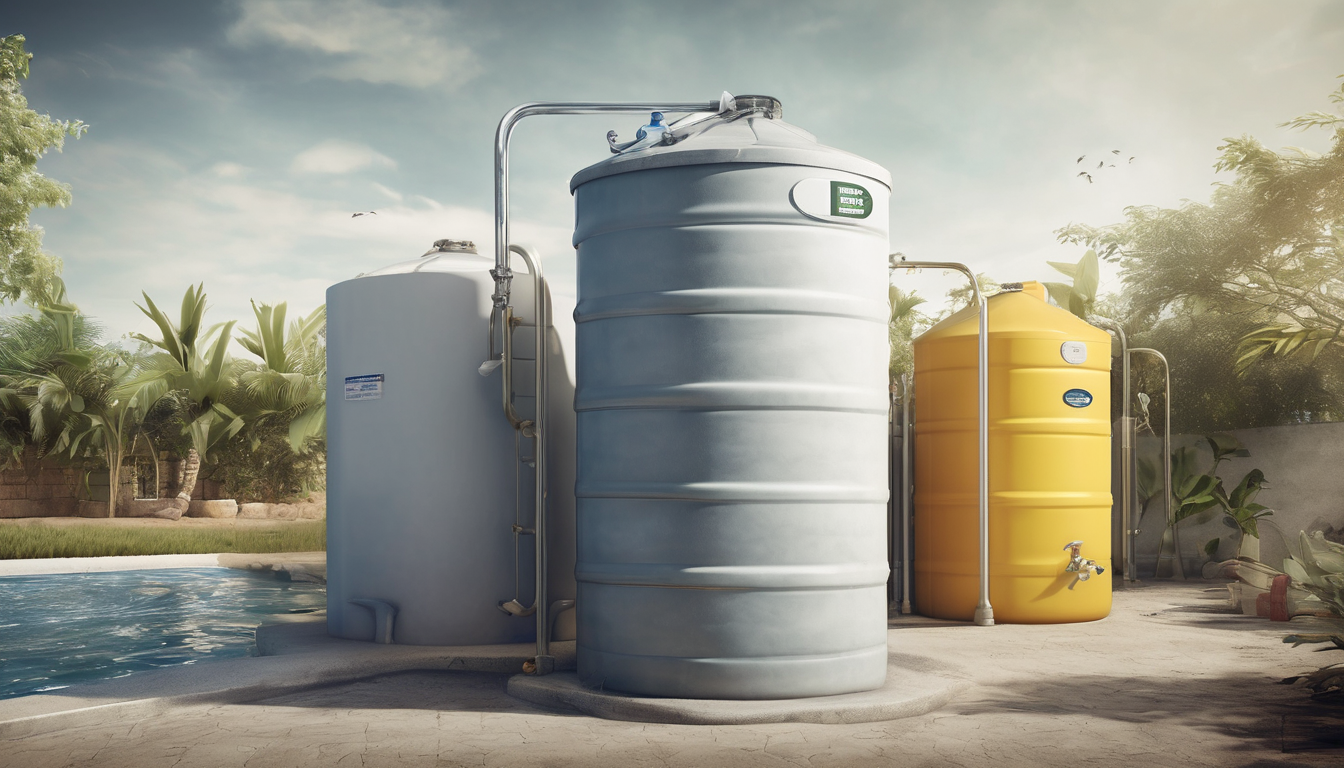
GRP (Glass Reinforced Polyester) and plastic water tanks are popular choices for residential and commercial use due to their durability and low maintenance requirements. This guide will explore the benefits and drawbacks of both types, helping you make an informed decision about which tank is best for your home or property in Dubai, Abu Dhabi, and Sharjah.
—
—
Grp & Plastic Water Tanks: Benefits And Drawbacks – Advantages of GRP and Plastic Tanks
GRP and plastic water tanks offer several advantages over other types, making them a popular choice for many homes and properties.
- Corrosion Resistance: Both GRP and plastic are highly resistant to rust and corrosion, ensuring a longer lifespan in areas prone to harsh weather conditions like Dubai.
- Lightweight: These materials are much lighter than concrete or metal, making them easier to transport and install without requiring extensive structural support.
- Aesthetic Appeal: GRP tanks can be easily painted to match the surrounding environment, while plastic tanks often come in a variety of colors and finishes.
- Eco-Friendly Materials: GRP and certain types of plastic are recyclable, making them more sustainable options compared to traditional materials like concrete or metal.
—
<h2 id="disadvantages-of-grp-and-plastic-tanks”>Disadvantages of GRP and Plastic Tanks
No matter how good they are, both GRP and plastic tanks have their drawbacks. Understanding these can help you make a better-informed decision about which type is right for your property.
- UV Degradation: Over time, exposure to ultraviolet (UV) light can weaken the polymer bonds in GRP and cause plastic tanks to degrade faster than expected. Regular maintenance can help mitigate this issue.
- Temperature Sensitivity: Both materials have a lower temperature tolerance compared to concrete, which can affect their performance during extreme heat or cold spells.
- Chemical Compatibility: Certain chemicals and solvents can react with GRP and plastic tanks, potentially leading to contamination of the water. Proper selection is crucial for safe use.
- Cost: While initial installation costs are relatively low, repairs and replacement over time may be more frequent than with concrete tanks, increasing overall expenses.
—
Comparison with Concrete Tanks
To help you decide between GRP or plastic tanks and traditional concrete options, let’s compare their key features:
| Feature | GRP & Plastic Tanks | Concrete Tanks |
|---|---|---|
| Durability | High resistance to corrosion but may degrade over time with UV exposure. | Excellent durability, long-lasting and less prone to degradation due to weather conditions. |
| Maintenance | Low maintenance required; regular cleaning is recommended. | Higher initial maintenance requirements for repairs and sealing against cracks or leaks. |
| Aesthetic Appearance | Easily paintable and available in various colors and finishes. | Concrete finish may require painting but offers a uniform appearance without the need for additional coloration. |
| Environmental Impact | Recyclable materials, more eco-friendly in certain contexts. | Bulkier and heavier to transport, less environmentally friendly than GRP or plastic tanks. |
—
Maintenance and Lifespan
The lifespan of GRP and plastic water tanks can vary depending on their quality and environmental conditions. Regular maintenance is crucial to ensure they perform optimally:
- Regular Inspections: Conduct periodic inspections for signs of wear, cracks, or leaks.
- Water Quality Monitoring: Test water periodically for contaminants and adjust disinfection schedules accordingly.
- Scheduled Cleaning: Perform professional cleaning every 3-5 years to prevent sediment buildup and maintain water quality.
The expected lifespan of GRP tanks can range from 10-20 years, while plastic tanks may last up to 25 years with proper care. Concrete tanks can last significantly longer, often over 40 years with minimal maintenance.
—
Cost Considerations
While GRP and plastic tanks offer initial cost benefits, it’s important to consider the total cost of ownership:
- Initial Costs: Lower installation costs due to lighter weight and ease of transport.
- Maintenance Costs: Higher potential for frequent repairs and replacements over time compared to concrete tanks.
- Water Quality Management: Regular disinfection and cleaning may add to ongoing expenses, though this can vary based on water quality.
—
Environmental Impact
When considering the environmental impact of GRP and plastic tanks, several factors come into play:
- Material Recyclability: GRP is recyclable and can be reused in certain applications. Plastic tanks made from recycled materials are becoming increasingly common.
- Energy Consumption: The production process for both materials requires significant energy, but their lightweight nature reduces transportation emissions.
- Waste Management: Proper disposal of GRP and plastic tanks is crucial to minimize environmental impact. Recycling programs can help manage waste effectively.
—
Expert Tips for Selection
Selecting the right type of water tank involves careful consideration of your specific needs and circumstances:
- Evaluate Local Regulations: Check local building codes and regulations regarding water storage tanks to ensure compliance.
- Consider Water Quality: If your area experiences frequent water quality issues, a tank that is easier to clean may be beneficial.
- Assess Environmental Factors: In areas with high UV exposure or extreme temperatures, GRP and plastic tanks are more suitable.
- Evaluate Cost-Benefit Analysis: Compare the initial installation costs with expected maintenance and replacement expenses over time.
—
Frequently Asked Questions (FAQs)
- Q: Are GRP & plastic tanks suitable for all climates?
- A: While they are generally good in moderate climates, GRP and plastic tanks may not be ideal for extremely hot or cold regions due to temperature sensitivity.
- Q: How often should I clean my GRP or plastic tank?
- A: It’s recommended to perform a thorough cleaning every 3-5 years to prevent sediment buildup and maintain water quality.
- Q: Can I paint my GRP tank any color I want?
- A: Yes, you can paint GRP tanks in various colors. However, ensure that the paint used is suitable for outdoor use to protect against UV damage.
This relates directly to Grp & Plastic Water Tanks: Benefits And Drawbacks.
—
For more information, visit this resource.
Conclusion
Choosing between GRP and plastic water tanks involves weighing their benefits and drawbacks carefully. For many homes and properties in Dubai, Abu Dhabi, and Sharjah, these tanks offer a practical solution due to their low maintenance requirements and corrosion resistance. However, regular maintenance is crucial to ensure optimal performance and longevity.
Contact certified professionals like Saniservice for expert advice on selecting the right tank for your home or property in Dubai, Abu Dhabi, Sharjah, and beyond.
—
—
Tags
GRP & Plastic Water Tanks, Benefits and Drawbacks, Water Tank Selection, Dubai Water Tanks, Abu Dhabi Water Tanks, Sharjah Water Tanks, Home Water Storage Solutions
— Understanding Grp & Plastic Water Tanks: Benefits And Drawbacks is key to success in this area.