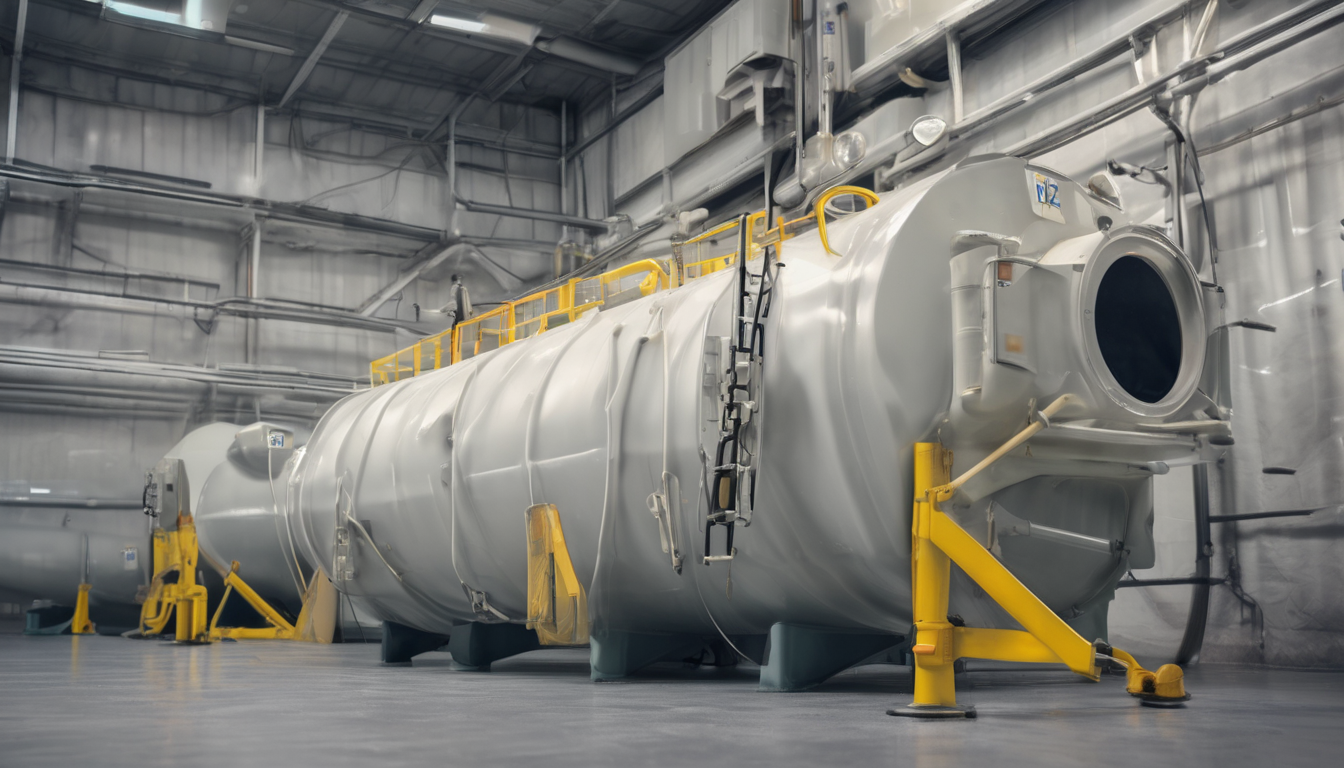


![[Preventing Biofilm Formation in Your Plastic Water Tank - Clean water tank with biofilm removal techniques]](https://sanih2o.com/wp-content/uploads/2025/12/preventing-biofilm-formation-in-your-plastic-water-tank-1767096911-300x171.png)

Common Contaminants in Plastic Water Tanks And How To – How to Prevent Common Contaminants in Plastic Water Tanks
To maintain a safe and hygienic water supply, it is crucial to implement proactive measures that prevent contamination. Here are some essential steps you can take: This relates directly to Common Contaminants in Plastic Water Tanks And How To.
Regular Cleaning
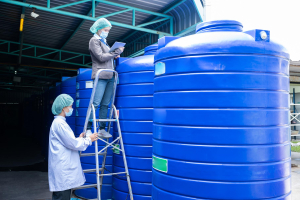
Regular cleaning of plastic water tanks is critical in removing biofilm, sludge, and other contaminants. Use Dubai Municipality–approved chemicals for thorough disinfection to ensure the water stored remains clean.
Proper Tank Ventilation
A well-ventilated tank reduces humidity levels inside the container, which is essential in preventing algae growth and other biological contamination. Ensure that vents are unobstructed and placed at a height to avoid dust accumulation.
—CONTENT—
Common Contaminants in Plastic Water Tanks And How To – Common Contaminants in Plastic Water Tanks
Let’s delve deeper into the specific contaminants commonly found in plastic water tanks:
Biological Growth
- Bacteria: Such as Pseudomonas and Legionella, which can thrive in warm, stagnant water.
- Algae: Often visible as green or brown growth inside the tank. They contribute to poor water quality and odors.
- Fungi: Commonly found near vents or areas with high humidity, causing discoloration of the tank walls.
—CONTENT—
Common Contaminants in Plastic Water Tanks And How To – Chemical Leaching from Plastic Tanks
Plastic tanks can release harmful chemicals such as:
- Bisphenol A (BPA): Known to disrupt hormones and has been linked to various health issues.
- Dichlorophenols: Byproducts of chlorination that may cause skin irritation and respiratory problems.
—CONTENT—
Maintaining Hygiene in Plastic Water Tanks
To ensure the water stored remains clean, follow these hygiene practices:
- Use Sanitary Chemicals: Employ Dubai Municipality–approved disinfectants to kill harmful bacteria and algae.
- Rinse Thoroughly: After cleaning, rinse the tank several times with clean water to remove all traces of chemicals.
- Check for Leaks Regularly: Inspect the tank for any cracks or leaks that could allow contaminants in or out.
—CONTENT—
Practical Tips for Maintaining Plastic Water Tanks
Here are some expert tips to help you maintain the hygiene and longevity of your plastic water tank:
- Choose Quality Chemicals: Use only Dubai Municipality–approved disinfectants to ensure safety and effectiveness.
- Regular Inspections: Schedule annual inspections by a certified professional to identify any issues early.
- Proper Storage: Keep the tank in a cool, dry place away from direct sunlight to reduce chemical leaching.
—CONTENT—
FAQ: Common Contaminants in Plastic Water Tanks
- Q: How often should I clean my plastic water tank?
- A: It is recommended to clean your plastic water tank at least once a year, or more frequently if you notice any issues.
- Q: Can contaminated water harm my family’s health?
- A: Yes, consuming contaminated water can lead to various health problems, including gastrointestinal issues and skin irritation. Regular cleaning and disinfection are essential.
- Q: What signs should I look for that indicate a problem with my plastic water tank?
- A: Look out for discoloration, foul odors, sediment in the water, or visible biological growth inside the tank. Any of these could be indicators of contamination.
—CONTENT—
Conclusion
By understanding and addressing Common Contaminants in plastic water tanks, you can significantly improve the safety and quality of your drinking water. Regular cleaning, proper maintenance practices, and using approved disinfectants are key to maintaining a healthy and hygienic water storage system. Understanding Common Contaminants in Plastic Water Tanks And How To is key to success in this area.
![[Preventing Biofilm Formation in Your Plastic Water Tank - Clean water tank with biofilm removal techniques]](https://sanih2o.com/wp-content/uploads/2025/12/preventing-biofilm-formation-in-your-plastic-water-tank-1767096911.png)