

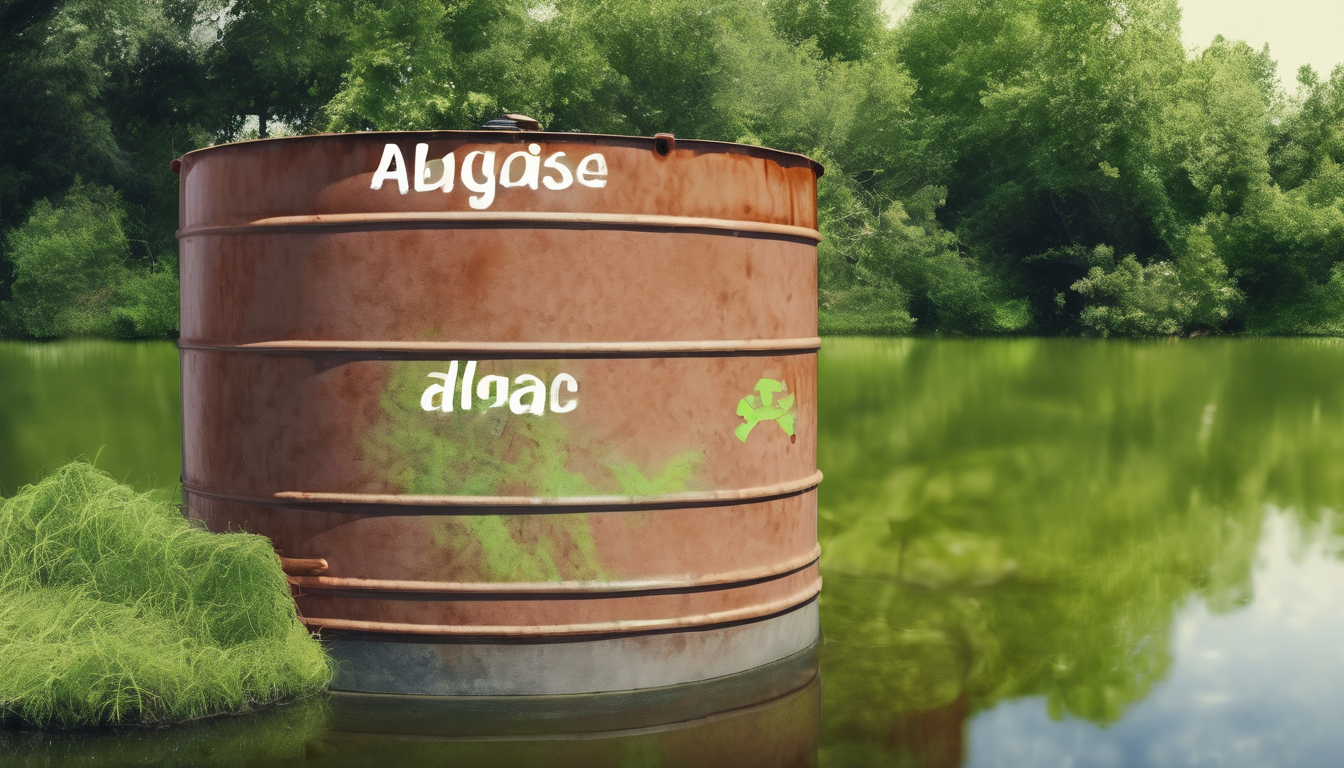

Water tank algae contamination represents a significant health concern for Dubai residents, particularly during the warmer months when sunlight exposure and elevated temperatures create ideal conditions for algal growth. Recognising the Signs your water tank has algae contamination early can prevent more serious water quality issues and potential health risks for your family. This comprehensive guide will help you identify the visual, olfactory, and taste indicators that suggest algal presence in your water storage system.
In Dubai’s climate, where temperatures frequently exceed 40°C and sunlight intensity remains high throughout much of the year, water tanks become vulnerable to algae proliferation if not properly maintained. Many residents remain unaware of the subtle signs your water tank has algae contamination until the problem becomes severe. Early detection allows for prompt intervention, preventing the need for extensive cleaning and minimising potential health impacts.
This article provides detailed information on identifying algae contamination through multiple sensory indicators, understanding the health implications, and taking appropriate action. Whether you manage a villa in Arabian Ranches, an apartment in Downtown Dubai, or a commercial property in Business Bay, recognising these signs your water tank has algae contamination is essential for maintaining water safety standards compliant with Dubai Municipality regulations.
Signs Your Water Tank Has Algae Contamination – Visual Signs of Algae Contamination
The most immediate signs your water tank has algae contamination appear as visual changes in your water quality. Greenish tint or discolouration represents one of the primary indicators that algae may be present in your water system. This colouration typically appears as a light green hue when viewing water in a clear glass, particularly when held against white background. The intensity of the green colour often correlates with the extent of algal growth within the tank.
Another visual indicator includes visible floating particles or sediment that appears green, brown, or black in colour. These particles may settle at the bottom of containers or remain suspended in the water. In severe cases, you might notice slimy coatings on taps, showerheads, or inside toilet bowls. These biofilms develop when algae colonies establish themselves in your plumbing system following initial contamination in the storage tank.
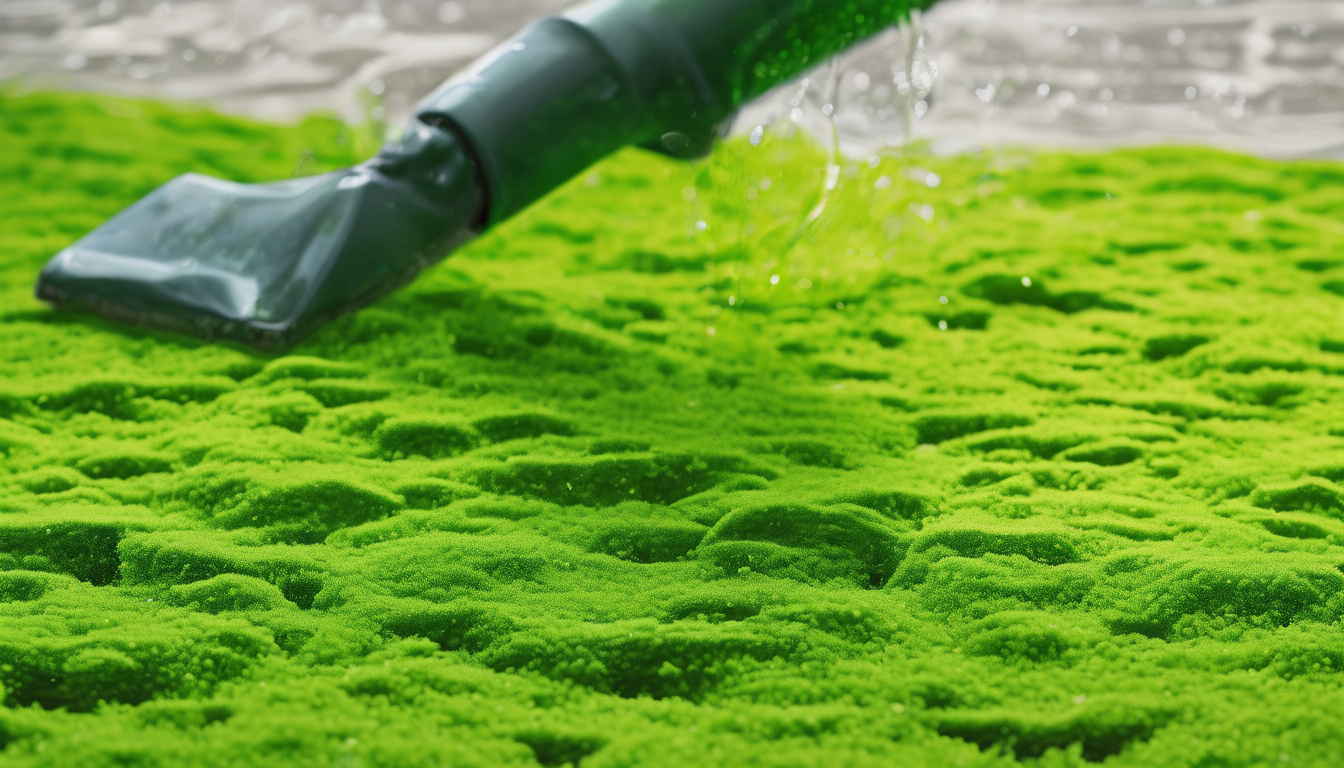
During tank inspection, look for green streaks or patches on the interior walls of your water storage unit. These growth patterns often appear near water level lines where sunlight penetration occurs. In overhead tanks with transparent or semi-transparent covers, you might observe green discolouration directly on the tank walls. For underground concrete tanks, visual inspection requires professional equipment but may reveal similar growth patterns during routine maintenance checks.
Signs Your Water Tank Has Algae Contamination: Odour Indicators of Algae Growth
Distinctive odours represent another critical category of signs your water tank has algae contamination. Musty, earthy, or mouldy smells emanating from your taps often indicate the presence of algae or related microbial growth. These odours typically become more noticeable when running hot water, as heating releases volatile compounds produced by algal metabolism. The smell might resemble damp soil or decaying vegetation, particularly after periods of tank stagnation.
In advanced cases, the odour may develop into a more pronounced swamp-like or fishy smell, indicating substantial algal biomass decomposition. These odours not only affect drinking water but may also transfer to cooked food, beverages, and even washed clothing. Many Dubai residents first notice these signs your water tank has algae contamination when their morning coffee or tea carries an unusual earthy undertone that wasn’t present previously.
The persistence of these odours despite running water for several minutes suggests the contamination originates from the storage system rather than the distribution pipes. If the smell diminishes after extended water flow, the issue might reside in the pipes rather than the tank itself. However, consistent odour presence regardless of flow duration strongly indicates tank-based contamination requiring professional attention.
Signs Your Water Tank Has Algae Contamination – Taste Changes in Contaminated Water
Alterations in water taste provide additional signs your water tank has algae contamination that complement visual and olfactory indicators. Affected water often develops an earthy, musty, or mouldy flavour that many describe as similar to soil or decaying leaves. This taste results from geosmin and 2-methylisoborneol (MIB), compounds produced by various algae species that human taste receptors detect at extremely low concentrations.
The taste intensity often fluctuates with seasonal changes and water temperature. During Dubai’s summer months, when water temperatures in storage tanks can exceed 30°C, taste alterations typically become more pronounced due to accelerated algal metabolic activity. You might notice these signs your water tank has algae contamination more strongly in beverages like tea or coffee, where heated water releases additional volatile compounds.
Some residents report a slightly sweet or grassy aftertaste accompanying the earthy notes, particularly when blue-green algae (cyanobacteria) are present. These taste changes persist despite filtration in many cases, as standard charcoal filters may not completely remove the taste-producing compounds. If your filtered water still carries unusual flavours, this represents one of the more reliable signs your water tank has algae contamination requiring professional assessment.
Physical Symptoms of Algae Exposure
While not definitive proof alone, physical reactions to water use can provide supporting signs your water tank has algae contamination. Skin irritation, including rashes, itching, or redness after bathing or showering, may indicate the presence of algae or related contaminants. These reactions occur because some algae species produce compounds that irritate human skin, particularly in individuals with sensitivities or existing dermatological conditions.
Gastrointestinal discomfort following water consumption represents another potential indicator, though this symptom requires careful correlation with other signs your water tank has algae contamination. Some algae species produce compounds that can cause mild stomach upset, particularly in children or individuals with compromised immune systems. However, these symptoms alone shouldn’t be considered diagnostic without accompanying visual, odour, or taste indicators.
It’s important to note that while most algae aren’t directly toxic, some blue-green algae species can produce harmful toxins under certain conditions. If multiple household members experience unexplained skin irritation or mild gastrointestinal symptoms alongside other signs your water tank has algae contamination, professional water testing becomes advisable. Dubai Municipality guidelines recommend immediate attention when health symptoms coincide with visible water quality issues.
Professional Inspection Methods
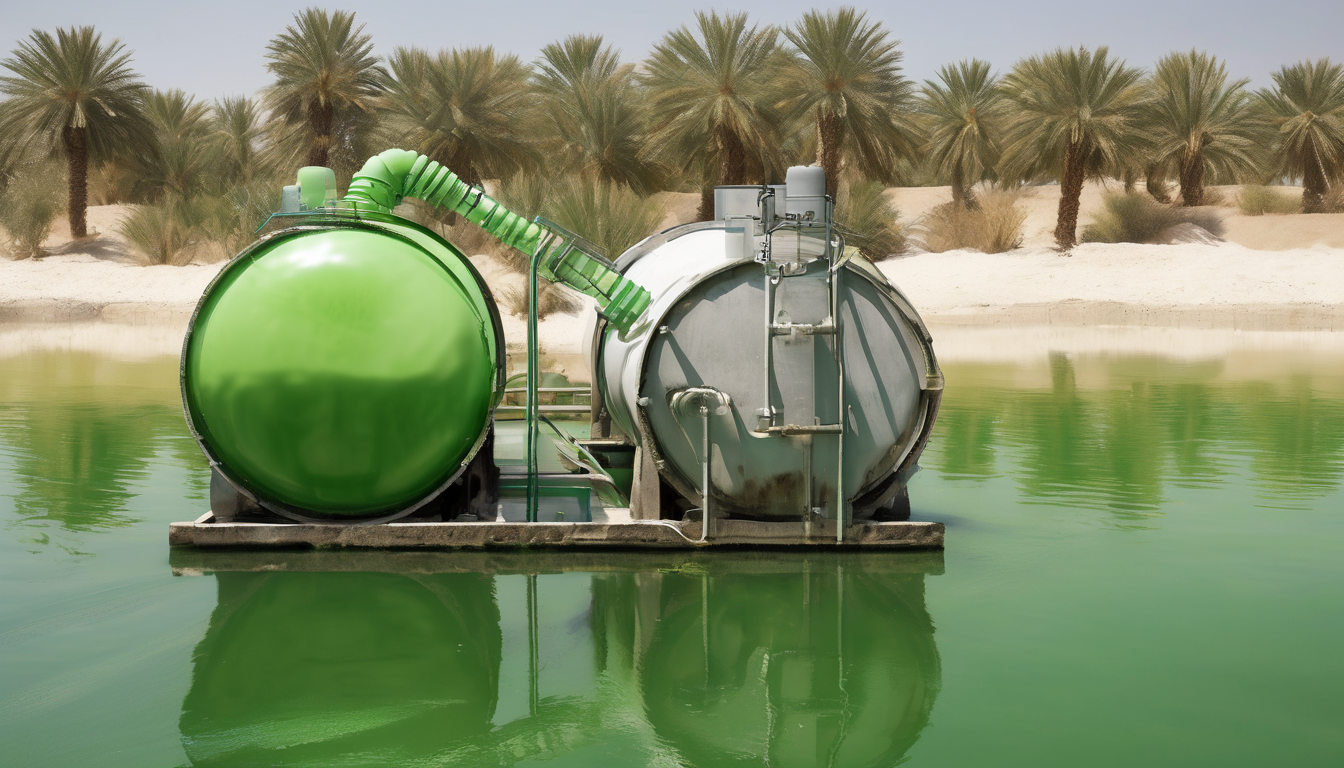
When preliminary signs your water tank has algae contamination appear, professional inspection provides definitive confirmation. Certified technicians use specialised equipment including underwater cameras and lighting systems to examine tank interiors without requiring complete drainage. This non-invasive inspection can identify algae growth patterns, sediment accumulation, and biofilm development that might not be visible through casual observation.
Water testing represents another professional method for confirming signs your water tank has algae contamination. Laboratory analysis can detect algal cells, chlorophyll content, and specific compounds like geosmin and MIB that cause characteristic tastes and odours. Dubai-approved testing facilities provide comprehensive reports that quantify contamination levels and identify specific algae types present in your system.
Professional assessment also includes evaluation of tank conditions that promote algal growth. Technicians examine lid seals, light exclusion measures, and ventilation systems that might contribute to the development of signs your water tank has algae contamination. This holistic approach not only confirms existing issues but identifies preventive measures to avoid recurrence following cleaning and disinfection.
Prevention Strategies for Dubai Climate
Preventing signs your water tank has algae contamination requires specific strategies adapted to Dubai’s challenging climate. Complete light exclusion represents the most effective preventive measure, as algae require sunlight for photosynthesis. Ensure your tank lid fits securely without gaps, and consider adding additional light-blocking covers if your tank receives direct sunlight exposure during the day.
Regular maintenance scheduling helps prevent the development of signs your water tank has algae contamination. Dubai Municipality recommends professional cleaning and disinfection at least annually for residential tanks and more frequently for commercial establishments. These services typically cost between AED 800-1,500 depending on tank size and accessibility, representing a worthwhile investment compared to the health implications of neglected tanks.
Water circulation measures can also reduce the likelihood of signs your water tank has algae contamination. Stagnant water provides ideal conditions for algal growth, particularly in the warm temperatures common in Dubai properties. If your property experiences low water usage, consider installing circulation systems or periodically draining and refilling portions of your tank to maintain water freshness and discourage algal establishment.
Expert Tips for Algae Identification
Based on twelve years of experience servicing water tanks across Dubai, I recommend these practical tips for identifying signs your water tank has algae contamination. First, conduct regular visual checks using a white container filled with water from different taps throughout your property. Compare water samples morning and evening, as temperature variations can affect the visibility of subtle colour changes.
Second, pay attention to seasonal patterns in your water quality. Signs your water tank has algae contamination often become more apparent during summer months when increased sunlight and temperatures accelerate algal growth. If you notice seasonal variations in water taste, odour, or appearance, schedule professional inspection before the problem escalates.
Third, document changes systematically. When you suspect signs your water tank has algae contamination, note the specific observations, dates, and which water outlets show the issues. This documentation helps professionals pinpoint the contamination source more efficiently, potentially reducing service time and costs while ensuring comprehensive resolution of the problem.
FAQ: Algae Contamination Concerns
How quickly can algae develop in Dubai water tanks?
Under Dubai’s climate conditions, initial signs your water tank has algae contamination can appear within 2-3 weeks under ideal conditions of sunlight exposure and warm temperatures. However, established infestations typically develop over several months of neglect, making regular inspection crucial for early detection.
Can algae-contaminated water make you sick?
While most algae species aren’t directly harmful, some blue-green algae can produce toxins that cause health issues. More commonly, the bacteria that thrive alongside algal growth can cause gastrointestinal discomfort or skin irritation. If you observe signs your water tank has algae contamination, professional assessment is recommended.
How much does professional algae cleaning cost in Dubai?
Professional cleaning services addressing signs your water tank has algae contamination typically range from AED 800-2,000 depending on tank size, accessibility, and contamination severity. Most reputable companies offer free initial inspections and detailed quotations before commencing work.
Can I clean algae contamination myself?
While basic maintenance helps, addressing established signs your water tank has algae contamination requires professional equipment and Dubai Municipality-approved disinfectants. DIY attempts often leave residual contamination and may not address underlying issues promoting algal growth.
Recognising the signs your water tank has algae contamination represents the first step toward maintaining safe, clean water for your household or business. Through regular monitoring, prompt professional intervention, and preventive maintenance, Dubai residents can avoid the water quality issues and potential health concerns associated with algal growth in water storage systems. Remember that early detection typically means simpler, more cost-effective resolution of contamination issues.