


—
—
—
Introduction: Understanding Best Water Tank for Preventing Contamination?
Water is a precious resource, especially in the arid climate of Dubai, UAE. Ensuring its safety and purity from contamination is crucial for both residential and commercial properties. This comprehensive guide will explore the best water tanks designed to prevent contamination, focusing on the unique challenges faced by residents here.
—
Table of Contents
—
Key Considerations for Preventing Contamination
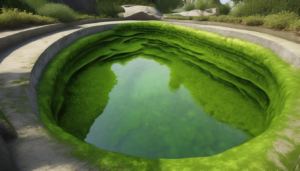
Contaminated water can pose serious health risks, making it essential to choose the right tank. Key factors include location, climate, and specific needs of your property. In Dubai’s hot and dry conditions, contamination from sediment, algae, and biofilm is a common issue. This relates directly to Best Water Tank For Preventing Contamination.
—
Understanding Best Water Tank for Preventing Contamination?
A reliable water tank should be designed to withstand the local environment, ensure long-term safety, and comply with Dubai Municipality regulations. The best tanks are those that offer a combination of robust construction, easy maintenance, and effective contamination prevention.
—
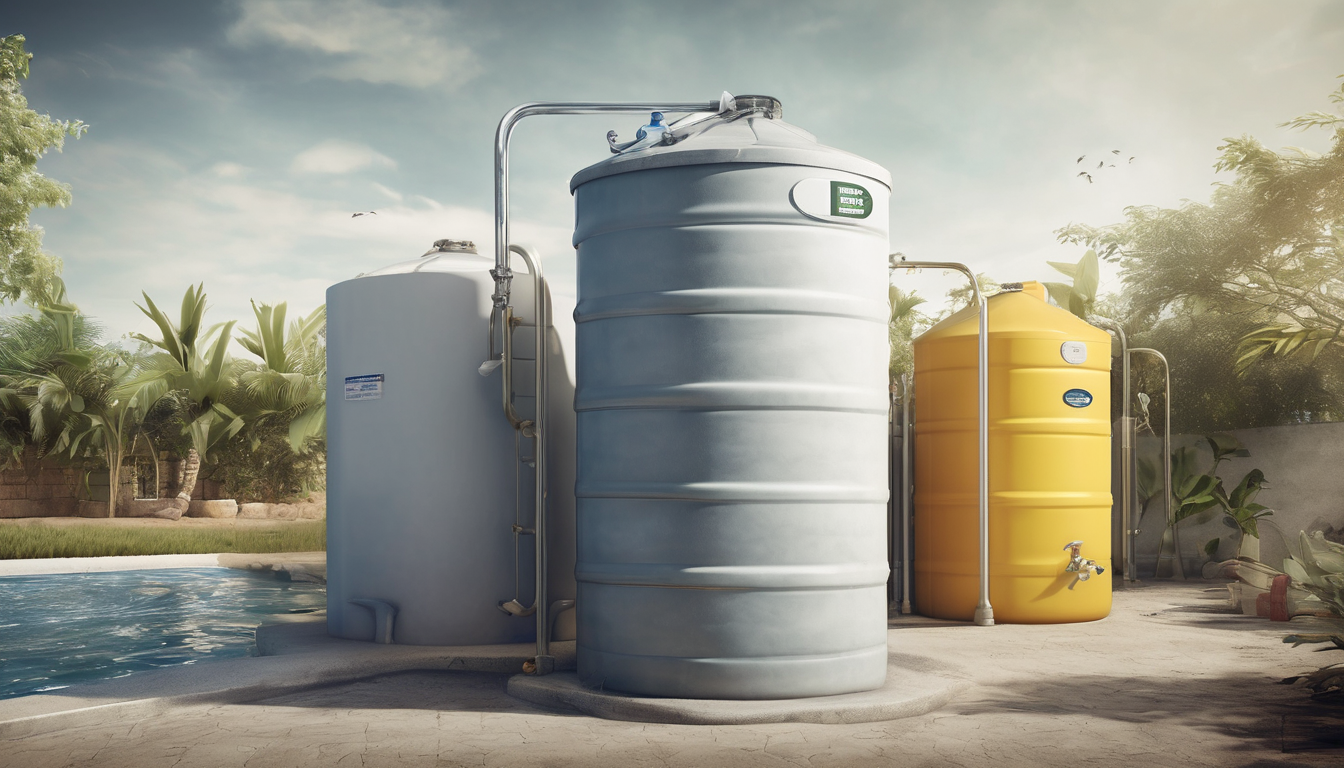
Types of Water Tanks and Their Features
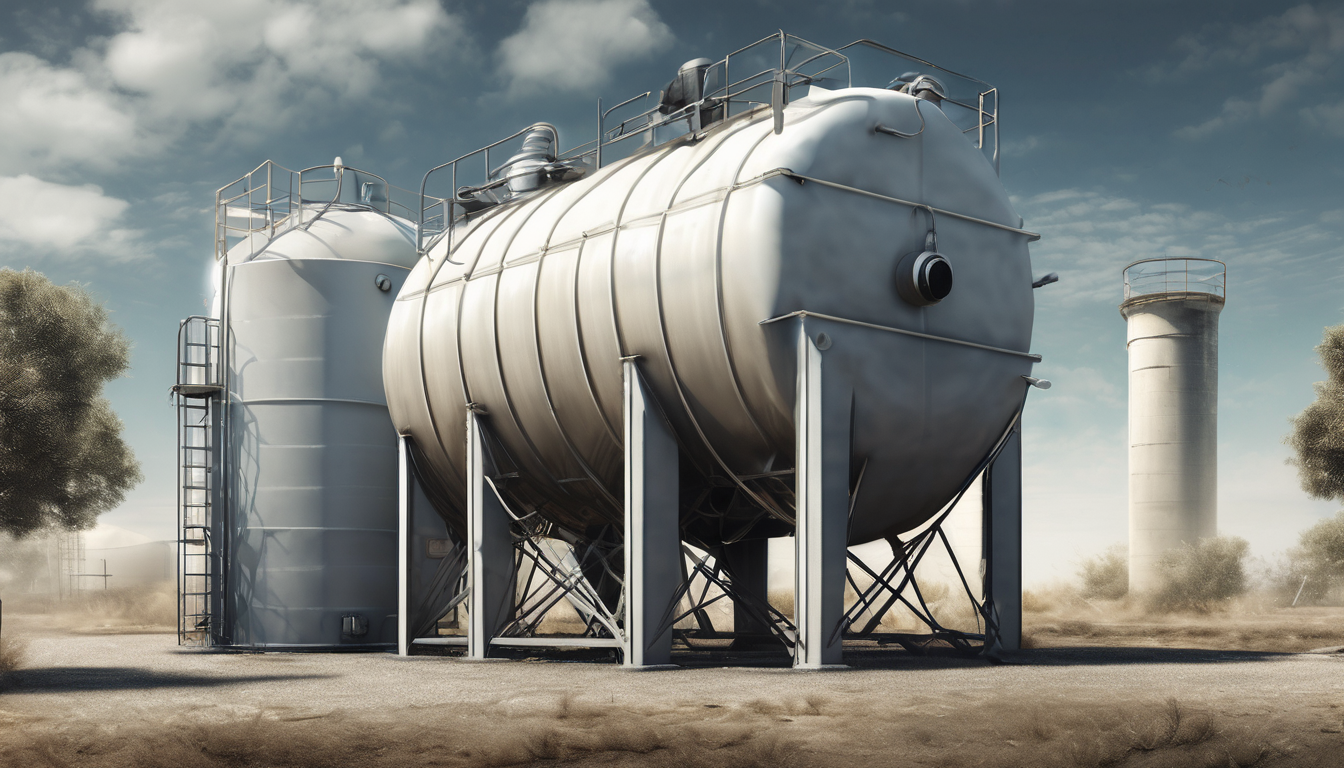
There are primarily two types of water tanks: underground and overhead. Underground tanks are ideal for properties with limited space or where aesthetics matter less, while overhead tanks provide easier access but may be more visible.
- Underground Tanks: These are buried beneath the ground to minimize visual impact and reduce the risk of vandalism. They come in various materials such as GRP (Glass Reinforced Plastic), concrete, or steel.
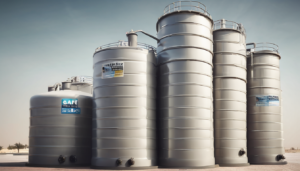
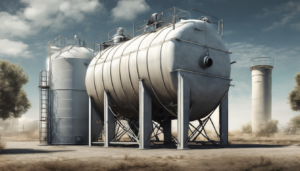
- Overhead Tanks: Installed above ground, they offer easier access for cleaning and maintenance but may require more space. Common materials include GRP, concrete, and aluminum.
—
Material Selection: What to Look For in a Water Tank
The choice of material is critical as it affects the tank’s durability, resistance to corrosion, and potential for contamination. GRP tanks are popular due to their lightweight, corrosion-resistant nature, making them ideal for areas prone to high humidity or salt-laden winds.
- GRP (Glass Reinforced Plastic): Provides excellent protection against UV rays and chemical degradation, ensuring a long service life. It’s also easy to clean and maintain.
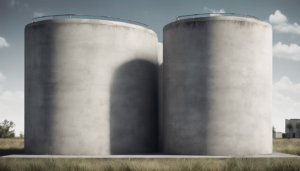
- Concrete: A cost-effective option but can be heavier and less resistant to wear over time. Concrete tanks may require more frequent inspections for cracks or leaks.
- Steel: More prone to rusting, especially in coastal areas, making it less suitable for long-term use without proper maintenance.
—
Tank Size and Capacity: Choosing the Right Fit for Your Needs
Selecting a water tank that fits your property’s needs is crucial. Consider factors like daily consumption, number of residents or employees, and frequency of use. A properly sized tank ensures consistent supply without overburdening the system.
For residential villas: A standard 5000-10,000-liter capacity should suffice for a family of four to six people. Larger families may require tanks up to 20,000 liters.
In commercial buildings: The tank size depends on the number of users and peak consumption times. For example, a small office might need a 5,000-liter tank, while a large hotel could benefit from multiple 10,000-liter tanks distributed across the facility.
—
Cleaning and Maintenance: Ensuring Longevity of Your Water Tank
Regular cleaning and maintenance are essential to prevent contamination. Dubai’s climate necessitates more frequent inspections due to high temperatures and dust accumulation. Here are some best practices:
- Pre-cleaning Inspections: Conduct thorough visual checks for cracks, leaks, or corrosion before starting the cleaning process.
- Draining and Isolating: Safely drain the tank to prevent spillage and isolate it from the water supply system using appropriate valves.
- Cleaning Techniques: Use a combination of manual scrubbing, pressure washing, and mechanical cleaning tools. Ensure that all surfaces are thoroughly cleaned.
- Disinfection: Apply approved chemicals to disinfect the tank, following manufacturer instructions carefully. Allow adequate dwell time for effectiveness.
- Rinsing and Refilling: Rinse the tank multiple times with clean water before refilling it. This helps remove any residual cleaning agents or debris.
—
Cost Considerations: Investing in a Contamination-Free Water Source
The initial cost of purchasing and installing a water tank is just one aspect to consider. Long-term maintenance, energy consumption for heating (if applicable), and potential health costs due to contaminated water should also be factored into your budget. When considering Best Water Tank For Preventing Contamination, this becomes clear.
- Initial Investment: Prices vary based on size, material, and installation complexity. A 5,000-liter GRP tank can cost around AED 3,500 – 7,000 depending on location.
- Maintenance Costs: Regular cleaning and disinfection can add to the overall expense. Plan for annual maintenance budgets of approximately AED 1,200 – 2,500 per tank.
- Energy Consumption: Electrically heated water tanks may require additional electricity costs, especially during winter months when water temperatures drop below comfort levels.
—
Expert Tips for Preventing Contamination
To ensure your water tank remains contamination-free, follow these expert tips:
- Regular Inspections: Schedule routine inspections every 6-12 months to catch any issues early.
- Proper Ventilation: Ensure the tank has adequate ventilation to prevent moisture buildup and reduce the risk of mold growth.
- Use Approved Chemicals: Only use Dubai Municipality-approved disinfectants to avoid potential health risks from untested products.
- Seal All Access Points: Cover all openings with tight-fitting lids or seals to prevent entry of contaminants and pests.
—
FAQ Section: Answers to Common Questions
- Q1: How often should I clean my water tank?
- A1: The frequency depends on the type of tank, usage patterns, and local climate. Typically, every 6-12 months is recommended for optimal hygiene.
- Q2: Can I use any disinfectant to clean my tank?
- A2: No, only use Dubai Municipality-approved products to ensure safety and compliance with health regulations.
- Q3: How do I know if my water tank is contaminated?
- A3: Signs include unusual odors, discoloration, or sediment in the water. Regular inspections can help identify these issues early.
—
Conclusion: Safeguarding Your Water Supply with the Best Tank
Selecting and maintaining a high-quality water tank is crucial for ensuring safe drinking water in Dubai’s challenging environment. By considering factors such as material, size, and regular maintenance, you can protect your family or business from contamination risks. Investing in the right tank and following best practices will help safeguard your most precious resource. The importance of Best Water Tank For Preventing Contamination is evident here.
—
Tags
best water tank for preventing contamination, water storage solutions, Dubai Municipality, GRP tanks, tank cleaning UAE, water safety, hygiene first approach
— Understanding Best Water Tank For Preventing Contamination is key to success in this area.