


Understanding Safe Chemicals For Water Tank Cleaning In Dubai is essential. —
Understanding Safe Chemicals for Water Tank Cleaning in Dubai
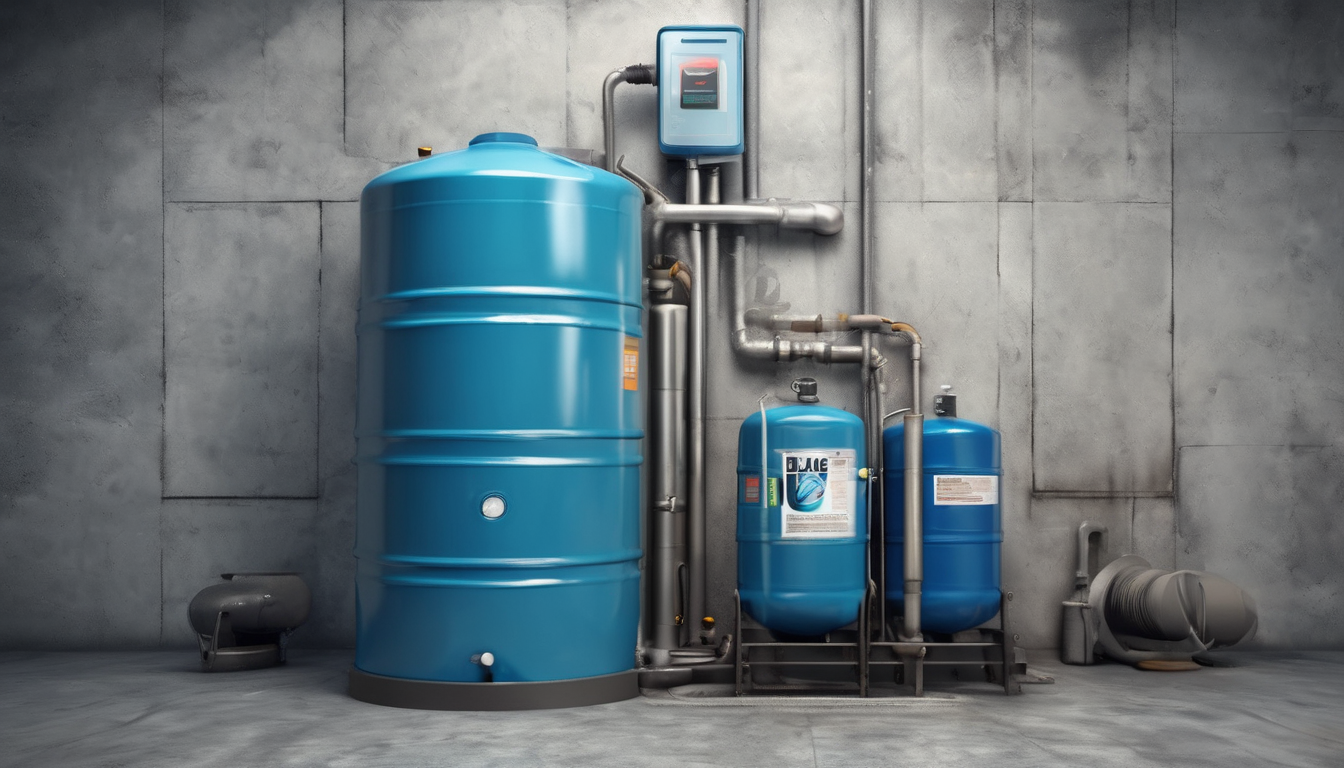
Water tank cleaning is a critical process to ensure the safety and hygiene of drinking water. In Dubai, with its hot climate leading to rapid algae growth and dust accumulation, using safe chemicals is essential. The primary goal is to eliminate contaminants without compromising health or the longevity of the water storage system.
Importance of Using Safe Chemicals for Water Tank Cleaning in Dubai
Using safe chemicals not only ensures that your water remains clean but also complies with local regulations. The Dubai Municipality (DM) has strict guidelines and approved disinfectants to prevent contamination. Utilizing these chemicals correctly is crucial, as improper use can lead to health risks or damage the tank.
Common Chemicals Used in Water Tank Cleaning in Dubai
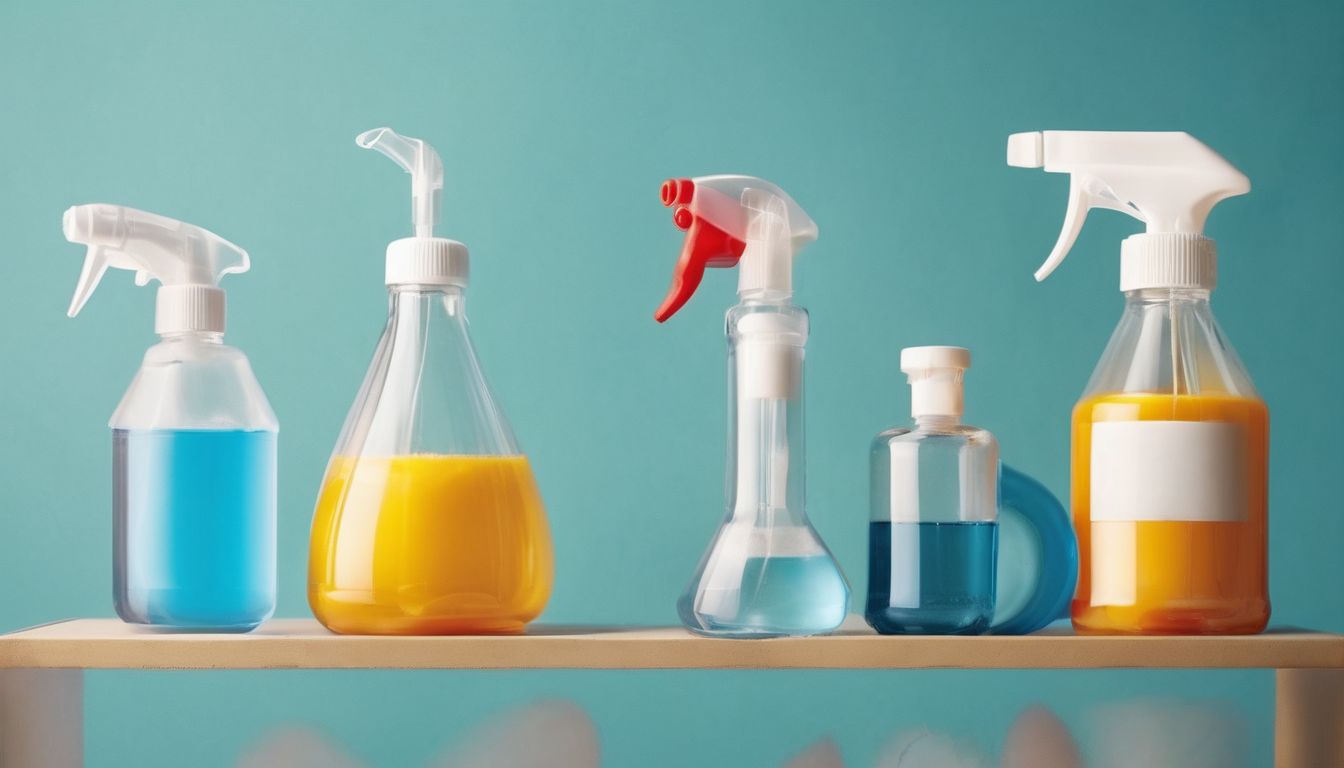
Several types of chemicals are commonly used for water tank cleaning:
- Potassium Permanganate (KMnO₄): This oxidizing agent effectively removes organic matter and is frequently used as a pre-rinse agent.
- Sodium Hypochlorite (NaClO): A strong disinfectant, it’s commonly used for chlorination to kill bacteria and viruses.
- Iodophor Solutions: These are iodine-based solutions that provide broad-spectrum antimicrobial activity and are gentle on the tank surface.
- Bleach (NaOCl): Chlorine bleach is another effective disinfectant, but it should be used with caution due to its strong odor and potential corrosive effects.
Safe Disinfectants and Chlorination Methods for Water Tank Cleaning in Dubai
Disinfection is a key step in water tank cleaning. The Dubai Municipality mandates the use of safe disinfectants to ensure that tanks are free from harmful microorganisms:
- Potable Water Guidelines: Follow DM guidelines for potable water hygiene, ensuring that any chemicals used do not affect water quality.
- Dwell Time: Ensure proper dwell time to allow the disinfectant to work effectively. For instance, sodium hypochlorite should have a minimum contact time of 30 minutes after mixing.
- Rinsing: After applying the disinfectant, thoroughly rinse the tank to remove all traces and prevent contamination during refilling.
Chemical Safety Precautions During Water Tank Cleaning in Dubai
Handling chemicals safely is crucial to avoid accidents or health issues. Here are some safety measures:
- Gloves and Protective Gear: Always wear gloves, masks, and other protective equipment.
- Adequate Ventilation: Ensure the area where chemicals are being mixed is well-ventilated to prevent inhalation of fumes.
- Storage: Store chemicals in a cool, dry place away from direct sunlight and flammable materials.
Selecting Safe Chemicals for Water Tank Cleaning in Dubai
Choosing the right chemicals involves considering several factors:
- DM Approval: Ensure that any chemical used is DM-approved and listed on their approved products list.
- Effectiveness: Choose chemicals that are effective against a wide range of contaminants, including bacteria, algae, and viruses.
- Safety: Opt for non-toxic or low-toxicity chemicals to minimize health risks during application and disposal.
Tips and Best Practices for Using Safe Chemicals for Water Tank Cleaning in Dubai
To ensure the best results, follow these tips:
- Professional Services: Consider hiring a certified water tank cleaning service to handle chemical application safely.
- Regular Inspections: Schedule regular inspections and cleanings based on your specific needs and local regulations.
- Documentation: Keep detailed records of the chemicals used, their concentrations, and the dates of application for compliance purposes.
FAQ Section
- Q1: How often should I clean my water tank?
- A1: The frequency depends on your local climate. In Dubai, it’s recommended to clean every 6-12 months.
- Q2: Can I use any chemical for cleaning the water tank?
- A2: No, only DM-approved chemicals should be used to ensure compliance and safety.
- Q3: What are the risks of using unsafe chemicals in water tanks?
- A3: Using unsafe chemicals can lead to health issues, damage to the tank structure, and non-compliance with regulations.
Conclusion
In conclusion, safe chemicals play a vital role in maintaining clean and hygienic water tanks. By understanding the importance of using approved chemicals, following best practices, and adhering to local guidelines, you can ensure that your drinking water remains safe for consumption. Regular cleaning and maintenance are key to preventing contamination and ensuring long-term health benefits.
—
Understanding Safe Chemicals for Water Tank Cleaning in Dubai
Safe chemicals play a crucial role in maintaining the hygiene of water storage tanks, especially in hot and humid regions like Dubai. The primary goal is to ensure that the water remains free from contaminants without compromising its safety or quality. This article will explore the safe chemicals used for cleaning water tanks and provide insights into their proper use.
Importance of Using Safe Chemicals for Water Tank Cleaning in Dubai
Using safe chemicals is essential to comply with local regulations and ensure the health of residents. The Dubai Municipality (DM) has strict guidelines on the types of chemicals that can be used, and non-compliance can lead to fines or legal action. Proper chemical use also prevents damage to the tank structure and maintains water quality.
Common Chemicals Used in Water Tank Cleaning in Dubai
Several chemicals are commonly used for cleaning water tanks, each with its own benefits:
- Potassium Permanganate (KMnO₄): This strong oxidizing agent is effective at removing organic matter and is often used as a pre-rinse solution.
- Sodium Hypochlorite (NaClO): A powerful disinfectant, it’s frequently employed for chlorination to kill bacteria and viruses.
- Iodophor Solutions: These iodine-based solutions provide broad-spectrum antimicrobial activity and are gentle on the tank surface.
- Bleach (NaOCl): Chlorine bleach is another effective disinfectant, but it should be used with caution due to its strong odor and potential corrosive effects.
Safe Disinfectants and Chlorination Methods for Water Tank Cleaning in Dubai
Disinfection is a critical step in water tank cleaning. Proper disinfection ensures that the water remains safe to drink:
- Potable Water Guidelines: Follow DM guidelines for potable water hygiene, ensuring any chemicals used do not affect water quality.
- Dwell Time: Ensure a minimum dwell time of 30 minutes after applying sodium hypochlorite to allow it to work effectively.
- Rinsing: After disinfection, thoroughly rinse the tank to remove all traces and prevent contamination during refilling.
Chemical Safety Precautions During Water Tank Cleaning in Dubai
Safely handling chemicals is crucial for both health and safety:
- Gloves and Protective Gear: Always wear gloves, masks, and other protective equipment during the cleaning process.
- Adequate Ventilation: Ensure good air circulation to prevent inhalation of harmful fumes.
- Storage: Store chemicals in a cool, dry place away from direct sunlight and flammable materials.
Selecting Safe Chemicals for Water Tank Cleaning in Dubai
Selecting the right chemical involves several considerations:
- DM Approval: Only use chemicals that are approved by the Dubai Municipality.
- Effectiveness: Choose chemicals effective against a wide range of contaminants, including bacteria and viruses.
- Safety: Opt for non-toxic or low-toxicity options to minimize health risks during application and disposal.
Tips and Best Practices for Using Safe Chemicals for Water Tank Cleaning in Dubai
To ensure the best results, follow these tips:
- Professional Services: Consider hiring a certified water tank cleaning service to handle chemical application safely.
- Regular Inspections: Schedule regular inspections and cleanings based on your specific needs and local regulations.
- Documentation: Keep detailed records of the chemicals used, their concentrations, and the dates of application for compliance purposes.
FAQ Section
- Q1: How often should I clean my water tank?
- A1: In Dubai, it’s recommended to clean every 6-12 months, depending on the conditions.
- Q2: Can I use any chemical for cleaning the water tank?
- A2: No, only DM-approved chemicals should be used to ensure compliance and safety.
- Q3: What are the risks of using unsafe chemicals in water tanks?
- A3: Using unsafe chemicals can lead to health issues, damage to the tank structure, and non-compliance with regulations.
Conclusion
In conclusion, safe chemicals play a vital role in maintaining clean and hygienic water tanks. By understanding the importance of using approved disinfectants, following best practices, and adhering to local guidelines, you can ensure that your drinking water remains safe for consumption. Regular cleaning and maintenance are key to preventing contamination and ensuring long-term health benefits. Understanding Safe Chemicals For Water Tank Cleaning In Dubai is key to success in this area.