




Introduction: Why Early Detection Matters
Underground water storage tanks are essential for providing clean drinking water in many residential and commercial properties across Dubai, including villas, high-rise buildings, and shared accommodations. However, over time, these tanks can experience structural issues like buckling, which can lead to leaks, reduced capacity, or complete failure. Understanding How to Detect underground tank buckling signs early is crucial for preventing costly repairs and ensuring a continuous supply of clean water.
Detect Underground Tank Buckling Signs Early: Identifying Buckling Signs Early
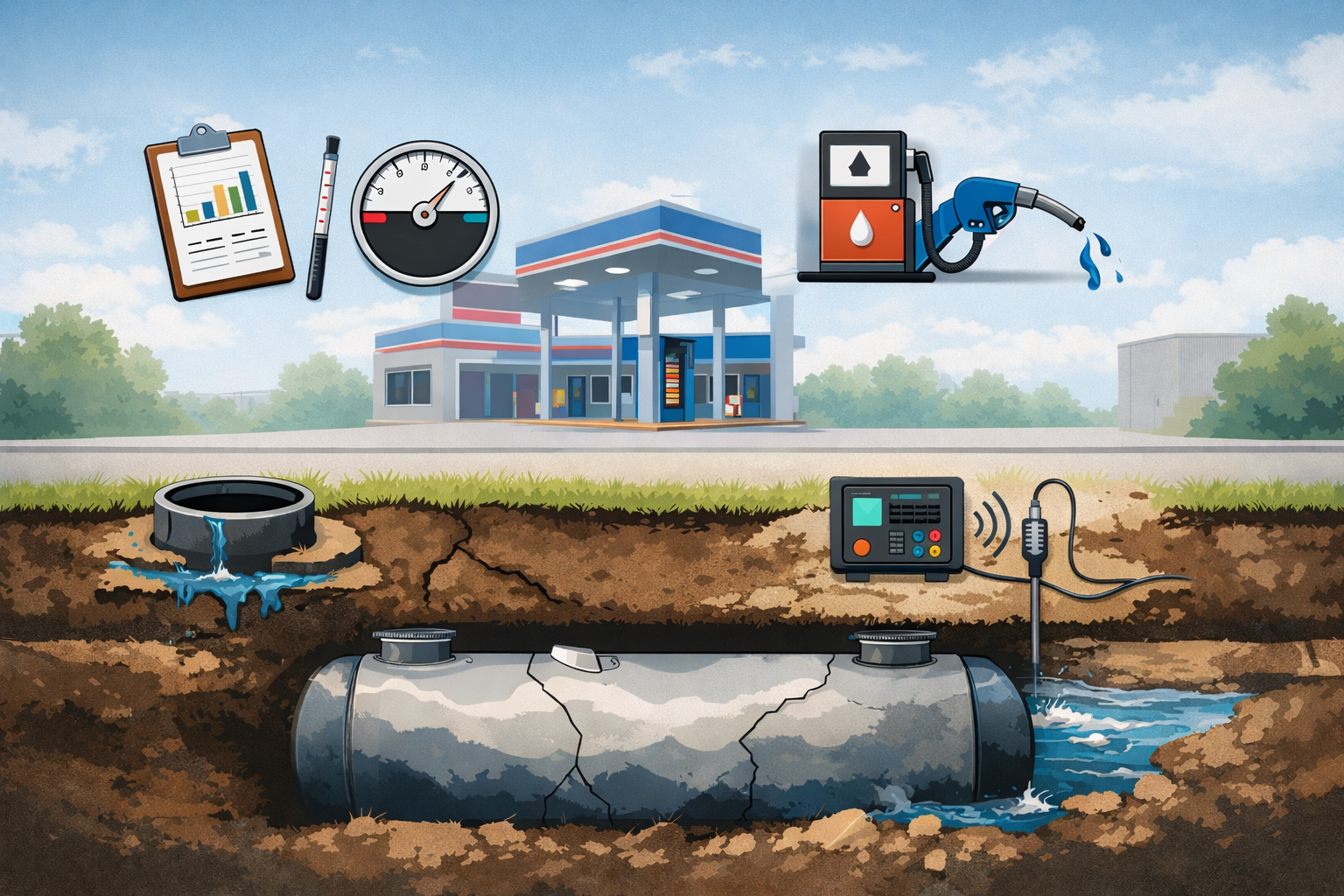
Early detection of underground tank buckling signs is critical to prevent further damage. Here are the key indicators you should look for: This relates directly to Detect Underground Tank Buckling Signs Early.
- Visible Deformation: Check your underground water storage tank regularly for any visible deformations or bulges. These can indicate areas where the tank may be starting to buckle.
- Leakage: Look out for any signs of leakage around seams, joints, and welds. A sudden increase in leakage could signal buckling is occurring beneath the surface.
- Noise During Water Flow: Listen carefully when water flows through your plumbing system. An unusual rattling or knocking sound can indicate structural stress within the tank.
- Sediment Buildup: Regularly inspect your water for any unusual sediment buildup, which could be caused by internal corrosion and weakening of the tank walls.
Detect Underground Tank Buckling Signs Early: Causes of Tank Buckling
Tank buckling can occur due to various factors. Understanding these causes is essential in identifying potential issues early:
- Water Pressure Fluctuations: Sudden increases or decreases in water pressure can cause the tank walls to bend and buckle.
- Environmental Factors: Soil movement, settlement, and external loads can exert stress on the tank, leading to buckling over time.
- Material Fatigue: Over time, repeated cycles of pressure and temperature changes can weaken materials, making them more susceptible to buckling.
Detect Underground Tank Buckling Signs Early – Preventing Water Pressure Issues That Cause Underground Tank
Water pressure fluctuations are one of the primary causes of underground tank buckling. Here’s how you can manage water pressure effectively: When considering Detect Underground Tank Buckling Signs Early, this becomes clear.
- Regular Maintenance Checks: Conduct routine inspections to ensure that your plumbing system is functioning correctly and not causing excessive pressure.
- Pressure Relief Valves: Install pressure relief valves to automatically adjust the water pressure if it exceeds safe levels.
- Water Flow Control Devices: Use flow control devices like thermostatic valves or water meters to regulate water usage and prevent surges in demand.
Material Selection for Underground Water Tanks to Avoid Buckling
The choice of material plays a crucial role in the longevity and stability of underground water tanks. Here are some materials that can help avoid buckling: The importance of Detect Underground Tank Buckling Signs Early is evident here.
- GRP (Glass Reinforced Plastic): GRP is highly resistant to corrosion, making it an excellent choice for underground tanks where they may be exposed to harsh environmental conditions.
- Steel: While steel is durable, it can buckle under extreme pressure and temperature changes. Ensure that any steel tank has a robust coating or lining to protect against corrosion.
- Concrete: Concrete tanks are common in older buildings but may be more prone to cracking and buckling over time due to their heavy weight and susceptibility to ground movement.
Maintenance Practices to Extend Underwater Tank Lifespan
Maintaining your underground water storage tank can significantly extend its lifespan. Here are some essential maintenance practices:
- Regular Inspections: Schedule routine inspections by a certified professional to check for signs of buckling or other structural issues.
- Cleaning and Disinfection: Perform regular cleaning and disinfection to remove sediment, biofilm, and other contaminants that can weaken the tank walls.
- Sealant Application: Apply a suitable sealant around joints and seams to prevent water from seeping into weak areas of the tank.
Expert Tips for Early Detection
To ensure early detection, here are some expert tips you can follow:
- Regularly Check Tank Vents: Make sure that the venting system is working properly to prevent pressure build-up and reduce stress on the tank.
- Use Seismic Monitoring Devices: For high-risk areas, consider installing seismic monitoring devices to detect ground movements early and assess potential impact on your tank’s stability.
- Hire a Professional Inspector: Engage a professional to conduct periodic assessments of the tank’s structural integrity. They can use advanced tools like X-rays or ultrasonic testing to identify hidden issues.
FAQ Section: Common Questions About Underground Tank Buckling
Here are answers to some frequently asked questions about underground tank buckling:
- Q: Can I do a DIY inspection for buckling signs?
- A: While you can visually inspect your tank, it’s highly recommended that you hire a professional to ensure thorough and accurate assessments.
- Q: How often should underground water tanks be inspected?
- A: Inspect underground water tanks at least once every five years or more frequently if located in areas with high risk factors like seismic activity.
- Q: What are the consequences of ignoring early signs of buckling?
- A: Ignoring these signs can lead to significant structural failures, water leaks, and increased repair costs. Regular maintenance is key to preventing such issues.
Conclusion and Key Takeaways
Early detection of underground tank buckling signs is essential for maintaining the integrity and functionality of your water storage system. By understanding the causes, recognizing early indicators, and implementing preventive measures, you can avoid costly repairs and ensure a reliable supply of clean drinking water. Remember to regularly inspect your tanks and seek professional advice when necessary. Understanding Detect Underground Tank Buckling Signs Early is key to success in this area.