





Understanding Preventing Contamination in Water Storage Systems With Salt is essential.
When it comes to preventing contamination in water storage systems, understanding the role of salt can be crucial. Salt residue from a water softener is normal but requires proper management to avoid issues like tank corrosion or water quality degradation.
Understanding Preventing Contamination in Water Storage Systems with Salt
Water storage systems, whether for residential or commercial use, are critical components of any plumbing system. However, these systems can be prone to contamination, especially when dealing with salt residues from water softeners. This guide will help you understand the importance of preventing such contamination and provide actionable steps.
What is Salt Residue in Water Softeners?
Water softeners use a process called ion exchange, where calcium and magnesium ions are replaced by sodium or potassium. The excess salt from this process ends up as residue inside the storage tank. While harmless for most applications, high concentrations of salt can cause corrosion and affect water quality.
Can Salt Residue Affect Water Softener Performance?
Yes, salt residue can impact a water softener’s performance. Excessive salt buildup can clog the system, reduce its efficiency, and even cause it to fail prematurely. Regular cleaning is essential to maintain optimal functionality.
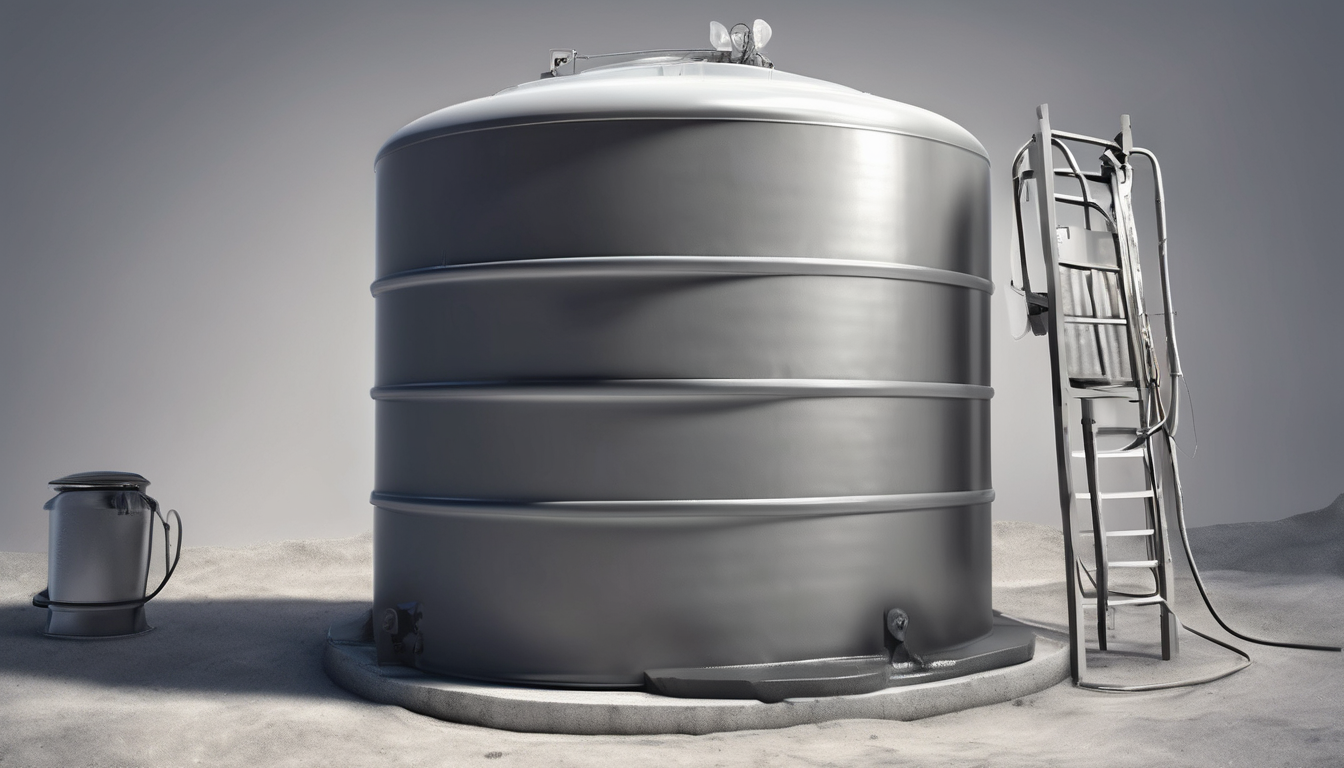
Safe Cleaning Methods for Concrete Tanks with Salt Buildup
Cleaning concrete tanks requires a methodical approach to avoid damaging the tank or releasing harmful substances into the water supply. Use biodegradable cleaning agents and follow these steps:
- Drain the tank completely.
- Apply a pH-balanced cleaner to break down salt residues.
- Rinse thoroughly with clean water.
- Allow the tank to dry before refilling.
How Does Salt Content Impact Hot Water Tank Lifespan?
Salt can significantly reduce the lifespan of hot water tanks. The heat from the water accelerates corrosion, leading to faster degradation of metal components. Proper maintenance and regular cleaning are crucial to extend tank life.
Preventing Contamination in Water Storage Systems with Salt Guide
Follow these steps to prevent contamination and maintain clean water storage systems:
- Regularly check for signs of salt residue.
- Clean the tank as needed, using appropriate chemicals.
- Use a descaler to remove mineral buildup.
- Install a filter system to catch small particles.
Expert Tips for Preventing Contamination
To ensure the best results, consider these expert tips:
- Inspect Regularly: Check your water storage system monthly to catch issues early.
- Use Proper Chemicals: Employ DM-approved cleaning agents for safe and effective results.
- Maintain pH Levels: Balance the pH of the water in your tank to prevent corrosion.
- Consider Filtration: Install a filtration system to reduce mineral buildup.
FAQ: Preventing Contamination in Water Storage Systems with Salt
Here are answers to common questions about preventing contamination:
- Q1: Is salt residue from a water softener normal and safe for concrete and hot water tanks?
- A1: Yes, it is normal but requires proper management. Follow the steps outlined above to ensure safety.
- Q2: Can I use household vinegar to clean my water storage system?
- A2: While vinegar can be effective, it may not be DM-approved. Use biodegradable and safe cleaning agents instead.
- Q3: How often should I clean my water storage tank with salt residue?
- A3: Clean the tank every 6-12 months or as needed, based on your specific system’s condition.
Conclusion: Preventing Contamination in Water Storage Systems with Salt
Preventing contamination in water storage systems is crucial for maintaining safe and clean drinking water. By understanding the role of salt, using proper cleaning methods, and following expert tips, you can ensure your system remains healthy and functional.
—