





Introduction
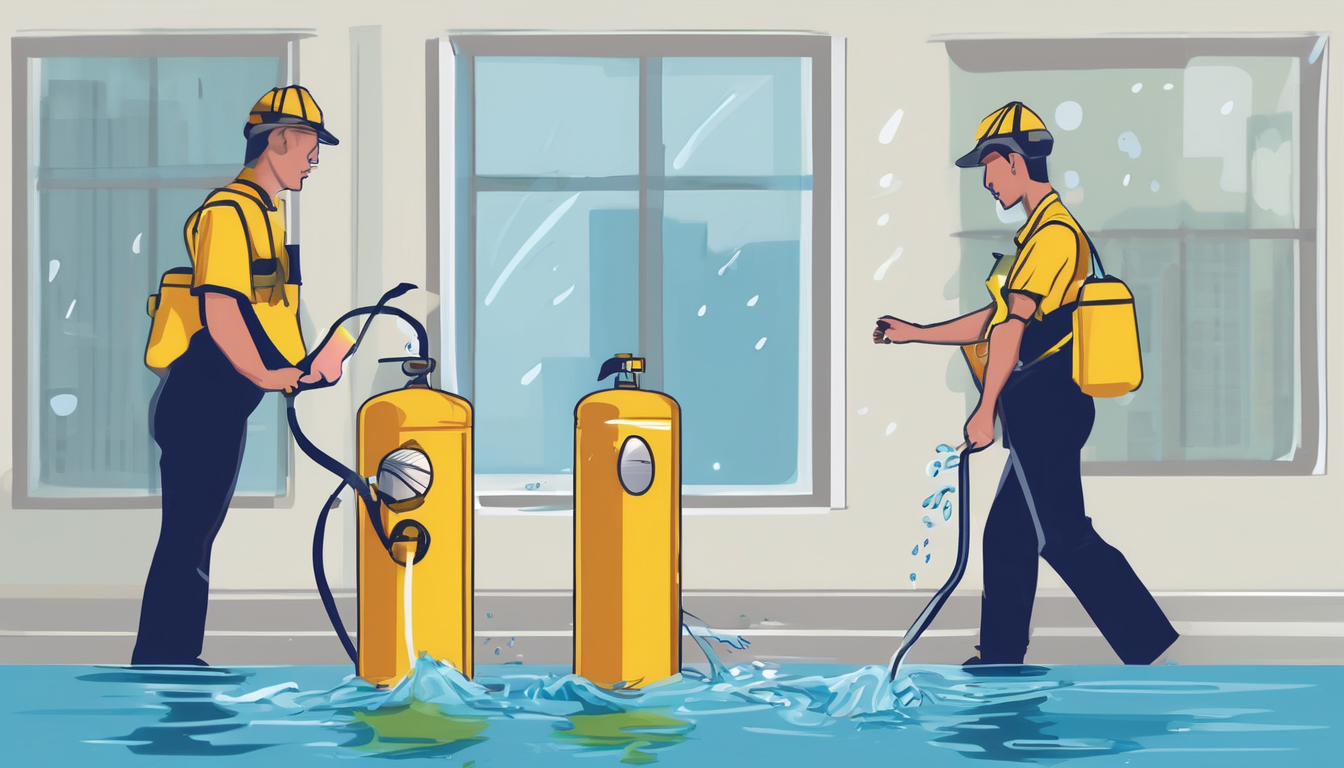
Understanding Preventive Maintenance Schedules For Pool Tanks is essential. Preventive maintenance schedules for pool tanks are a systematic approach to ensuring the longevity and cleanliness of your pool’s water storage system. These schedules focus on regular inspections, cleaning, and disinfection to maintain safe and hygienic conditions, particularly important in areas like Dubai where high temperatures and dust can lead to rapid contamination.
Table of Contents
- What Are Preventive Maintenance Schedules for Pool Tanks?
- Why Is Preventive Maintenance Important?
- Common Problems and Issues
- Frequency of Maintenance
- Pre-Maintenance Inspection Checklist
- Steps for Preventive Maintenance
- Expert Tips for Proper Maintenance
- FAQs on Preventive Maintenance Schedules
- Conclusion
What Are Preventive Maintenance Schedules for Pool Tanks?
Preventive maintenance schedules for pool tanks are a systematic approach to ensuring the longevity and cleanliness of your pool’s water storage system. These comprehensive schedules for pool tanks focus on regular inspections, cleaning, and disinfection to maintain safe and hygienic conditions, particularly important in areas like Dubai where high temperatures and dust can lead to rapid contamination.
Why Is Preventive Maintenance Important?
Regular maintenance following proper schedules for pool tanks is crucial for several reasons:
Primary Benefits:
- Prevents Buildup – Stops sediment, algae, and biofilm that can compromise water quality
- Ensures Compliance – Meets local regulations set by authorities like Dubai Municipality
- Extends Lifespan – Regular cleaning helps extend pool tank life
- Cost Savings – Prevents expensive replacement costs in the long run
- Health Protection – Safeguards swimmer health and well-being
Common Problems and Issues
Some common issues faced during maintenance when following schedules for pool tanks include:
Typical Challenges:
- Contamination from dirt and debris – Brought in by rain or strong winds, leading to cloudy water and odors
- Algae growth – Warm weather in Dubai accelerates algae proliferation, necessitating more frequent cleaning and chlorination
- Biofilm accumulation – Forms on tank walls and surfaces, affecting water taste and clarity
- Sediment buildup – Settles at bottom of tank
- Chemical imbalances – pH and chlorine levels fluctuate
Frequency of Maintenance
The frequency when creating schedules for pool tanks depends on several factors including location, usage, and local regulations:
Recommended Timeline:
- Monthly Inspections – At minimum, conduct monthly inspections to check for signs of contamination or damage
- Quarterly Cleaning – Professional cleaning every three months is recommended to remove sediment, algae, and biofilm
- Annual Disinfection – Thorough disinfection process using approved chemicals should be performed annually to ensure complete hygiene compliance
- Bi-annual Deep Clean – Comprehensive cleaning during peak season changes
Pre-Maintenance Inspection Checklist
A pre-maintenance inspection checklist ensures comprehensive coverage when implementing schedules for pool tanks:
Inspection Points:
- Visible contamination – Check for signs of discoloration
- Structural integrity – Look for cracks, leaks, or damage in tank structure
- Debris accumulation – Identify potential areas where dirt can collect
- Equipment function – Verify pumps and filters operate properly
- Water quality – Test pH, chlorine, and clarity levels
Steps for Preventive Maintenance
The steps involved in preventive maintenance when following schedules for pool tanks are methodical and systematic:
Maintenance Process:
- Drain the Tank – Completely drain the pool tank to prepare it for cleaning
- Inspect the Structure – Check for any signs of damage or leaks that need immediate attention
- Clean Manually and Mechanically – Use brushes, scrapers, and vacuum systems to remove sediment, algae, and biofilm from tank walls and floor
- Apply Disinfectants – Use Dubai Municipality-approved chemicals for chlorination or other disinfection processes
- Rinse Thoroughly – Ensure all cleaning agents are completely rinsed out before refilling the tank
- Refill and Test – Refill the tank with clean water, ensuring it meets local standards. Conduct pH and other tests to confirm safety
Expert Tips for Proper Maintenance
When implementing maintenance schedules for pool tanks, follow these expert recommendations:
Professional Advice:
- Document Everything – Keep detailed records of inspections, cleaning, and disinfection processes for compliance purposes
- Train Staff – If applicable, ensure staff are trained to recognize signs of contamination and handle them appropriately
- Use Approved Chemicals – Always use Dubai Municipality-approved chemicals to avoid health risks and ensure legal compliance
- Regularly Review Procedures – Periodically review your maintenance schedule to adapt to changes in local regulations or conditions
- Monitor Water Quality – Install continuous monitoring systems for real-time tracking
- Seasonal Adjustments – Modify cleaning frequency based on seasonal changes
- Emergency Protocols – Establish procedures for urgent contamination issues
FAQs on Preventive Maintenance Schedules
Q: How often should I clean my pool tank? A: Typically, quarterly cleanings are recommended when following proper schedules for pool tanks to maintain safe water quality.
Q: What are the signs of a contaminated pool tank? A: Cloudy or discolored water, visible debris, and unpleasant odors can indicate contamination that requires attention per your maintenance schedules for pool tanks.
Q: Can I do maintenance myself, or should I hire professionals? A: While you can perform some basic tasks, hiring professionals ensures thorough cleaning and adherence to safety standards outlined in schedules for pool tanks.
Q: How much does professional pool tank maintenance cost in Dubai? A: Costs typically range from AED 500-1500 per cleaning depending on tank size and condition.
Q: What chemicals are approved for pool tank cleaning in Dubai? A: Only use chemicals approved by Dubai Municipality. Professional services will ensure compliance with local regulations.
Q: How long does a complete maintenance cycle take? A: A thorough cleaning and disinfection typically takes 6-10 hours depending on tank size and contamination level.
Conclusion
Implementing a preventive maintenance schedule for your pool tank is essential to ensure safe water storage and compliance with local regulations. Regular inspections and cleanings help maintain the hygiene of your pool, protecting both swimmers and your infrastructure.
By following this guide and establishing proper schedules for pool tanks, you can keep your pool tank in top condition and enjoy clear, clean water year-round. The investment in regular maintenance pays dividends in water quality, regulatory compliance, and long-term cost savings.
Understanding Preventive Maintenance Schedules For Pool Tanks is key to success in this area. Don’t wait for problems to develop – implement a comprehensive maintenance schedule today to protect your pool investment and ensure the safety of all swimmers.