




—
TITLE—
Navigating DM Inspections for Safe Water Storage Systems
META—
Understand Navigating DM Inspections for Safe Water Storage Systems and ensure your water storage systems meet Dubai Municipality’s stringent standards.
EXCERPT—
Water safety is paramount, especially in the high heat of Dubai. This article delves into the crucial steps to navigate DM inspections effectively, ensuring safe water storage systems in your premises. Learn about compliance, inspection processes, and practical tips for maintaining clean, hygienic water for you and your family.
—
—
Understanding Navigating DM Inspections for Safe Water Storage Systems
Water storage systems in Dubai, especially those used in residential and commercial properties, are subject to rigorous inspections by the Dubai Municipality (DM). These inspections ensure that water tanks and reservoirs meet the highest standards of hygiene and safety. Navigating these inspections effectively can help you maintain a clean, safe water supply for your family and staff.
Navigating Dm Inspections For Safe Water Storage Systems – Dubai Municipality Approval Process and Compliance
The DM approval process is designed to safeguard public health by ensuring that all water storage systems are regularly inspected and maintained. Here’s an overview of the key steps involved:
- Initial Application: Submit a request for inspection along with necessary documents such as property details, tank specifications, and maintenance records.
- Inspection Schedule: The DM will schedule regular inspections based on the type of water storage system and its usage frequency. For example, overhead tanks may be inspected more frequently than underground ones.
- Inspection Checklist: Inspectors will use a comprehensive checklist to evaluate various aspects including tank cleanliness, equipment functionality, and chemical usage.
Inspecting Water Storage Systems: Preparation and Precautions
Before the inspection, it’s crucial to prepare your water storage systems properly. This includes:
- Cleaning Prior to Inspection: Ensure that the tank is thoroughly cleaned before the inspector arrives. Remove any visible debris or sediment.
- Routine Maintenance Logs: Keep detailed records of all maintenance activities, including cleaning dates and disinfection procedures.
- Equipment Checklists: Verify that all necessary equipment like pumps, filters, and safety valves are in working order.
Conducting the Inspection: A Step-by-Step Guide
The DM inspection process is methodical. Here’s a step-by-step guide to ensure a smooth experience:
- Inspection Entry: The inspector will enter your property and review all documentation provided.
- Visual Inspection: Inspectors check the exterior of the tank for any signs of damage or leaks. They may also perform a visual inspection inside the tank using specialized equipment.
Chemical Analysis: Samples will be taken from the water storage system to test for contaminants and ensure compliance with DM standards.
Disinfection Verification: Inspectors assess the effectiveness of any recent disinfection treatments. They may ask for proof of chemical usage and dwell times.
Tank Condition Assessment: The overall condition of the tank is evaluated, including walls, linings, and potential sources of contamination.
Post-Inspection Maintenance and Cleaning
After the inspection, it’s essential to address any issues identified by the DM:
- Action Plan Development: Develop a detailed action plan addressing any non-compliance issues. This may include cleaning schedules, chemical treatments, or equipment replacements.
- Regular Maintenance Schedules: Establish a regular maintenance schedule to prevent future issues and ensure ongoing compliance with DM standards.
- Follow-Up Inspections: Schedule follow-up inspections as required by the inspector. These are crucial for maintaining continuous compliance.
Tips for Effective DM Inspections
To ensure a successful inspection, consider these practical tips:
- Regular Cleaning and Maintenance: Regularly clean and maintain your water storage systems to prevent buildup of contaminants.
- Use Approved Chemicals: Always use chemicals approved by the DM. This ensures that disinfection treatments are effective while minimizing risks to public health.
- Proper Documentation: Maintain detailed records of all maintenance activities, including cleaning logs and chemical usage data.
- Engage Professionals: Consider hiring certified water tank cleaning experts who can ensure thorough and compliant inspections.
Frequently Asked Questions (FAQs)
Here are answers to common questions about navigating DM inspections for safe water storage systems:
- Q: How often should I clean my water tank?
- A: The frequency depends on the type of system and usage. Regular maintenance, typically every six months, is recommended to prevent contamination.
- Q: What happens if I fail a DM inspection?
- A: You will receive a report detailing issues found. Address these promptly by developing an action plan and scheduling follow-up inspections.
- Q: Are there specific chemicals approved for water disinfection in Dubai?
- A: Yes, the DM maintains a list of approved chemicals. Use only those to ensure effective disinfection while adhering to safety guidelines.
Conclusion on Navigating DM Inspections for Safe Water Storage Systems
Navigating the DM inspection process can be challenging, but with proper preparation and adherence to best practices, you can ensure that your water storage systems meet all required standards. Regular cleaning, maintenance, and documentation are key to maintaining a safe and hygienic water supply for your family and staff.
—
TAGS—
Dubai Municipality Inspections, Safe Water Storage Systems, DM Compliance, Water Tank Cleaning Dubai
ALT_TEXT—
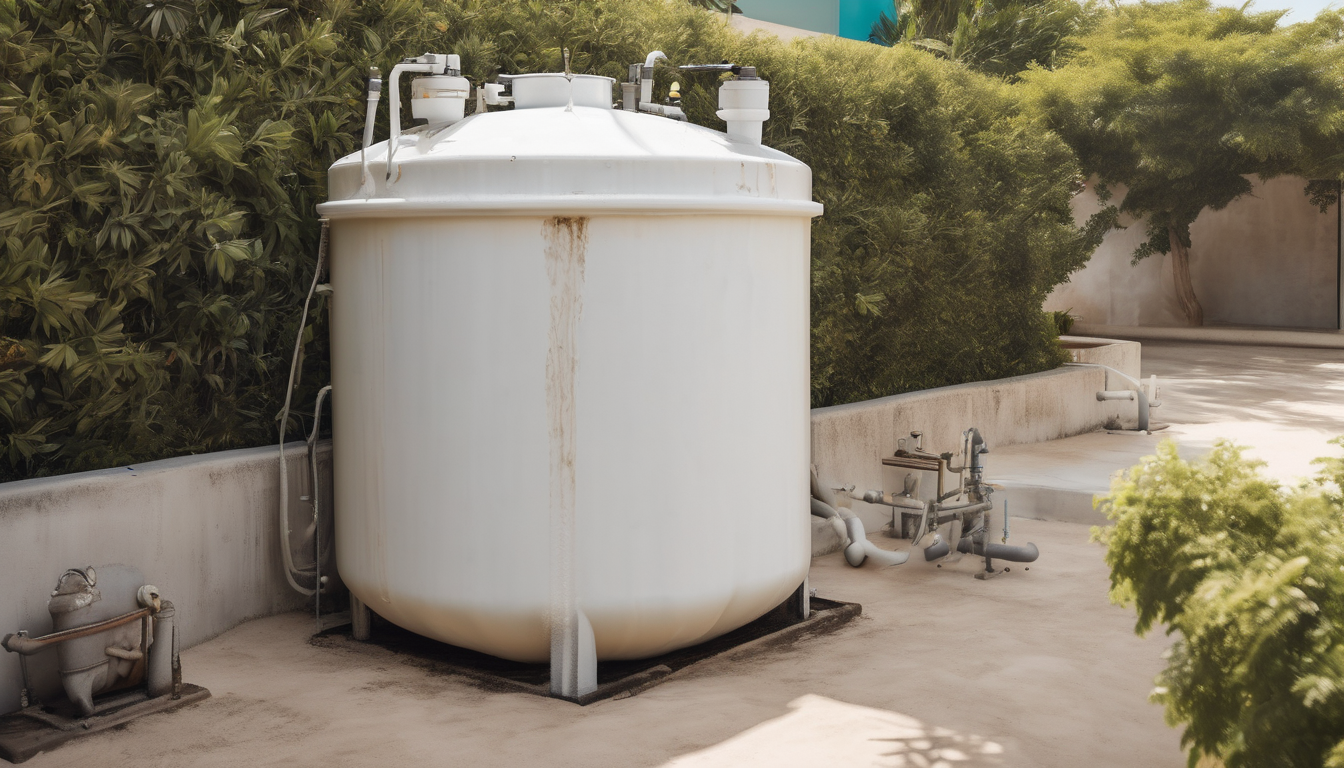
Navigating DM Inspections for Safe Water Storage Systems – Inspectors checking water tank during compliance inspection.