




Introduction to Chlorination in Water Storage
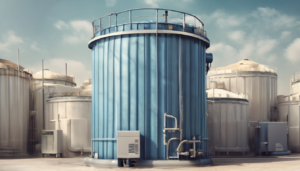
Chlorination plays a crucial role in maintaining the safety and purity of drinking water in Dubai, UAE. In high-rise buildings and apartment complexes where water storage tanks can be vulnerable to contamination, regular chlorination is vital. This article delves into how chlorination works, its benefits, and the challenges faced by property managers and residents. This relates directly to The Role Of Chlorination In Ensuring Safe Drinking Water In.
The Role Of Chlorination In Ensuring Safe Drinking Water In – Basics of Chlorine and Its Usage
Chlorine is a powerful disinfectant that has been used for decades to eliminate harmful microorganisms from water. It works by breaking down the cell walls of bacteria, viruses, and other pathogens, rendering them harmless. In residential and commercial water tanks, chlorine is typically added in small, controlled amounts through a dosing system or by manual application.
Chlorine comes in various forms: liquid (sodium hypochlorite), tablets, granules, or powder. Each form has its own advantages and should be used according to the manufacturer’s instructions for optimal results.
The Role Of Chlorination In Ensuring Safe Drinking Water In – How Chlorine Works in Water Tank Cleaning
Chlorination in water tanks involves adding a measured amount of chlorine solution to disinfect the stored water. The process typically follows these steps: When considering The Role Of Chlorination In Ensuring Safe Drinking Water In, this becomes clear.
- Pre-cleaning inspection: Inspect the tank for any visible signs of contamination, leaks, or sediment.
- Draining and isolation: Drain the tank if necessary to prevent cross-contamination. Isolate the water supply line to ensure no new contaminants enter during cleaning.
Application of chlorine: Add the appropriate amount of chlorine solution, usually based on tank volume. Ensure even distribution throughout the tank.
Rinsing and refilling: Allow sufficient time for the chlorine to work (usually overnight). Rinse the tank thoroughly before refilling with clean water.
The Role Of Chlorination In Ensuring Safe Drinking Water In – Benefits of Chlorination for Safe Drinking Water
The primary benefits of chlorination include:
- Elimination of harmful microorganisms: Chlorine effectively kills bacteria, viruses, and parasites that can cause waterborne illnesses.
- Prolonged protection: Properly chlorinated water remains safe for extended periods after the initial treatment.
- Affordability: Chlorine is a cost-effective disinfectant compared to some alternatives like UV lights or ozone systems.
Chlorine vs. Other Disinfectants: What’s Best?
While chlorine is widely used, other disinfectants such as bromine, iodine, and hydrogen peroxide are also available. Each has its own advantages and disadvantages:
- Bromine: Effective against a wide range of pathogens but more expensive than chlorine.
- Iodine: Useful for small water supplies or emergency situations, but not recommended for large-scale use due to taste and odor issues.
- H2O2: An effective oxidizer that can be used as an alternative to chlorine. However, it is more expensive and requires proper handling.
Challenges and Solutions in Chlorination
While chlorination is effective, several challenges can arise during the process:
- Inadequate dosing: Underdosing or overdosing can lead to ineffective disinfection. Proper dosage should be calculated based on tank volume and water quality.
- Contamination risks: Cross-contamination from external sources is a concern. Tanks should be isolated during the cleaning process.
- Maintenance: Regular maintenance of dosing equipment ensures consistent chlorination levels.
Expert Tips for Effective Chlorination
To ensure successful chlorination, follow these expert tips:
- Choose the right chlorine product: Consult with a professional to determine which form of chlorine is best suited for your water tank.
- Calibrate dosing equipment: Regularly check and calibrate dosing systems to ensure accurate chlorination levels.
- Monitor pH levels: Chlorine effectiveness can be affected by water pH. Adjustments may be necessary for optimal disinfection.
Frequently Asked Questions (FAQs)
Here are answers to common questions about chlorination in Dubai:
- How often should I chlorinate my water tank? The frequency depends on local regulations and water quality. Regular inspections can help determine the appropriate schedule.
- Is chlorinated water safe for consumption? Yes, properly chlorinated water is safe when used as directed. Follow all safety guidelines provided by your municipality or service provider.
- Are there any risks associated with improper chlorination? Improper dosing can lead to off-flavors and odors in the water. It’s essential to follow best practices for a safe result.
Conclusion: Importance of Regular Chlorination
Regular chlorination is crucial for maintaining the safety and quality of drinking water in Dubai, UAE, especially in high-rise buildings and apartment complexes. By understanding how chlorine works, its benefits, and potential challenges, property managers and residents can ensure their families have access to clean, safe water. Understanding The Role Of Chlorination In Ensuring Safe Drinking Water In is key to success in this area.