







Understanding Ensuring Complete Sediment Removal During Water Tank
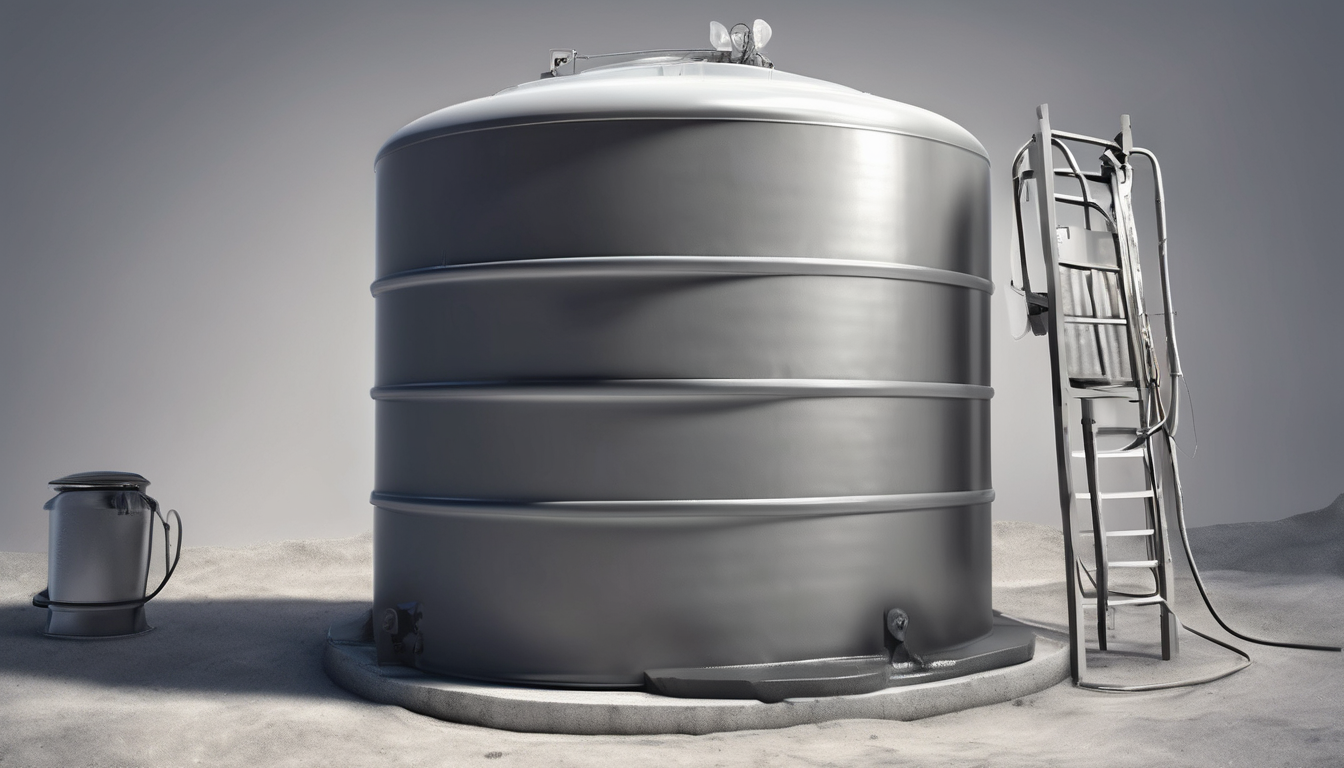
Ensuring complete sediment removal during water tank cleaning is crucial for maintaining the hygiene and quality of your drinking water. Over time, tanks can accumulate various types of sediment such as rust, dirt, and biological contaminants, which pose health risks if not properly addressed.
Identifying Sediment Remaining in Tank After Anode Rod Remov
When removing an anode rod from a water tank, it’s essential to clean the tank thoroughly afterward. The anode rod typically attracts corrosion and can release sediment during removal. Identifying these residues is critical for maintaining water quality.
Deep Cleaning Techniques for Removing Residue in Water Tanks
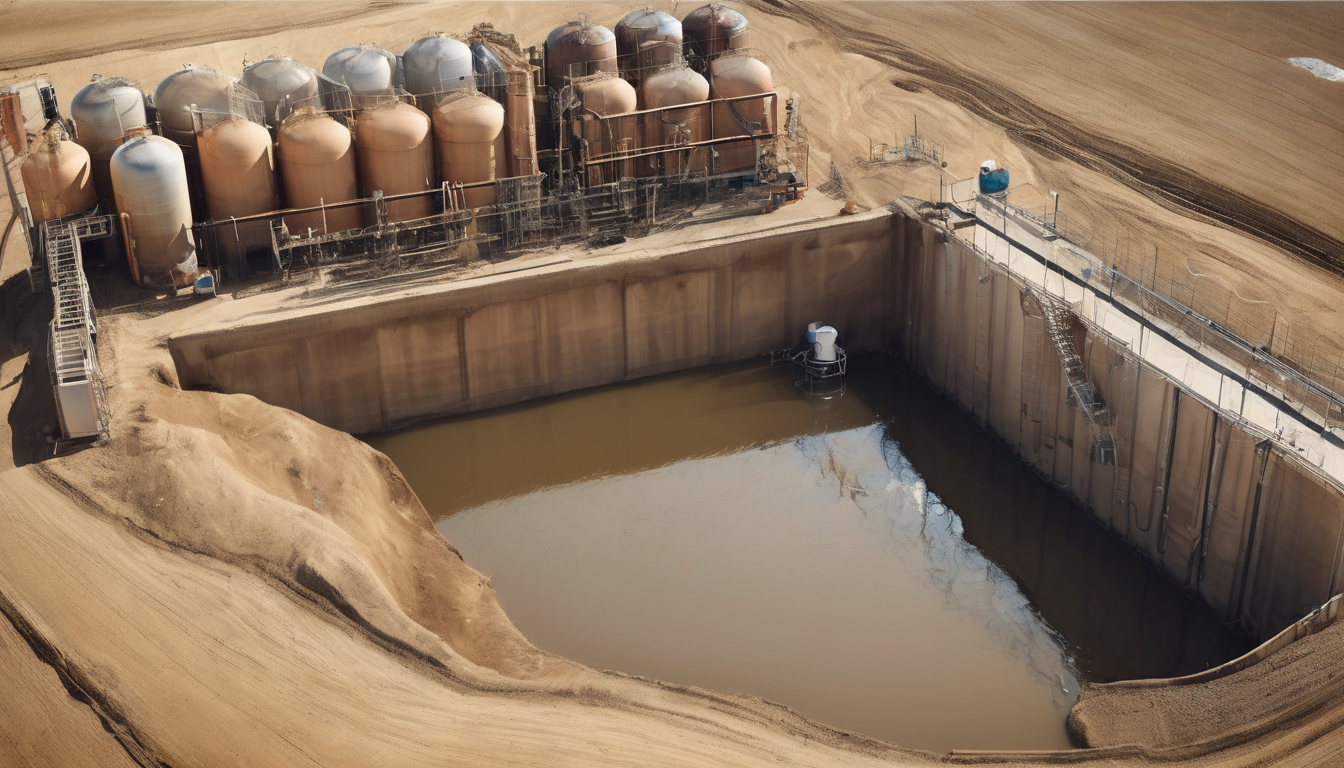
To ensure complete sediment removal, use a combination of mechanical and chemical cleaning techniques. Employ high-pressure washers to loosen and remove stubborn residues, followed by the application of suitable disinfectants to kill bacteria and eliminate remaining sediment.
Preventing Future Sediment Buildup: Best Practices After
Implementing best practices post-cleaning can help prevent future sediment buildup. Regular inspections, proper maintenance schedules, and using quality filtration systems are key to maintaining long-term water hygiene.
Common Challenges and Solutions During Sediment Removal
Sediment removal can present several challenges, such as odor issues or the release of trapped contaminants. Address these by using appropriate deodorizers and ensuring a thorough rinsing process.
Expert Tips for Complete Sediment Removal
1. Thorough Pre-Cleaning Inspection: Conduct a detailed inspection before starting the cleaning process to identify potential issues.
2. Proper Isolation and Drainage: Ensure the tank is isolated from other systems to prevent cross-contamination during cleaning.
3. Mechanical and Chemical Combinations: Use both physical scrubbing methods and chemical treatments for optimal results.
4. Regular Maintenance Programs: Schedule regular cleanings based on usage and water quality reports.
FAQ: Common Questions About Ensuring Complete Sediment Removal
1. Q: How often should I clean my water tank?
A: The frequency depends on usage, but a yearly or bi-annual cleaning is recommended.
2. Q: Can I do the cleaning myself?
A: While possible, it’s advisable to hire professionals for safe and effective results.
3. Q: What signs should I look out for during sediment removal?
A: Unusual odors or discoloration in your water are indicators that sediment may be present.
Conclusion
Ensuring complete sediment removal is vital to maintaining the hygiene and safety of your family’s drinking water. By following these guidelines, you can help prevent health risks associated with contaminated water tanks. Regular inspections, proper cleaning techniques, and maintenance programs are key steps in keeping your water clean.