

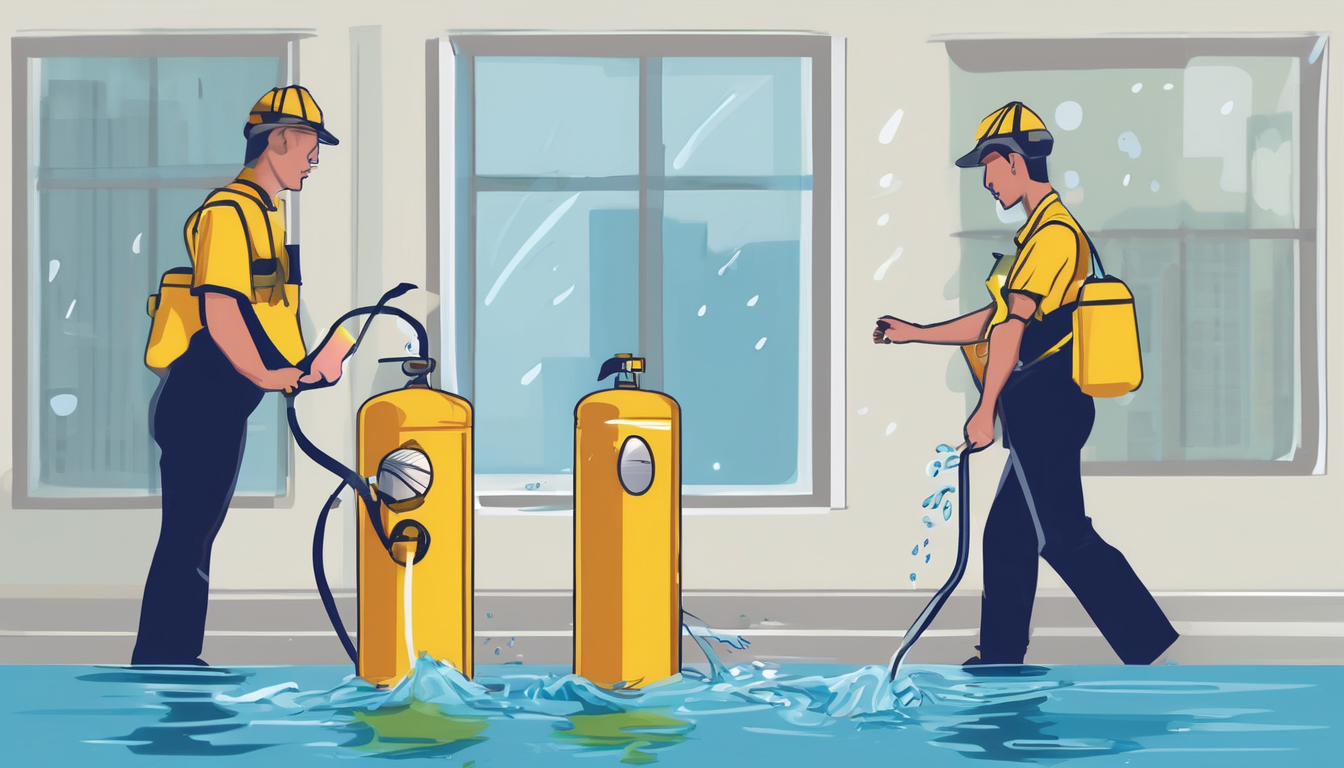

How to prepare for a Water Emergency Guide
Understanding Prepare For A Water Emergency is essential. Water emergencies can strike unexpectedly, leaving many households and businesses unprepared. Whether due to droughts, natural disasters, or contamination incidents, understanding how to prepare is crucial. This guide will walk you through the essential steps to ensure your water supply remains safe and reliable during any crisis.
Understanding How to Prepare for a Water Emergency
Water emergencies can range from short-term issues, such as temporary disruptions in supply, to long-term crises like prolonged droughts or severe contamination. Regardless of the severity, being prepared is key to maintaining hygiene and safety during these times.
The Importance of Preparedness
Water emergencies can lead to health risks, property damage, and economic loss. By preparing in advance, you ensure that your household or business has the necessary resources to sustain daily operations without interruption.
Create an Emergency Water Supply
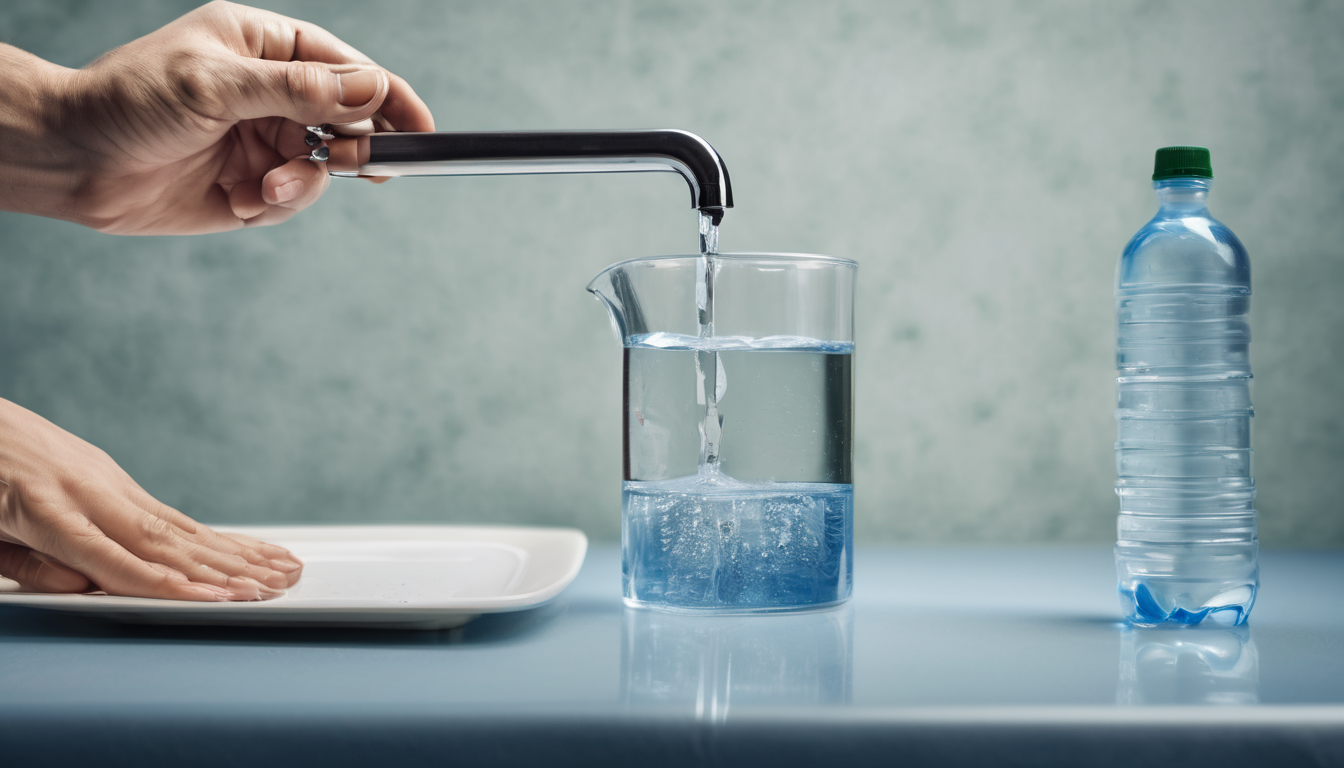
An emergency water supply is a critical component of any preparedness plan. Follow these steps to set up a reliable backup system:
- Assess Your Needs: Determine the number of people in your household and calculate daily consumption requirements, typically 3-5 gallons per person.
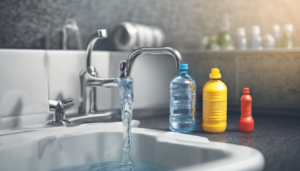
- Store Safe Water: Use clean, sealed containers to store at least a three-day supply. Rotate stocks regularly to ensure freshness.
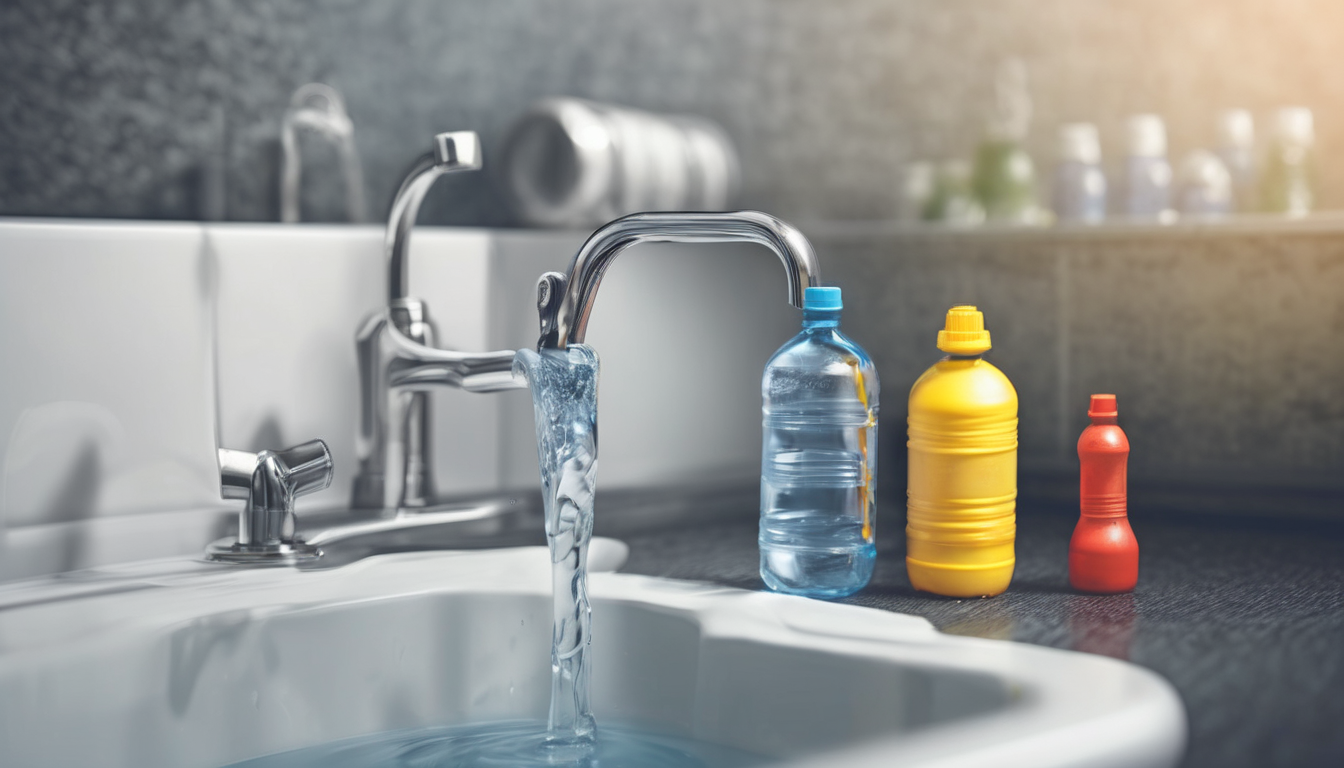
- Consider Portable Filters: Invest in portable water filters that can be used in emergency situations when taps run dry.
Maintain Adequate Storage
Store water in a cool, dark place away from direct sunlight to prevent contamination. Check the seals on containers periodically and replace them if damaged or expired.
Test and Maintain Water Quality During Emergencies
Even with prepared supplies, maintaining water quality is crucial during an emergency:
- Regular Testing: Use test kits or contact local health authorities to monitor water quality.
- Filtration Methods: Employ filtration techniques like activated carbon filters and UV sterilizers for added protection.
Implementing Proper Maintenance
To keep your water supply safe, practice regular maintenance. Change filter cartridges as recommended by manufacturers to ensure maximum efficacy.
Stocking Non-Potable Water Supplies
Non-potable water is not intended for drinking but can be used for washing and other non-essential uses:
- Identify Collection Points: Designate areas in your property where rainwater or greywater can be collected.
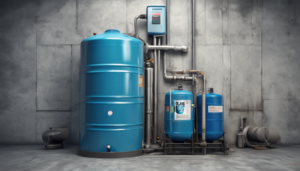
- Install Storage Tanks: Purchase appropriately sized tanks to collect large volumes of water.
Utilizing Collected Water Safely
Use non-potable water for tasks like laundry, mopping floors, and flushing toilets. Mark these containers clearly to avoid confusion during an emergency.
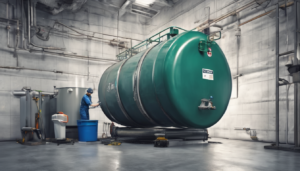
Ensuring Safe Chlorination of Emergency Tanks
Chlorination is a critical step in maintaining water safety:
- Select DM-Approved Chemicals: Use chlorine-based solutions approved by the Dubai Municipality for disinfection.
- Follow Manufacturer Guidelines: Read and adhere to manufacturer instructions for proper application rates.
Monitoring Chlorine Levels
After chlorination, test chlorine levels periodically to ensure they remain within safe parameters. Use test strips or kits as directed by the manufacturer.
Expert Tips for Water Emergencies
- Stay Informed: Follow local news and updates from authorities to stay informed about water advisories and alerts.
- Practice Hygiene: Encourage hand washing with soap and clean, potable water. Use alcohol-based sanitizers if necessary.
FAQ Section: Answers to Common Questions
- Q1: How long can I store emergency water?
- A1: Ideally, rotate stocks every six months. Store in cool, dark places for optimal longevity.
- Q2: Can I use bottled water during an emergency?
- A2: Yes, but ensure it is sealed and unopened. Consider the expiration date before using.
- Q3: How do I treat contaminated water?
- A3: Boil water for at least one minute or use a portable filter to remove contaminants.
Conclusion: How to Prepare for a Water Emergency
Preparing for water emergencies is an essential part of any household’s and business’s safety plan. By setting up emergency supplies, maintaining water quality, chlorinating tanks properly, and staying informed, you can ensure that your family and staff have access to safe drinking water during times of need. Understanding Prepare For A Water Emergency is key to success in this area.