


Al Joud Centre, Office 115, 15 A St, Sheikh Zayed Road, Al Quoz Ind. 1, Dubai, UAE

Edit Content

Air

    • Residential AC Cleaning
    • Corporate AC Cleaning
    • Indoor Air Quality Testing

Water

    • Water Tank Cleaning
    • Whole House Filtration
    • Water Testing

Surface

    • Pest / Termite Control
    • Hygienization Deep Cleaning
    • Mould Remediation
    • Surface Disinfection
    • Surface Testing

Concepts

    • SaniFlex
    • Pristine 
 

#trending on SaniEx

Advanced Techniques for Removing Algae from Plastic Water - A step-by-step guide to clean plastic water tanks in Dubai, UAE.

Algae From Plastic Water: Advanced Techniques For Removing

Understanding Advanced Techniques for Removing Algae From Plastic Water is essential. — Advanced Techniques for Removing Algae from Plastic Water Table of Contents Understanding Algae in Plastic Water Tanks Identification and Assessment of Algae Growth Preparation for Cleaning Chemical-Free Removal

Read More »
Featured image for: Preventive Maintenance Tips For Plastic Water Tank Cleaning

Plastic Water Tank: Preventive Maintenance Tips For

Understanding Preventive Maintenance Tips For Plastic Water Tank Cleaning is essential. — Understanding Preventive Maintenance Tips for Plastic Water Tank Cleaning Guide for 5 Key Results Table of Contents Understanding Preventive Maintenance Tips for Plastic Water Tank Cleaning Why Regular

Read More »
post-header

Understanding Preventive Maintenance Tips For Plastic Water Tank Cleaning is essential. —

<br /> Understanding Preventive Maintenance Tips for Plastic Water Tank Cleaning Guide for 5 Key Results<br />

Understanding Preventive Maintenance Tips for Plastic Water Tank Cleaning

Regular maintenance of plastic water tanks is crucial to ensure clean, safe, and hygienic drinking water in Dubai, Abu Dhabi, and Sharjah. This article will guide you through essential preventive tips that can help protect your family’s health by preventing contamination and ensuring a consistent supply of potable water.

Why Regular Cleanings Are Important

Plastic water tanks, while durable, are susceptible to accumulation of sediment, algae, and biofilm over time. These contaminants can negatively impact the taste, smell, and overall quality of your drinking water. Additionally, poor hygiene conditions can pose health risks such as gastrointestinal issues or other infections.

How to Identify Contaminants in Plastic Water Tanks

Common signs that your plastic water tank may need cleaning include:

  • A foul smell coming from the tank or taps
  • Dirt, sediment, or visible debris at the bottom of the tank
  • Cloudy or discolored water
  • A change in taste or appearance of the water

Regular visual inspections and tests can help identify these issues before they become more severe.

Safe Chemicals for Disinfecting Plastic Water Storage Tanks

When selecting chemicals for disinfection, it’s essential to choose products that are DM-approved and safe for use in plastic tanks. Commonly used solutions include chlorine-based compounds, peroxyacetic acid, and sodium hypochlorite. Always follow the manufacturer’s instructions carefully and ensure proper dilution before application.

Advanced Algae Removal During Water Tank Cleaning and Disinfection

Algae can thrive in plastic water tanks, leading to slime formation and the release of harmful toxins. To effectively remove algae: This relates directly to Preventive Maintenance Tips For Plastic Water Tank Cleaning.

  • Thoroughly clean the tank walls with a scrub brush or pressure washer.
  • Apply a disinfectant solution as per manufacturer guidelines.
  • Allow sufficient dwell time for the chemical to work before rinsing thoroughly.

Preventing Sediment Buildup in Plastic Water Tanks

Sediment accumulation can be minimized by:

  • Regularly flushing the system to remove loose particles.
  • Ensuring proper filtration systems are in place.
  • Cleaning and inspecting the tank at least twice a year, depending on usage and environmental factors.

How to Ensure Safe and Hygienic Water Storage

Follow these steps to maintain safe water storage:

  1. Clean the tank thoroughly with a suitable detergent or chemical.
  2. Disinfect the interior using DM-approved solutions.
  3. Rinse and refill the tank with clean water to remove any residual chemicals.
  4. Regularly inspect for cracks, leaks, and signs of contamination.

Expert Tips for Preventive Maintenance of Plastic Water Tanks

To keep your plastic water tank in top condition:

  • Consult a certified professional to ensure the right chemicals and techniques are used.
  • Develop a maintenance schedule based on usage patterns and local conditions.
  • Use DM-approved cleaning procedures for safety and compliance.
  • Store water samples regularly to monitor quality over time.

Frequently Asked Questions About Plastic Water Tank Cleaning

  1. Q: How often should I clean my plastic water tank?
  2. A: For most households, a thorough cleaning and disinfection every six months to one year is recommended.

  3. Q: Can I do the cleaning myself or must it be done by professionals?
  4. A: While some basic maintenance tasks can be self-managed, professional assistance is advised for comprehensive disinfections and ensuring all safety regulations are met.

  5. Q: What signs should I look out for that indicate a need for cleaning?
  6. A: Look for changes in water color, taste, or smell; visible sediment at the bottom of the tank; or a foul odor emanating from the system.

Conclusion: Preventive Maintenance Tips for Plastic Water Tank Cleaning Guide

Regular preventive maintenance is vital to keep your plastic water tanks clean and hygienic. By following these tips, you can ensure that the water supply in your home or building remains safe and of high quality. Remember, a little effort now goes a long way in protecting family health and maintaining compliance with local regulations.
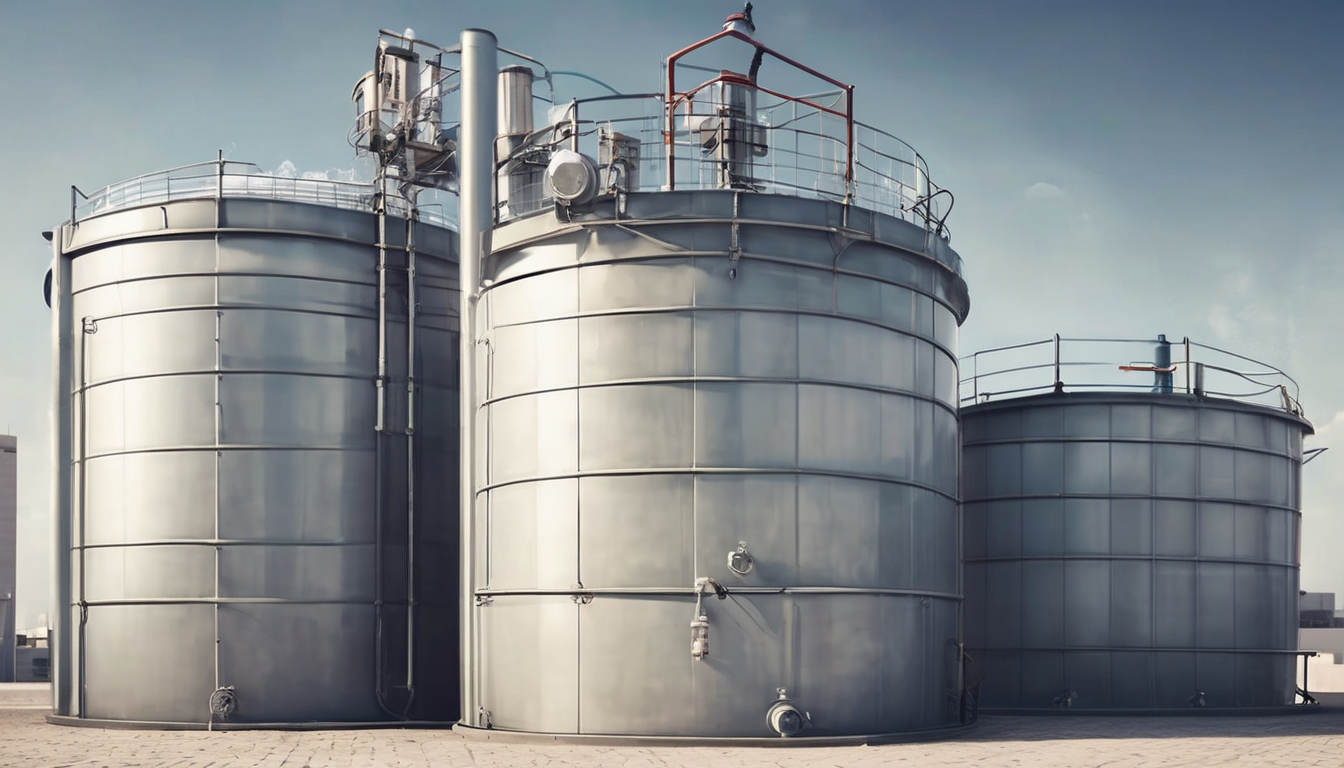
Understanding Preventive Maintenance Tips for Plastic Water Tank Cleaning

Regular maintenance of plastic water tanks is crucial to ensure clean, safe, and hygienic drinking water in Dubai, Abu Dhabi, and Sharjah. This article will guide you through essential preventive tips that can help protect your family’s health by preventing contamination and ensuring a consistent supply of potable water.

Why Regular Cleanings Are Important

Plastic water tanks, while durable, are susceptible to accumulation of sediment, algae, and biofilm over time. These contaminants can negatively impact the taste, smell, and overall quality of your drinking water. Additionally, poor hygiene conditions can pose health risks such as gastrointestinal issues or other infections.

How to Identify Contaminants in Plastic Water Tanks

Common signs that your plastic water tank may need cleaning include:

  • A foul smell coming from the tank or taps
  • Dirt, sediment, or visible debris at the bottom of the tank
  • Cloudy or discolored water
  • A change in taste or appearance of the water

Regular visual inspections and tests can help identify these issues before they become more severe.

Safe Chemicals for Disinfecting Plastic Water Storage Tanks

When selecting chemicals for disinfection, it’s essential to choose products that are DM-approved and safe for use in plastic tanks. Commonly used solutions include chlorine-based compounds, peroxyacetic acid, and sodium hypochlorite. Always follow the manufacturer’s instructions carefully and ensure proper dilution before application.

Advanced Algae Removal During Water Tank Cleaning and Disinfection

Algae can thrive in plastic water tanks, leading to slime formation and the release of harmful toxins. To effectively remove algae: When considering Preventive Maintenance Tips For Plastic Water Tank Cleaning, this becomes clear.

  • Thoroughly clean the tank walls with a scrub brush or pressure washer.
  • Apply a disinfectant solution as per manufacturer guidelines.
  • Allow sufficient dwell time for the chemical to work before rinsing thoroughly.

Preventing Sediment Buildup in Plastic Water Tanks

Sediment accumulation can be minimized by:

  • Regularly flushing the system to remove loose particles.
  • Ensuring proper filtration systems are in place.
  • Cleaning and inspecting the tank at least twice a year, depending on usage and environmental factors.

How to Ensure Safe and Hygienic Water Storage

Follow these steps to maintain safe water storage:

  1. Clean the tank thoroughly with a suitable detergent or chemical.
  2. Disinfect the interior using DM-approved solutions.
  3. Rinse and refill the tank with clean water to remove any residual chemicals.
  4. Regularly inspect for cracks, leaks, and signs of contamination.

Expert Tips for Preventive Maintenance of Plastic Water Tanks

To keep your plastic water tank in top condition:

  • Consult a certified professional to ensure the right chemicals and techniques are used.
  • Develop a maintenance schedule based on usage patterns and local conditions.
  • Use DM-approved cleaning procedures for safety and compliance.
  • Store water samples regularly to monitor quality over time.

Frequently Asked Questions About Plastic Water Tank Cleaning

  1. Q: How often should I clean my plastic water tank?
  2. A: For most households, a thorough cleaning and disinfection every six months to one year is recommended.

  3. Q: Can I do the cleaning myself or must it be done by professionals?
  4. A: While some basic maintenance tasks can be self-managed, professional assistance is advised for comprehensive disinfections and ensuring all safety regulations are met.

  5. Q: What signs should I look out for that indicate a need for cleaning?
  6. A: Look for changes in water color, taste, or smell; visible sediment at the bottom of the tank; or a foul odor emanating from the system.

Conclusion: Preventive Maintenance Tips for Plastic Water Tank Cleaning Guide

Regular preventive maintenance is vital to keep your plastic water tanks clean and hygienic. By following these tips, you can ensure that the water supply in your home or building remains safe and of high quality. Remember, a little effort now goes a long way in protecting family health and maintaining compliance with local regulations.
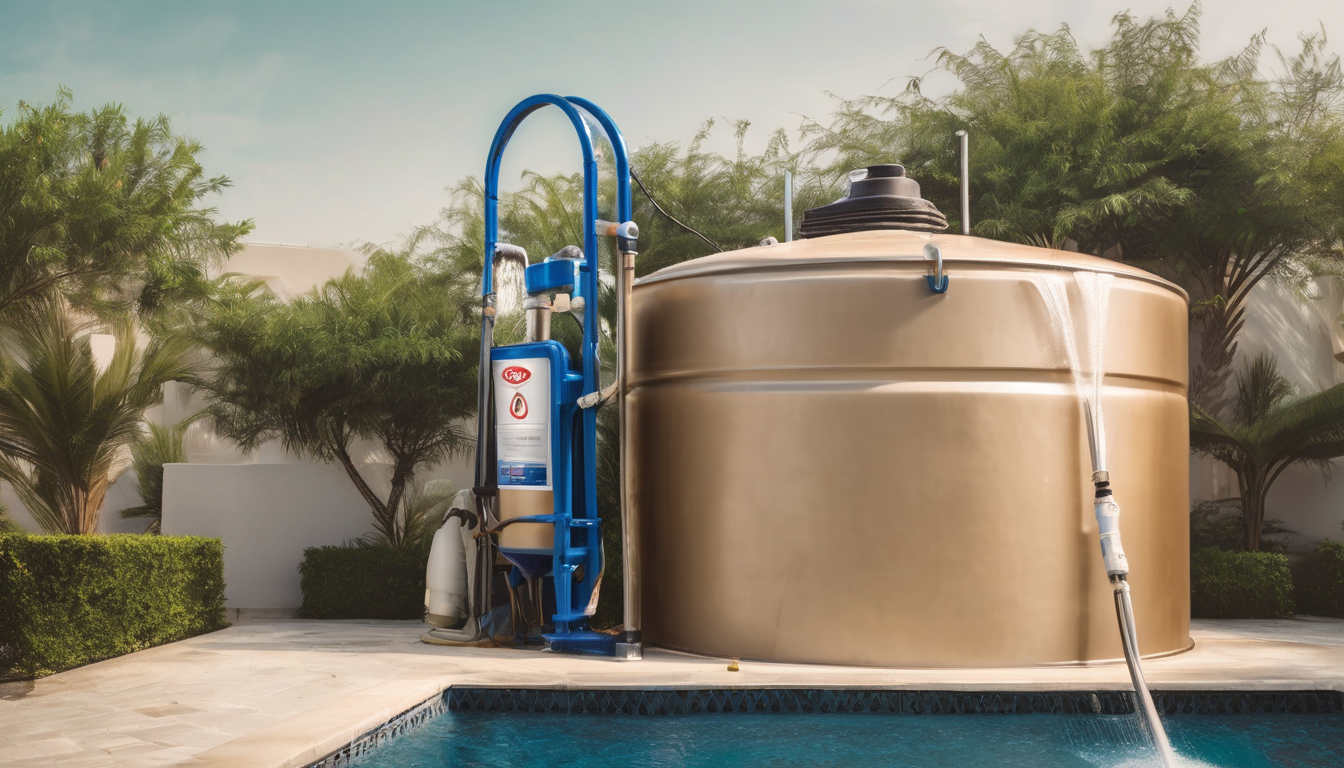
Understanding Preventive Maintenance Tips for Plastic Water Tank Cleaning

Regular maintenance of plastic water tanks is crucial to ensure clean, safe, and hygienic drinking water in Dubai, Abu Dhabi, and Sharjah. This article will guide you through essential preventive tips that can help protect your family’s health by preventing contamination and ensuring a consistent supply of potable water.

Why Regular Cleanings Are Important

Plastic water tanks, while durable, are susceptible to accumulation of sediment, algae, and biofilm over time. These contaminants can negatively impact the taste, smell, and overall quality of your drinking water. Additionally, poor hygiene conditions can pose health risks such as gastrointestinal issues or other infections.

How to Identify Contaminants in Plastic Water Tanks

Common signs that your plastic water tank may need cleaning include:

  • A foul smell coming from the tank or taps
  • Dirt, sediment, or visible debris at the bottom of the tank
  • Cloudy or discolored water
  • A change in taste or appearance of the water

Regular visual inspections and tests can help identify these issues before they become more severe.

Safe Chemicals for Disinfecting Plastic Water Storage Tanks

When selecting chemicals for disinfection, it’s essential to choose products that are DM-approved and safe for use in plastic tanks. Commonly used solutions include chlorine-based compounds, peroxyacetic acid, and sodium hypochlorite. Always follow the manufacturer’s instructions carefully and ensure proper dilution before application.

Advanced Algae Removal During Water Tank Cleaning and Disinfection

Algae can thrive in plastic water tanks, leading to slime formation and the release of harmful toxins. To effectively remove algae: The importance of Preventive Maintenance Tips For Plastic Water Tank Cleaning is evident here.

  • Thoroughly clean the tank walls with a scrub brush or pressure washer.
  • Apply a disinfectant solution as per manufacturer guidelines.
  • Allow sufficient dwell time for the chemical to work before rinsing thoroughly.

Preventing Sediment Buildup in Plastic Water Tanks

Sediment accumulation can be minimized by:

  • Regularly flushing the system to remove loose particles.
  • Ensuring proper filtration systems are in place.
  • Cleaning and inspecting the tank at least twice a year, depending on usage and environmental factors.

How to Ensure Safe and Hygienic Water Storage

Follow these steps to maintain safe water storage:

  1. Clean the tank thoroughly with a suitable detergent or chemical.
  2. Disinfect the interior using DM-approved solutions.
  3. Rinse and refill the tank with clean water to remove any residual chemicals.
  4. Regularly inspect for cracks, leaks, and signs of contamination.

Expert Tips for Preventive Maintenance of Plastic Water Tanks

To keep your plastic water tank in top condition:

  • Consult a certified professional to ensure the right chemicals and techniques are used.
  • Develop a maintenance schedule based on usage patterns and local conditions.
  • Use DM-approved cleaning procedures for safety and compliance.
  • Store water samples regularly to monitor quality over time.

Frequently Asked Questions About Plastic Water Tank Cleaning

  1. Q: How often should I clean my plastic water tank?
  2. A: For most households, a thorough cleaning and disinfection every six months to one year is recommended.

  3. Q: Can I do the cleaning myself or must it be done by professionals?
  4. A: While some basic maintenance tasks can be self-managed, professional assistance is advised for comprehensive disinfections and ensuring all safety regulations are met.

  5. Q: What signs should I look out for that indicate a need for cleaning?
  6. A: Look for changes in water color, taste, or smell; visible sediment at the bottom of the tank; or a foul odor emanating from the system.

Conclusion: Preventive Maintenance Tips for Plastic Water Tank Cleaning Guide

Regular preventive maintenance is vital to keep your plastic water tanks clean and hygienic. By following these tips, you can ensure that the water supply in your home or building remains safe and of high quality. Remember, a little effort now goes a long way in protecting family health and maintaining compliance with local regulations.

Understanding Preventive Maintenance Tips for Plastic Water Tank Cleaning

Regular maintenance of plastic water tanks is crucial to ensure clean, safe, and hygienic drinking water in Dubai, Abu Dhabi, and Sharjah. This article will guide you through essential preventive tips that can help protect your family’s health by preventing contamination and ensuring a consistent supply of potable water.

Why Regular Cleanings Are Important

Plastic water tanks, while durable, are susceptible to accumulation of sediment, algae, and biofilm over time. These contaminants can negatively impact the taste, smell, and overall quality of your drinking water. Additionally, poor hygiene conditions can pose health risks such as gastrointestinal issues or other infections.

How to Identify Contaminants in Plastic Water Tanks

Common signs that your plastic water tank may need cleaning include:

  • A foul smell coming from the tank or taps
  • Dirt, sediment, or visible debris at the bottom of the tank
  • Cloudy or discolored water
  • A change in taste or appearance of the water

Regular visual inspections and tests can help identify these issues before they become more severe.

Safe Chemicals for Disinfecting Plastic Water Storage Tanks

When selecting chemicals for disinfection, it’s essential to choose products that are DM-approved and safe for use in plastic tanks. Commonly used solutions include chlorine-based compounds, peroxyacetic acid, and sodium hypochlorite. Always follow the manufacturer’s instructions carefully and ensure proper dilution before application.

Advanced Algae Removal During Water Tank Cleaning and Disinfection

Algae can thrive in plastic water tanks, leading to slime formation and the release of harmful toxins. To effectively remove algae: Understanding Preventive Maintenance Tips For Plastic Water Tank Cleaning is key to success in this area.

  • Thoroughly clean
Previous post
Next post
Related Posts
Leave a Reply

Your email address will not be published. Required fields are marked *