


Al Joud Centre, Office 115, 15 A St, Sheikh Zayed Road, Al Quoz Ind. 1, Dubai, UAE

Edit Content

Air

    • Residential AC Cleaning
    • Corporate AC Cleaning
    • Indoor Air Quality Testing

Water

    • Water Tank Cleaning
    • Whole House Filtration
    • Water Testing

Surface

    • Pest / Termite Control
    • Hygienization Deep Cleaning
    • Mould Remediation
    • Surface Disinfection
    • Surface Testing

Concepts

    • SaniFlex
    • Pristine 
 

#trending on SaniEx

Advanced Techniques for Removing Algae from Plastic Water - A step-by-step guide to clean plastic water tanks in Dubai, UAE.

Algae From Plastic Water: Advanced Techniques For Removing

Understanding Advanced Techniques for Removing Algae From Plastic Water is essential. — Advanced Techniques for Removing Algae from Plastic Water Table of Contents Understanding Algae in Plastic Water Tanks Identification and Assessment of Algae Growth Preparation for Cleaning Chemical-Free Removal

Read More »
Featured image for: Preventive Maintenance Tips For Plastic Water Tank Cleaning

Plastic Water Tank: Preventive Maintenance Tips For

Understanding Preventive Maintenance Tips For Plastic Water Tank Cleaning is essential. — Understanding Preventive Maintenance Tips for Plastic Water Tank Cleaning Guide for 5 Key Results Table of Contents Understanding Preventive Maintenance Tips for Plastic Water Tank Cleaning Why Regular

Read More »
post-header

Understanding Clean A Plastic Water Storage Tank is essential. —

<title id="how-to-clean-plastic-water-storage-tank”>How to Clean a Plastic Water Storage Tank Guide for Comprehensive Hygiene

Understanding How to Clean a Plastic Water Storage Tank

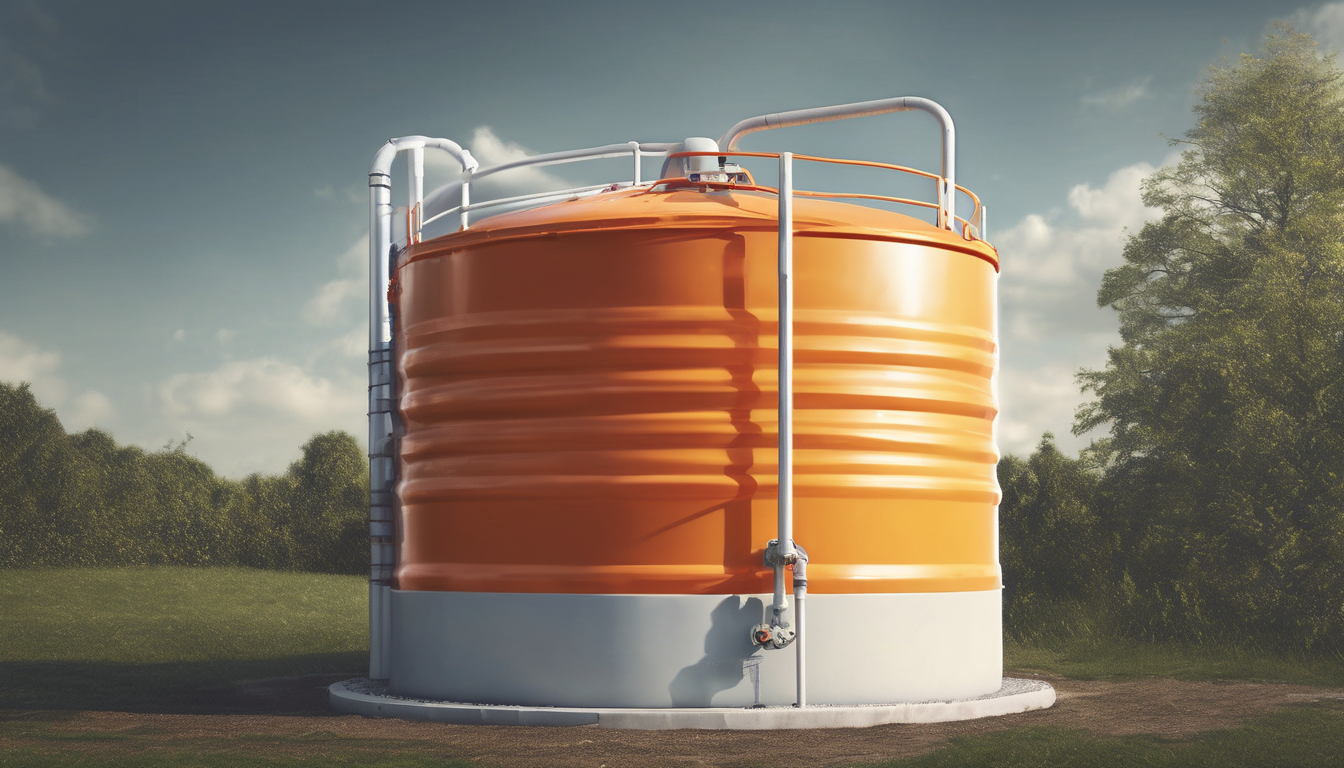
Plastic water storage tanks are an essential part of residential, commercial, and industrial water systems. They play a critical role in ensuring a consistent supply of clean water. However, like any other storage system, these tanks require regular cleaning to prevent the buildup of contaminants, sediments, and algae that can affect water quality and hygiene. This relates directly to Clean A Plastic Water Storage Tank.

Clean A Plastic Water Storage Tank – Why You Need to Clean Your Plastic Water Storage Tank

Regular cleaning is crucial for maintaining the integrity of your plastic water storage tank. Here are some reasons why:

  • To remove contaminants: Over time, particles such as rust, scale, and biological growth can accumulate in the tank.
  • To maintain water quality: Cleaning ensures that the water you consume or use is free from harmful substances.
  • To prevent biofilm formation: Biofilms can harbor bacteria and other pathogens, posing a risk to public health.

Clean A Plastic Water Storage Tank: Preparing for the Cleaning Process

Before you begin the cleaning process, it’s essential to ensure that the tank is properly isolated from the water supply. This step helps prevent leaks and cross-contamination during the cleaning procedure. When considering Clean A Plastic Water Storage Tank, this becomes clear.

  1. Isolate the Tank: Shut off the main water supply valve serving the tank.
  2. Drain the Water: Open all taps in the system to release any remaining water from the pipes and into the tank. Ensure that the tank is completely empty before starting the cleaning process.
  3. Remove Access Panels: If your tank has access panels, remove them to gain better access for cleaning.

Cleaning Procedures and Methods

The cleaning process involves a combination of manual and mechanical methods. Here’s how you can proceed step-by-step:

  1. Inspect the Tank Internally: Visually inspect the interior surfaces for any visible contaminants, biofilm, or debris.
  2. Use a Soft Brush: Employ a soft-bristled brush to remove loose sediment and biofilm from the tank walls. Be gentle to avoid damaging the plastic surface.
  3. Rinse Thoroughly: Use clean water to rinse away any debris and residues left behind by the brushing process.

Disinfection of Plastic Water Storage Tanks

Disinfection is a critical step in ensuring that the tank remains free from harmful microorganisms. Use only Dubai Municipality-approved disinfectants for this process. The importance of Clean A Plastic Water Storage Tank is evident here.

  1. Apply Disinfectant Solution: Mix the recommended solution according to the manufacturer’s instructions and pour it into the tank.
  2. Let It Dwell: Allow the solution to dwell in the tank for the specified time. This period is crucial for effective disinfection.
  3. Rinse Thoroughly: After the dwell time, flush the tank with clean water until there are no traces of the disinfectant left.

Preventing Recontamination After Cleaning

To avoid recontamination after cleaning, ensure that all surfaces and components are thoroughly rinsed. Proper sealing is also vital to prevent any external contaminants from entering the tank again.

  1. Seal Access Panels: Once the tank has been cleaned and disinfected, replace the access panels securely.
  2. Reconnect the System: Reopen the main water supply valve and allow clean water to flow through the system for a few minutes before using any taps or appliances.

Post-Cleaning Maintenance and Inspection

To ensure long-term hygiene, follow these post-cleaning maintenance practices:

  1. Regular Inspections: Schedule regular inspections to check for any signs of contamination or damage.
  2. Record Keeping: Maintain detailed records of cleaning and disinfection activities. This documentation is crucial for compliance and future reference.

Expert Tips for Effective Tank Cleaning

To ensure the best results, follow these expert tips:

  1. Use Appropriate Equipment: Employ soft brushes and cleaning agents to avoid damaging the tank’s surface.
  2. Follow Manufacturer Guidelines: Always adhere to the instructions provided by the manufacturer for disinfectants and other chemicals used in the process.

FAQ About Plastic Water Storage Tank Cleaning

Here are some frequently asked questions about cleaning plastic water storage tanks:

  1. How often should I clean my tank? The frequency depends on usage and local regulations. However, a minimum of once every 6 months is recommended.
  2. Can I use any type of cleaner for the tank? No, only Dubai Municipality-approved cleaners are suitable to avoid damaging the plastic surface.

Conclusion

Cleaning your plastic water storage tank is a crucial step in maintaining the safety and quality of your drinking water. By following these comprehensive guidelines, you can ensure that your system remains free from contaminants and biofilms, providing clean and safe water for you and your family.
Understanding How to Clean a Plastic Water Storage Tank

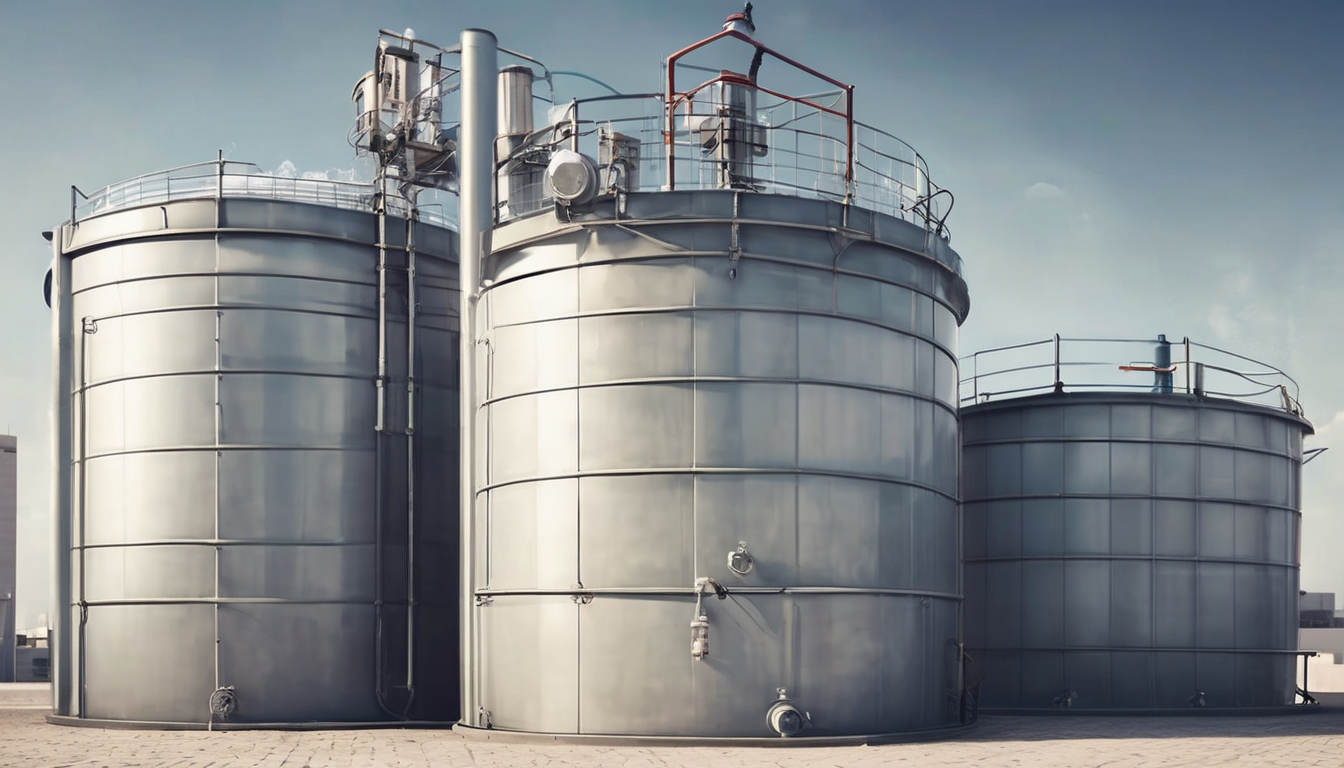
Plastic water storage tanks are an integral part of many residential, commercial, and industrial water systems. These tanks play a critical role in ensuring a consistent supply of clean water for daily use. However, regular cleaning is essential to maintain the integrity of these tanks, prevent contamination, and ensure that your drinking water remains safe. Understanding Clean A Plastic Water Storage Tank helps with this aspect.

Why You Need to Clean Your Plastic Water Storage Tank

Regular cleaning is crucial for maintaining the quality of your water and preventing the buildup of contaminants. Here are some key reasons why you should clean your plastic water storage tank:

  • To Remove Contaminants: Over time, particles such as rust, scale, and biological growth can accumulate in the tank, potentially affecting the taste and quality of your drinking water.
  • To Maintain Water Quality: Cleaning ensures that the water you consume is free from harmful substances, reducing the risk of health issues related to contaminated water.
  • To Prevent Biofilm Formation: Biofilms can harbor bacteria and other pathogens, posing a significant risk to public health. Regular cleaning helps prevent these biofilms from forming.

Preparing for the Cleaning Process

Before you begin the cleaning process, it’s essential to ensure that your tank is properly isolated from the water supply. This step helps prevent leaks and cross-contamination during the cleaning procedure. Clean A Plastic Water Storage Tank factors into this consideration.

  1. Isolate the Tank: Shut off the main water supply valve serving the tank. This ensures that no additional water can enter while you clean the system.
  2. Drain the Water: Open all taps in your home to release any remaining water from the pipes and into the tank. Ensure that the tank is completely empty before starting the cleaning process.
  3. Remove Access Panels: If your tank has access panels, remove them to gain better access for cleaning. This step allows you to reach all areas of the interior surfaces more easily.

Cleaning Procedures and Methods

The cleaning process involves a combination of manual and mechanical methods. Here’s how you can proceed step-by-step:

  1. Inspect the Tank Internally: Visually inspect the interior surfaces for any visible contaminants, biofilm, or debris. This inspection helps identify areas that need thorough cleaning.
  2. Use a Soft Brush: Employ a soft-bristled brush to remove loose sediment and biofilm from the tank walls. Be gentle to avoid damaging the plastic surface. Use gentle scrubbing techniques to prevent scratching.
  3. Rinse Thoroughly: Use clean water to rinse away any debris and residues left behind by the brushing process. This step ensures that all surfaces are free of contaminants before proceeding with disinfection.

Disinfection of Plastic Water Storage Tanks

Disinfection is a critical step in ensuring that the tank remains free from harmful microorganisms. Use only Dubai Municipality-approved disinfectants for this process. This relates directly to Clean A Plastic Water Storage Tank.

  1. Apply Disinfectant Solution: Mix the recommended solution according to the manufacturer’s instructions and pour it into the tank. Follow proper safety guidelines when handling chemicals, including wearing gloves and protective eyewear.
  2. Let It Dwell: Allow the solution to dwell in the tank for the specified time. This period is crucial for effective disinfection. Typically, this can range from 12 to 24 hours, depending on the product used.
  3. Rinse Thoroughly: After the dwell time, flush the tank with clean water until there are no traces of the disinfectant left. This step ensures that any residual chemicals are removed before you reintroduce the system to your water supply.

Preventing Recontamination After Cleaning

To avoid recontamination after cleaning, ensure that all surfaces and components are thoroughly rinsed. Proper sealing is also vital to prevent any external contaminants from entering the tank again.

  1. Seal Access Panels: Once the tank has been cleaned and disinfected, replace the access panels securely. Ensure that they fit tightly to maintain a barrier against external contaminants.
  2. Reconnect the System: Reopen the main water supply valve and allow clean water to flow through the system for a few minutes before using any taps or appliances. This step helps flush out any remaining particles in the lines.

Post-Cleaning Maintenance and Inspection

To ensure long-term hygiene, follow these post-cleaning maintenance practices:

  1. Regular Inspections: Schedule regular inspections to check for any signs of contamination or damage. This practice helps you identify issues early and maintain optimal water quality.
  2. Record Keeping: Maintain detailed records of cleaning and disinfection activities. Documentation is crucial for compliance and future reference, ensuring that your system remains in good condition over time.

Expert Tips for Effective Tank Cleaning

To ensure the best results, follow these expert tips:

  1. Use Appropriate Equipment: Employ soft brushes and cleaning agents to avoid damaging the tank’s surface. Using harsh chemicals or rough tools can compromise the integrity of the plastic.
  2. Follow Manufacturer Guidelines: Always adhere to the instructions provided by the manufacturer for disinfectants and other chemicals used in the process. This adherence ensures that you achieve optimal cleaning results while protecting your tank from damage.

FAQ About Plastic Water Storage Tank Cleaning

Here are some frequently asked questions about cleaning plastic water storage tanks:

  1. How often should I clean my tank? The frequency depends on usage and local regulations. However, a minimum of once every 6 months is recommended to ensure that your system remains free from contaminants.
  2. Can I use any type of cleaner for the tank? No, only Dubai Municipality-approved cleaners are suitable to avoid damaging the plastic surface. Using inappropriate chemicals can lead to cracks or other damage, compromising the integrity of the tank.

Conclusion

Cleaning your plastic water storage tank is a crucial step in maintaining the safety and quality of your drinking water. By following these comprehensive guidelines, you can ensure that your system remains free from contaminants and biofilms, providing clean and safe water for you and your family.
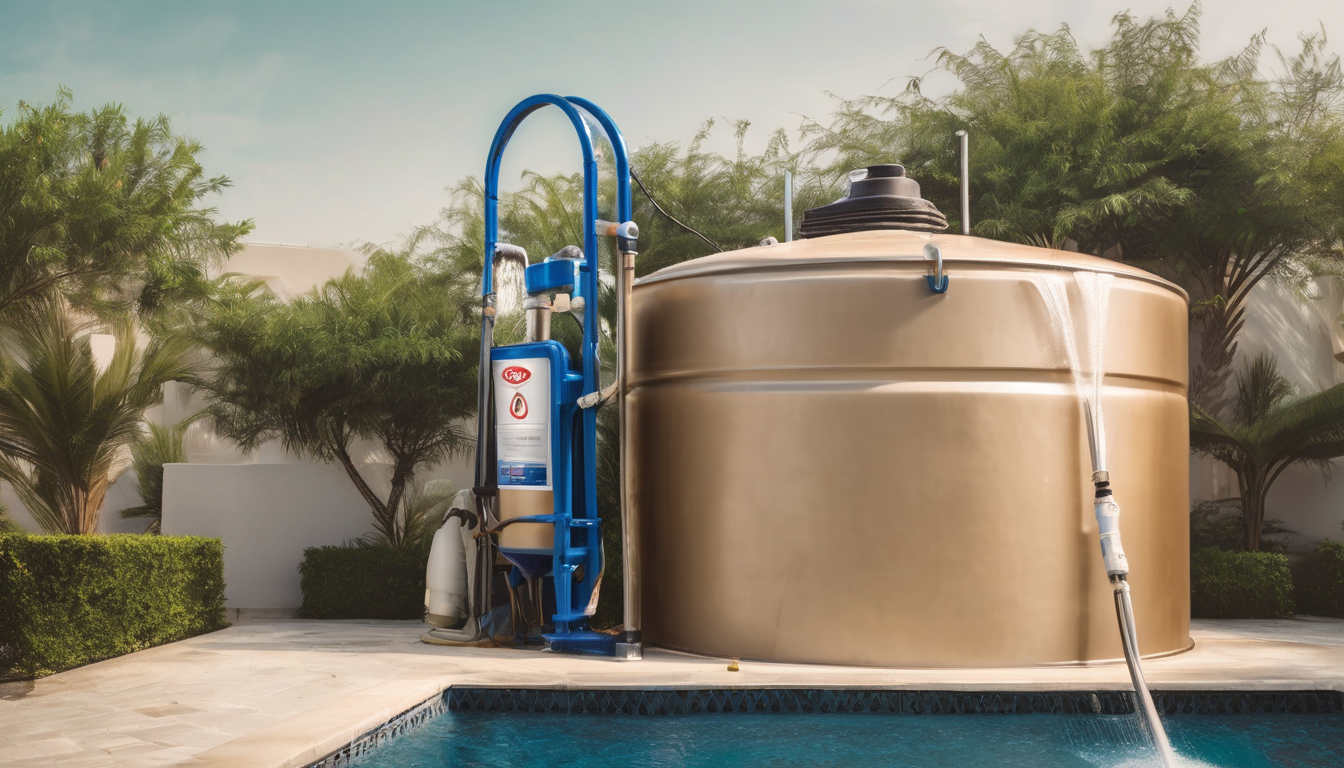
Understanding Clean A Plastic Water Storage Tank is key to success in this area.

Previous post
Next post
Related Posts
Leave a Reply

Your email address will not be published. Required fields are marked *