

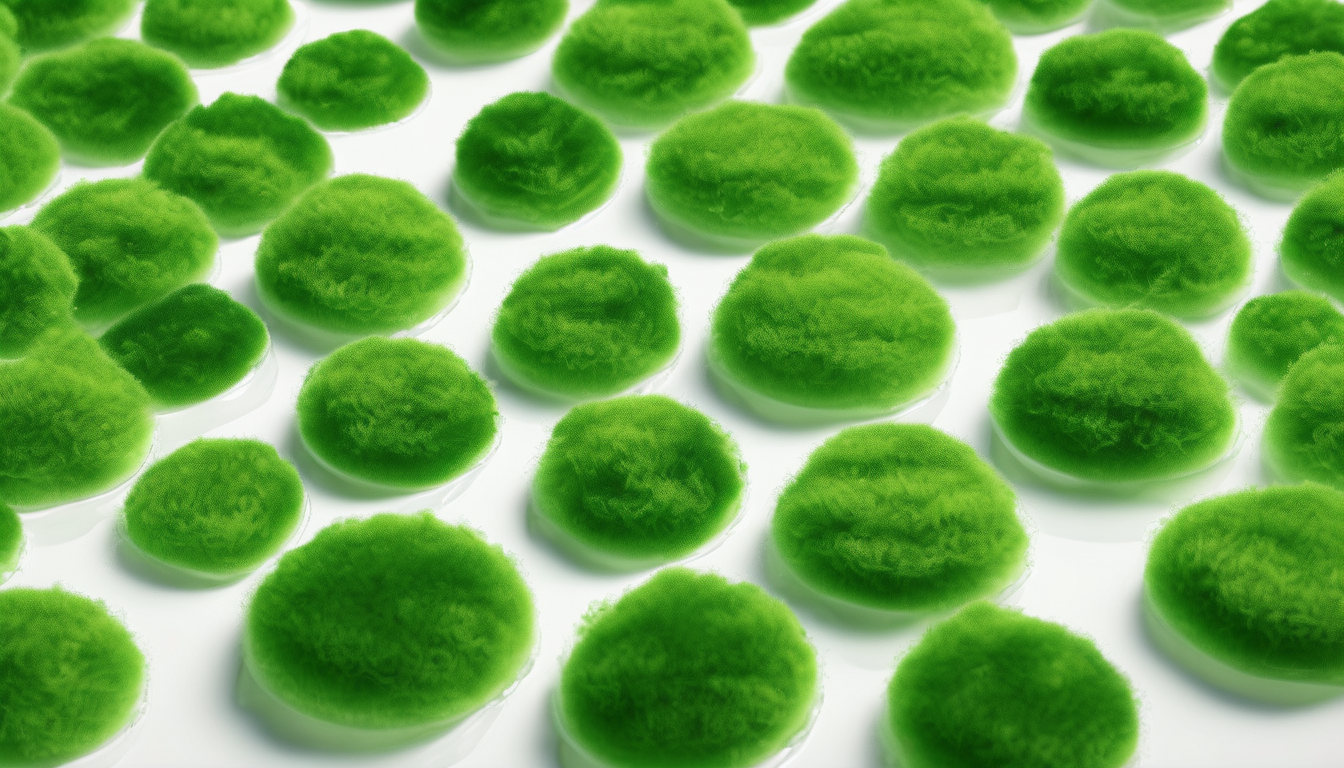

<h2 id="introduction-to-algae-growth-prevention-methods-for-water-makers”>Introduction to Algae Growth Prevention Methods for Water Makers
Understanding Algae Growth Prevention Methods For Water Makers is essential. Water makers, also known as reverse osmosis (RO) systems, are crucial onboard yachts and boats. They ensure a constant supply of clean, potable water. However, one common issue that can severely impact the quality of this water is algae growth within the system. Algae can introduce harmful microorganisms and reduce the overall efficiency of the water maker. This article provides comprehensive methods to prevent algae growth in your water maker.
Understanding Algae Growth Prevention Methods for Water Makers
Algae growth in water makers is primarily caused by the presence of light, nutrients, and moisture. These conditions are commonly found within the RO membranes and storage tanks onboard boats. The warm temperatures and stagnant water provide a perfect environment for algae to thrive.
Causes of Algae Growth in Water Makers
– Light Exposure: Light can penetrate through the clear housing of the RO system, providing energy for photosynthesis.
– Nutrients: Dissolved organic matter and minerals present in seawater can serve as nutrients for algae growth.
– Moisture: The constant flow of water and humid environment within the system create a favorable condition.
<h2 id="chlorination-procedures-for-preventing-藻华生长的方法”>Algae Growth Prevention Methods For Water Makers – Chlorination Procedures for Preventing Algae Growth in Water
Chlorine is an effective disinfectant that can be used to prevent algae growth. Proper chlorination involves adding small amounts of chlorine to the water before it enters the RO system.
Chlorine Dosing Rates and Schedules
– Dosing Rate: Typically, a dose rate of 1 ppm (part per million) is sufficient.
– Scheduling: Chlorination should be performed weekly or bi-weekly depending on the water quality.
Filtration Systems to Control Algae Growth
Installing filtration systems can significantly reduce algae growth in your water maker. These systems remove particulate matter and organic compounds, which serve as nutrients for algae.
Types of Filtration Systems
– Pre-filter: Removes large particles before the RO system.
– Post-filter: Can be installed to reduce any remaining contaminants after purification.
– UV Sterilizers: Destroys microorganisms, including algae, by emitting ultraviolet light.
Maintaining Water Flow and Circulation
Regularly flushing the system helps remove sediments and reduces the chance of stagnant water, which is ideal for algae growth.
Flushing Procedures
– Daily Flushing: Ensure that the RO system is flushed daily to maintain proper flow.
– Circulation Pumps: Install a circulation pump to keep water moving within the storage tank.
Regular Maintenance Checklists for Boat Water Makers
A regular maintenance routine ensures that your water maker is in optimal condition, reducing the risk of algae growth and other issues.
Monthly Maintenance Tasks
1. Inspect Membranes: Check for any signs of damage or scaling.
2. Replace Filters: Change pre- and post-filters as recommended by the manufacturer.
3. Test pH Levels: Ensure that water is within a neutral pH range.
Expert Tips on Preventing Algae Growth in Water Makers
1. Regular Chlorination
2. Install Filtration Systems
3. Maintain Water Flow and Circulation
Frequently Asked Questions About Algae Growth in Water Makers
1. Q: Can algae growth affect the taste of water?
A: Yes, algae can alter the taste and odor of your drinking water.
2. Q: How often should I perform chlorination?
A: Chlorination should be done at least once a week or bi-weekly, depending on water quality.
3. Q: What are the signs that my water maker is contaminated with algae?
A: Look for visible greenish stains or slime in the system and discolored output water.
Conclusion on Algae Prevention Methods for Water Makers
By implementing the recommended methods, you can significantly reduce algae growth in your boat’s water maker. Regular maintenance, proper chlorination, and filtration systems are key to ensuring clean, safe drinking water onboard. Understanding Algae Growth Prevention Methods For Water Makers is key to success in this area.