



Understanding Overhead Tank Cleaning Methods: A Comprehensive Guide
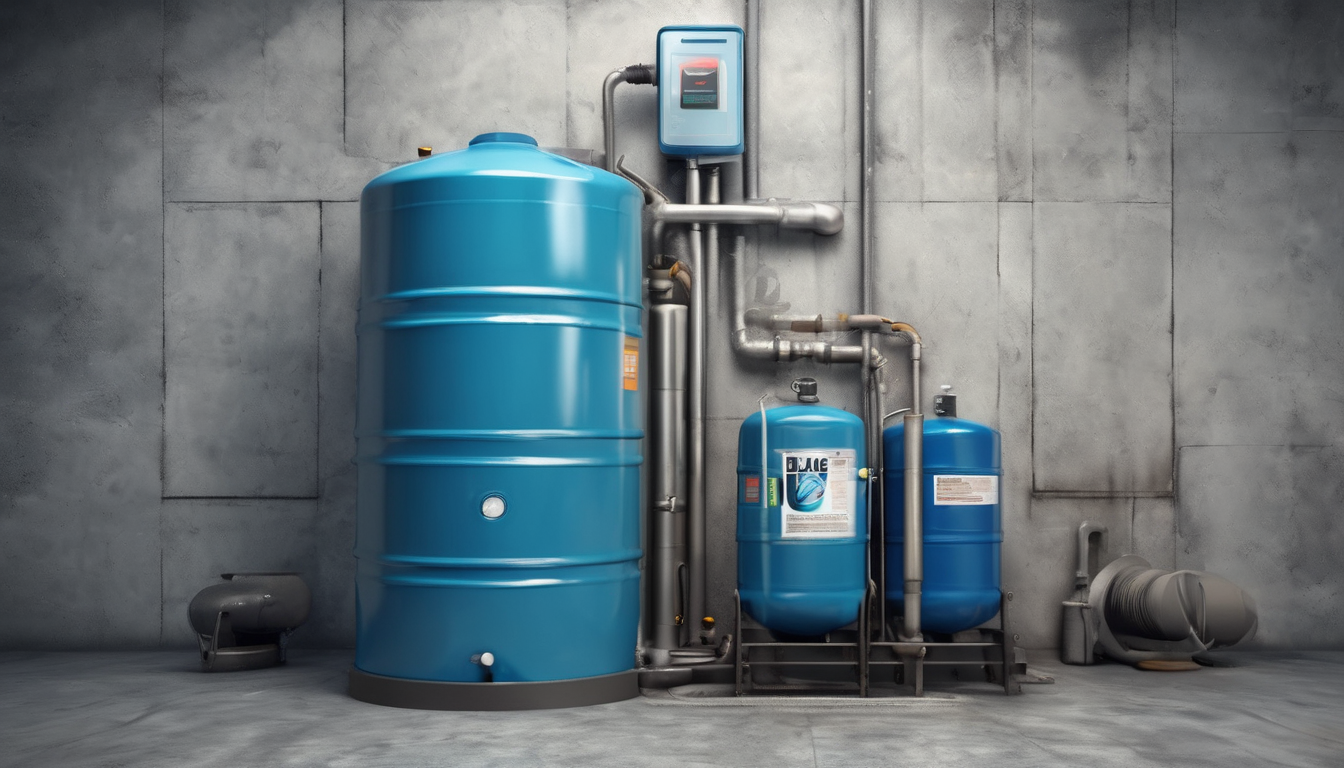
Overhead water tanks are essential components in many residential and commercial properties. These tanks store water above ground, often in attics or on rooftops, providing a critical source of clean drinking water. However, without regular cleaning, these tanks can accumulate sediment, algae, and biofilm, leading to health risks. This guide will explore the methods used for overhead tank cleaning. This relates directly to Overhead Tank Cleaning Methods: A Comprehensive Guide.
Overhead Tank Cleaning Methods: A Comprehensive Guide – The Importance of Regular Cleaning
Regular cleaning is vital because it removes harmful contaminants that can affect water quality. Over time, these tanks can become breeding grounds for bacteria and other microorganisms. Proper cleaning ensures that the water remains safe for consumption, reducing the risk of waterborne illnesses.
Health Risks of Overhead Tank Contamination
Contaminated overhead tanks pose significant health risks. Microbial growth can lead to the proliferation of Legionella bacteria, which causes Legionnaires’ disease—a severe form of pneumonia. Additionally, sediment and particulate matter can affect water taste and clarity, leading to skin irritation and other issues.
Overhead Tank Cleaning Methods: A Comprehensive Guide – The Overhead Tank Cleaning Process
Overhead tank cleaning involves several steps, each designed to ensure the removal of contaminants while maintaining compliance with local regulations. The process typically includes draining, inspecting, cleaning, disinfecting, and refilling.
Draining the Tank Safely
The first step is to safely drain the tank. This involves isolating the water supply line from the overhead tank using appropriate valves or disconnects. Care must be taken to ensure that no water remains in the system, as this can affect subsequent cleaning steps.
Inspecting the Tank for Cracks and Leaks
After draining, a thorough inspection is necessary to check for any cracks or leaks. These defects can lead to further contamination and water loss. Inspections are conducted using visual checks and, in some cases, with dye testing to identify hidden issues.
Cleaning the Tank Thoroughly
Thorough cleaning is essential to remove all contaminants. This process may involve manual scrubbing or mechanical cleaning methods, depending on the extent of contamination. Special attention is given to areas prone to biofilm accumulation and sediment buildup. When considering Overhead Tank Cleaning Methods: A Comprehensive Guide, this becomes clear.
Applying Disinfectants Safely
Disinfection is a critical step in the cleaning process. Approved disinfectants are used according to manufacturer guidelines, ensuring that all harmful microorganisms are eliminated. The use of Dubai Municipality-approved chemicals ensures compliance with local health and safety regulations.
Rinsing and Refilling the Tank
Once the tank is disinfected, it must be thoroughly rinsed to remove any traces of disinfectant. The tank is then refilled with clean water, ensuring that all contaminants are flushed out.
Preparing for Overhead Tank Cleaning
Before starting the cleaning process, several preparatory steps should be taken to ensure a smooth and efficient operation.
Scheduling Inspections and Risk Assessments
Inspections are conducted before each cleaning session. These assessments help identify potential risks and areas that require special attention. This proactive approach ensures that no issues are overlooked, leading to a more effective cleaning process.
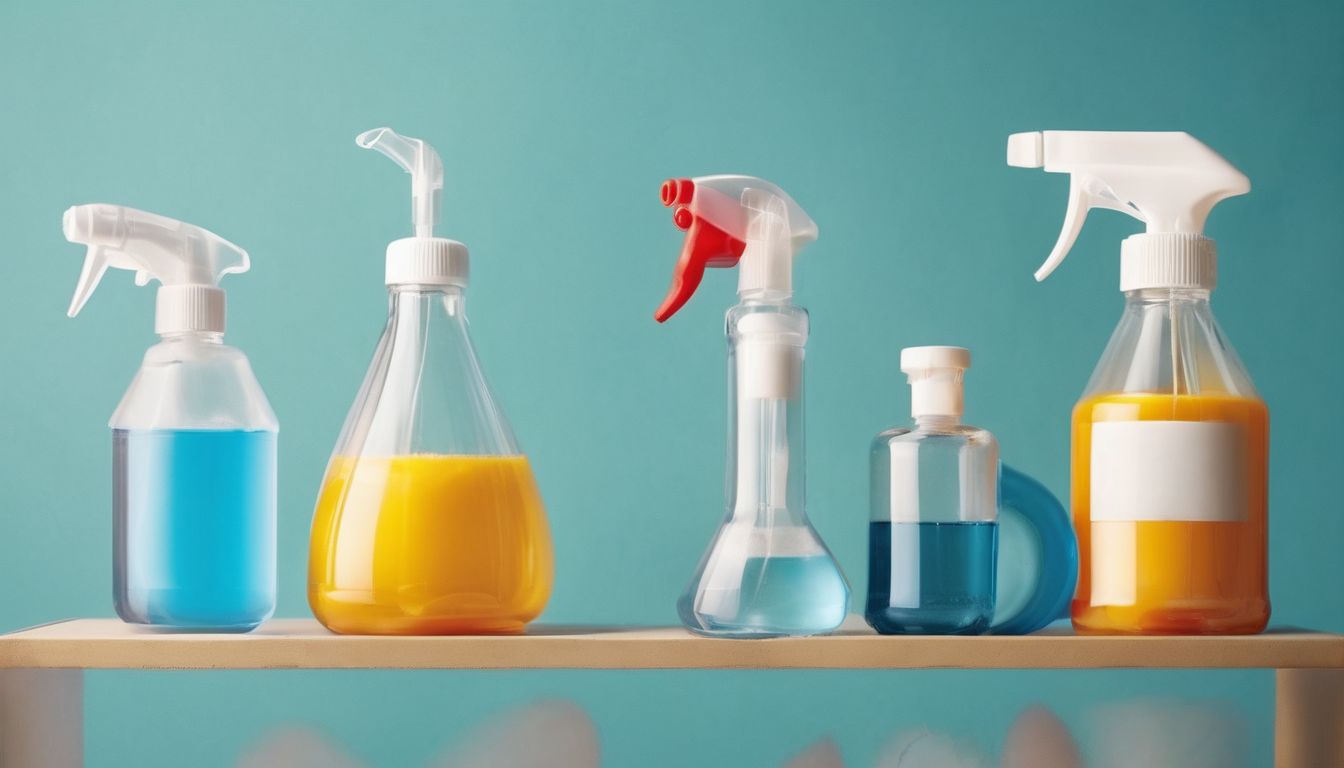
Choosing the Right Chemicals for Effective Disinfection
The choice of chemicals is crucial in maintaining hygiene standards. Approved disinfectants must be used to ensure that all contaminants are eliminated without causing harm to the water system or environment.
Understanding the Effects of Different Chemicals on Water Quality
Different chemicals have varying impacts on water quality. For instance, chlorine-based disinfectants are effective but can affect taste and odor if overused. Proper dosage is critical to balance effectiveness with safety. The importance of Overhead Tank Cleaning Methods: A Comprehensive Guide is evident here.
Post-Cleaning Water Quality Assurance
After cleaning, it’s essential to ensure that the water quality meets acceptable standards. This involves testing for contaminants and verifying that the tank is free from any residual disinfectants or other chemicals.
Conducting Water Quality Tests
Water samples are taken before and after cleaning to compare results. These tests help identify any issues that may have been overlooked during the cleaning process, ensuring a comprehensive approach to hygiene maintenance.
Expert Tips for Overhead Tank Cleaning
To ensure the best possible outcome, here are some practical tips:
1. Thorough Planning: Plan your cleaning schedule in advance to avoid last-minute rushes.
2. Use Certified Products: Always use Dubai Municipality-approved chemicals and disinfectants.
3. Proper Ventilation: Ensure adequate ventilation during the cleaning process to minimize exposure to harmful fumes.
4. Regular Inspections: Regular inspections can help identify issues early, preventing them from becoming major problems.
5. Customer Communication: Keep customers informed about the cleaning schedule and any potential disruptions.
Frequently Asked Questions About Overhead Tank Cleaning
1. How often should overhead tanks be cleaned?
Overhead tanks should be cleaned every 6 to 12 months, depending on the water usage and local climate conditions.
2. What are the signs that my tank needs cleaning?
Signs include poor water quality, visible sediment in taps, or a foul smell from the water.
3. Is it safe to drink water after overhead tank cleaning?
Yes, but only after thorough rinsing and testing ensure all chemicals have been removed.
Conclusion
Overhead tank cleaning is a crucial aspect of maintaining clean, potable water for homes and businesses in Dubai. By following the comprehensive methods outlined in this guide, you can ensure that your overhead tanks remain hygienic and safe for daily use. Understanding Overhead Tank Cleaning Methods: A Comprehensive Guide is key to success in this area.