





Table of Contents
Understanding Choosing the Right Chlorine Dosing Method for Water Tanks
Method for water tanks such as chlorine dosing is a critical step in maintaining water quality, especially in residential and commercial water storage tanks. This process involves adding controlled amounts of chlorine to the method for water tanks to eliminate bacteria, algae, and other harmful microorganisms that may contaminate stored water.
Understanding the different chlorine dosing techniques available helps ensure you choose the most effective and safe solution for your specific needs.
Choosing The Right Chlorine Dosing Method For Water Tanks – Choosing the Right Product for Your Needs When selecting a chlorine dosing method for your water tank
There are several factors to consider when choosing the right chlorine dosing method for your water tank. These include:
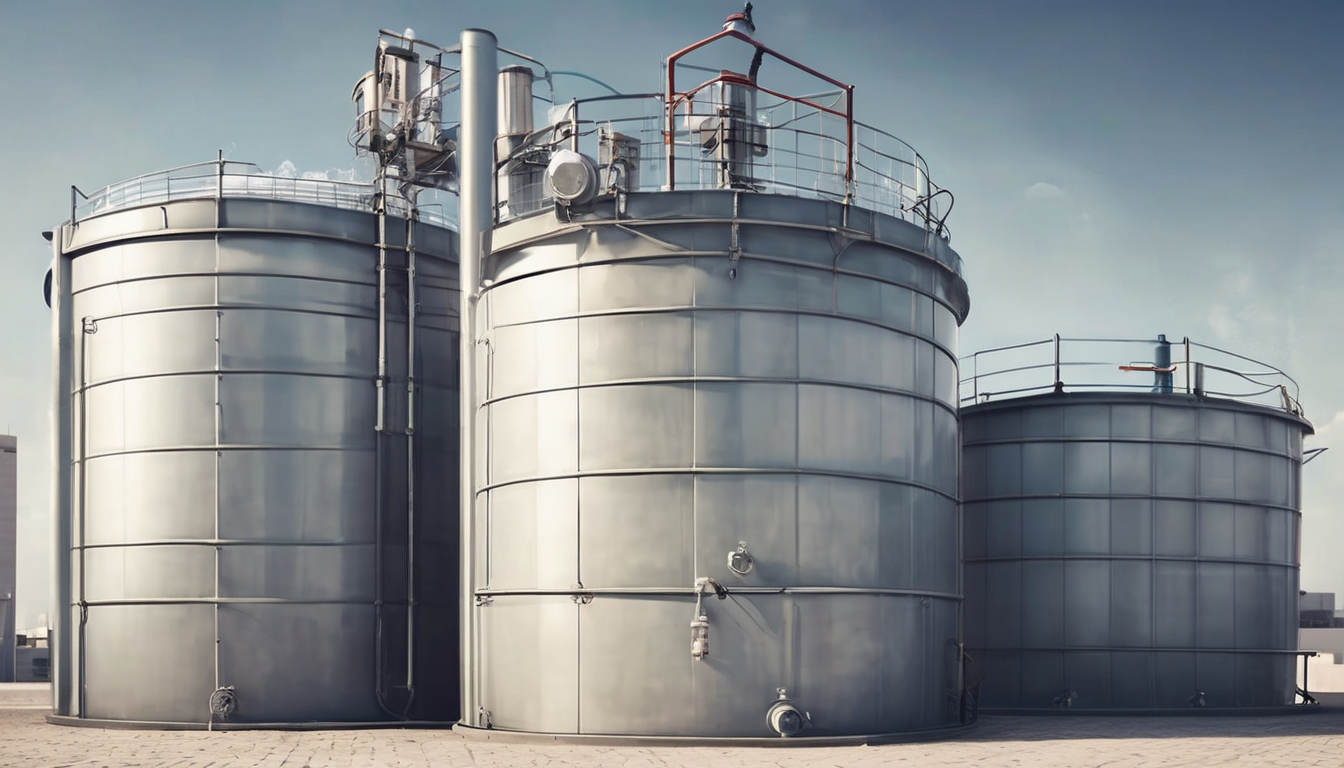
- Tank Size and Volume: Determine the capacity of your tank and choose a dosing system that can handle it effectively.
- Type of Tank: Underground tanks may require different dosing methods compared to overhead method for water tanks due to differences in exposure to sunlight and air.
- Water Quality: Assess the current water quality before choosing a dosing method. If your water is already clean, you might not need as strong a chlorine solution.
- Maintenance Schedule: Consider how often you will be performing maintenance on the tank and choose a system that can be easily managed and maintained.
Choosing The Right Chlorine Dosing Method For Water Tanks – Common Mistakes to Avoid When Choosing a Dosing Method
Many common mistakes can lead to improper water quality. Here are some of the most frequent errors:
- Selecting an Inadequate Product: Not choosing a product that matches your tank’s size and usage can result in poor water quality.
- Frequent Dosing Errors: Over-dosing or under-dosing chlorine can both lead to problems. Always follow the manufacturer’s instructions carefully.
- Lack of Monitoring: Regular monitoring of chlorine levels is crucial but often overlooked, leading to inconsistent water quality.
Sanih2O Recommended Chlorine Dosing Methods for Water Tanks
Sanih2O, a trusted provider in Dubai, recommends the following chlorine dosing methods based on local regulations and water conditions:
- DM-Approved Chemicals: Always use chemicals that comply with Dubai Municipality (DM) standards to ensure legal compliance.
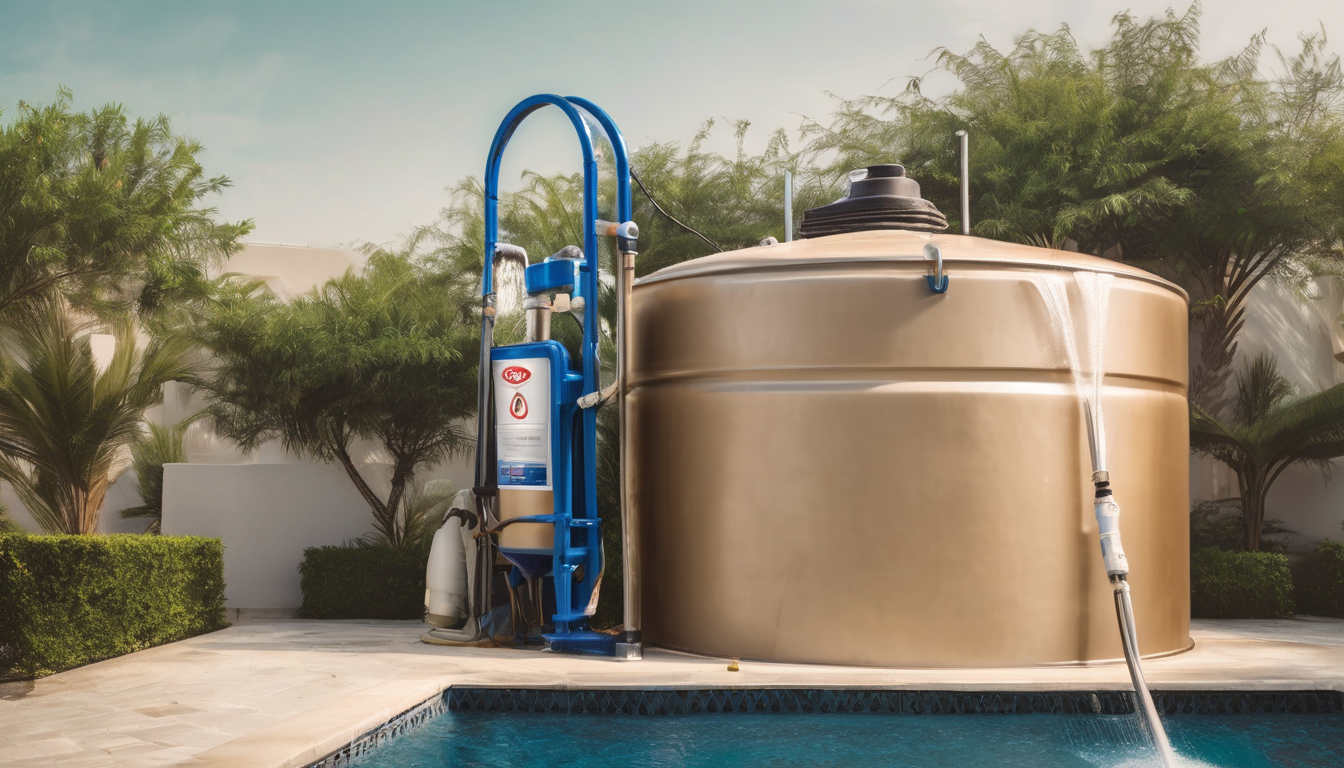
- Automated Systems: For larger tanks, Sanih2O suggests using automated dosing systems for consistency and ease of management.
- Manual Dosing Kits: Smaller tanks or those with infrequent use can benefit from manual dosing kits that are easy to handle and store.
Choosing the Right Disinfectant for Your TANKS
The right disinfectant is crucial in ensuring your water remains clean. Sanih2O recommends:
- Chlorine Dioxide: For method for water tanks with heavy biofilm or algae, chlorine dioxide can be more effective due to its ability to penetrate and break down organic matter.
- Potassium Permanganate: This is a strong oxidizer that can be used in smaller quantities for regular maintenance but should not be used frequently as it can cause discoloration of the water.
Safety Considerations and Best Practices in Chlorine Dosing
To ensure safety and efficacy, follow these best practices:
- Proper Storage: Store chlorine-based products away from direct sunlight to prevent degradation.
- Adequate Ventilation: Ensure the dosing area has proper ventilation to avoid inhaling fumes.
- Personal Protective Equipment (PPE): Always wear gloves and a mask when handling chlorine products.
- Regular Monitoring: Regularly test water quality using kits or professional services to ensure the dosing is effective.
FAQ on Chlorine Dosing Methods for Water Tanks
Here are answers to some frequently asked questions about chlorine dosing:
- Q: How often should I dose my water tank?
- A: The frequency depends on the size of your tank and local regulations. Generally, it’s done once a week or after major maintenance.
- Q: Can I use any chlorine product for dosing?
- A: No, always choose products that are DM-approved to ensure safety and compliance.
- Q: What should I do if the water tastes or smells bad after dosing?
- A: Check your dosing levels and ensure they are correct. If issues persist, consult a professional for advice.
Conclusion: Mastering the Right Chlorine Dosing Method for Your Water Tank
Choosing the right chlorine dosing method is essential for maintaining clean and safe drinking water in your home or commercial property. By considering factors such as tank size, type, and local regulations, you can ensure that your water remains free from contaminants. Always opt for DM-approved products and follow best practices to keep your family’s health top of mind.