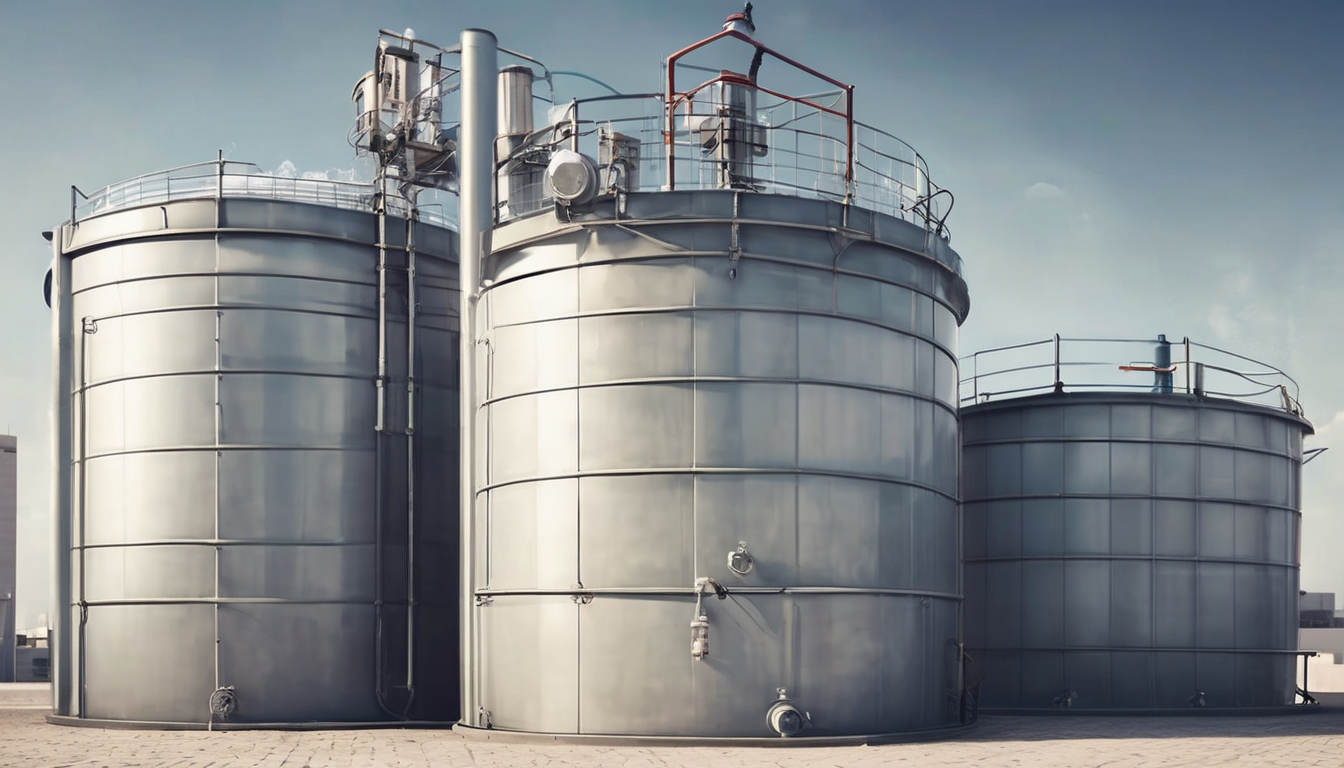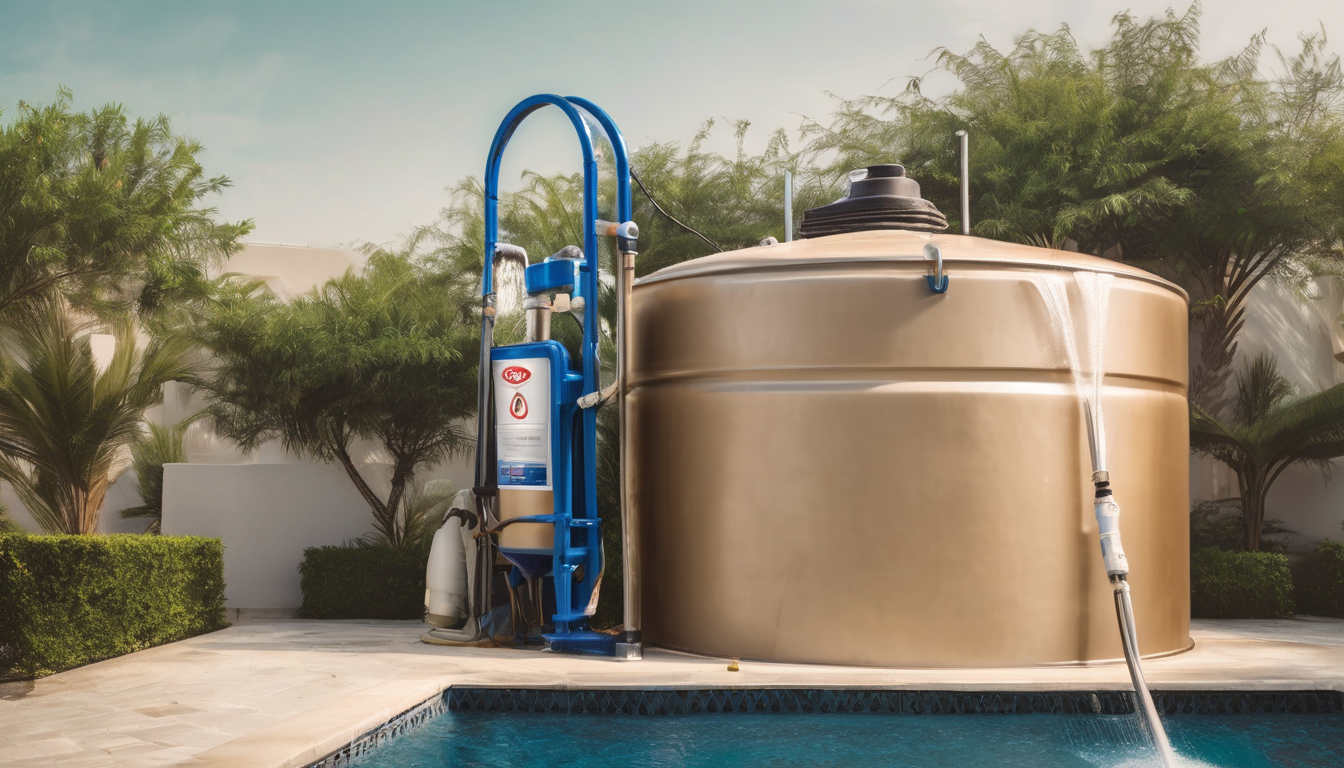


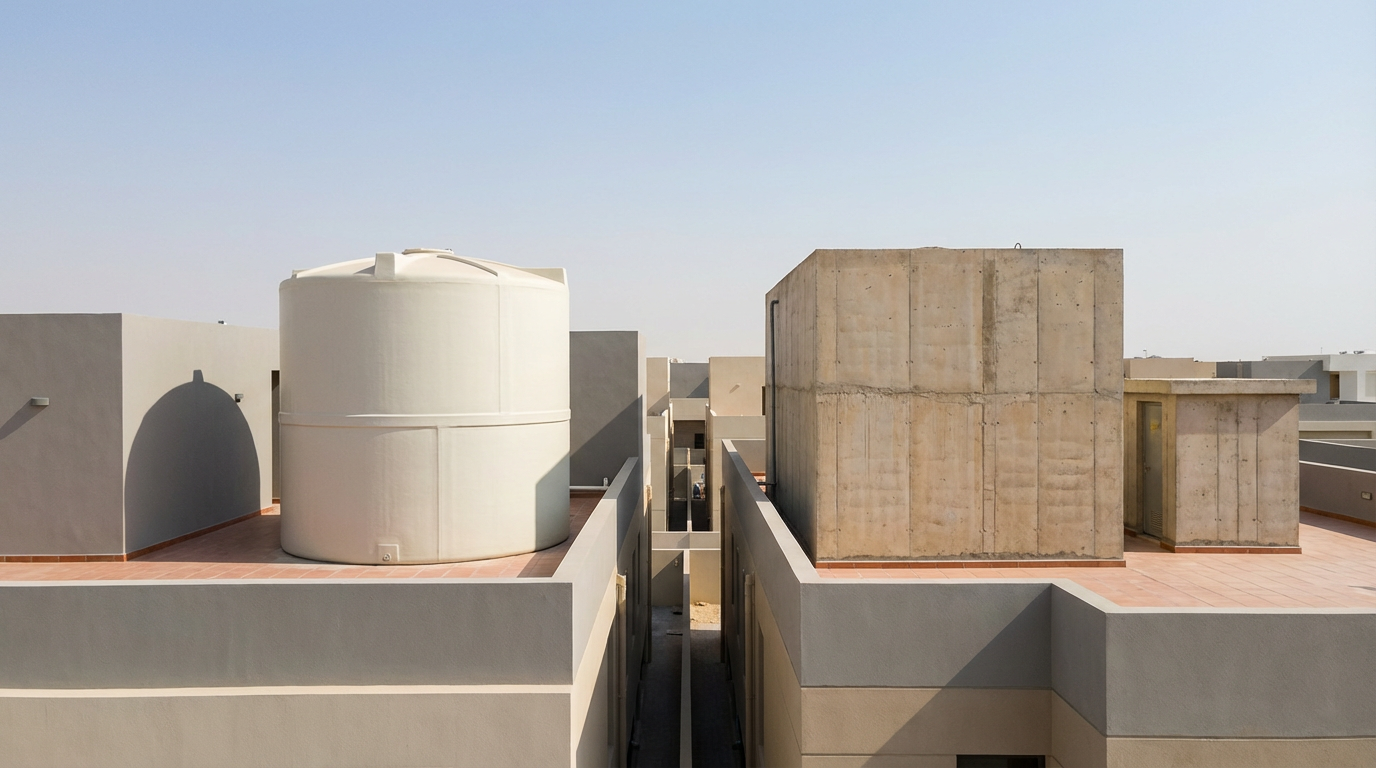

Understanding Durability and Maintenance Requirements Of Different Water Tanks is essential.
—
Durability And Maintenance Requirements Of Different Water Tanks: Which is Better
The choice between GRP and concrete tanks depends largely on the specific requirements of your property. GRP tanks are made from a combination of polyester resin, glass fibers, and other reinforcing materials. They offer several advantages over concrete tanks:
- Longevity: GRP tanks can last up to 30 years with minimal maintenance.
- Maintenance-Free: They are resistant to rust and corrosion, reducing the need for regular maintenance.
- Eco-Friendly: GRP materials are lighter than concrete, leading to lower transportation costs and reduced carbon footprint.
In contrast, concrete tanks have a longer initial lifespan but require more maintenance due to their susceptibility to cracking and deterioration over time. However, they can be more cost-effective in the long run if properly maintained.
—
Durability And Maintenance Requirements Of Different GRP Tanks
GRP tanks are renowned for their exceptional durability:
- Rust Resistance: They are immune to rust and corrosion, ensuring the integrity of the tank structure.
- Temperature Tolerance: GRP can withstand extreme temperatures without affecting its structural integrity.
- UV Stability: The resin used in GRP is highly resistant to ultraviolet light, preventing degradation over time.
This durability ensures that the tank remains functional for many years, minimizing the need for replacements or repairs.
—
Durability And Maintenance Requirements Of Different Water Tanks
Despite their long-lasting nature, regular maintenance is still important to ensure optimal performance:
- Visual Inspection: Regularly check the exterior of the tank for signs of damage or wear.
- Cleaning: Schedule annual cleaning to remove sediment and debris from the interior surface.
- Chemical Treatment: Apply appropriate disinfectants periodically to maintain water quality.
These simple steps can help prolong the life of your GRP tank, ensuring it remains a reliable source of clean water for years to come.
—
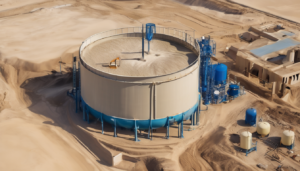
Durability of Concrete Tanks
Concrete tanks are known for their robust structure and long lifespan:
- Strength: They offer excellent structural integrity, making them suitable for high-pressure systems.
- Tank Size Options: Concrete can be molded into various shapes and sizes to suit different property needs.
However, their durability is subject to certain conditions:
- Crack Susceptibility: Over time, concrete tanks may develop cracks due to environmental factors like temperature fluctuations and seismic activity.
- Leakage Risk: Cracks can lead to leakage, compromising the structural integrity of the tank.
—
Maintenance Requirements for Concrete Tanks
Maintenance is essential to preserve the longevity and functionality of concrete tanks:
- Regular Inspections: Conduct periodic inspections to identify any cracks or leaks.
- Crack Repair: Promptly repair any identified cracks to prevent water leakage.
- Sealant Application: Apply appropriate sealants to areas prone to cracking and wear.
Proper maintenance can significantly extend the lifespan of concrete tanks, but it requires more effort compared to GRP tanks.
—
Comparing Maintenance Costs: GRP vs Concrete
The cost of maintaining different types of water storage tanks varies:
| Material | Initial Cost (AED) | Maintenance Cost per Year (AED) |
|---|---|---|
| GRP Tank | AED 25,000 – 30,000 | AED 1,500 – 2,500 |
| Concrete Tank | AED 18,000 – 25,000 | AED 3,000 – 4,500 |
The initial cost of GRP tanks is higher but the lower maintenance costs can offset this over time. Conversely, concrete tanks are more affordable initially, but their increased maintenance requirements may lead to higher overall expenses.
—
Expert Tips on Durability and Maintenance of Water Storage Tanks
Here are some practical tips for maintaining the durability and functionality of your overhead water storage tank:
- Regular Inspections: Schedule routine inspections to detect any issues early.
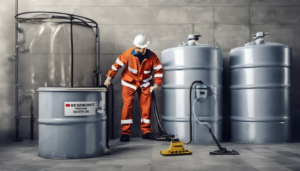
- Professional Cleaning: Engage a certified cleaner for thorough cleaning and disinfection.
- Quality Chemicals: Use only approved chemicals for water tank disinfection to avoid damage.
Following these tips can help ensure that your water storage tank remains in excellent condition, providing safe and clean water for years to come. This relates directly to Durability And Maintenance Requirements Of Different Water Tanks.
—
FAQ Section for Water Storage Tank Durability and Maintenance
- Q: How often should I clean my water storage tank?
- A: It is recommended to clean your tank every 6-12 months, depending on usage and environmental factors.
Q: Can I use any chemical for cleaning the tank?A: No, always use chemicals approved by local health authorities to prevent damage or contamination.
Q: What signs should I look out for that indicate a problem with my water storage tank?A: Signs include discoloration of the water, unusual odors, and visible cracks in the tank structure.
—
Conclusion: Choosing the Right Material for Your Overhead Water Storage Tank
Choosing between GRP and concrete tanks depends on your specific needs. While both materials offer their own benefits, it is important to weigh the initial cost against maintenance requirements.
- GRP Tanks: Offer longevity with minimal maintenance, making them a good choice for properties prioritizing low ongoing costs.
- Concrete Tanks: Are more cost-effective initially but require regular inspections and repairs to maintain functionality.
No matter which material you choose, proper maintenance is crucial. By following the tips outlined in this article, you can ensure that your water storage tank remains a reliable source of clean water for years to come.
—
Understanding Durability And Maintenance Requirements Of Different Water Tanks is key to success in this area.