



Understanding Preventive Maintenance Tips For Long-term Fish Tank Hygiene is essential. —
Discover essential preventive maintenance tips for ensuring long-term hygiene in your fish tank, tailored specifically for Dubai’s climate conditions.
—
—
Understanding Preventive Maintenance Tips for Long-term Fish Tank Hygiene
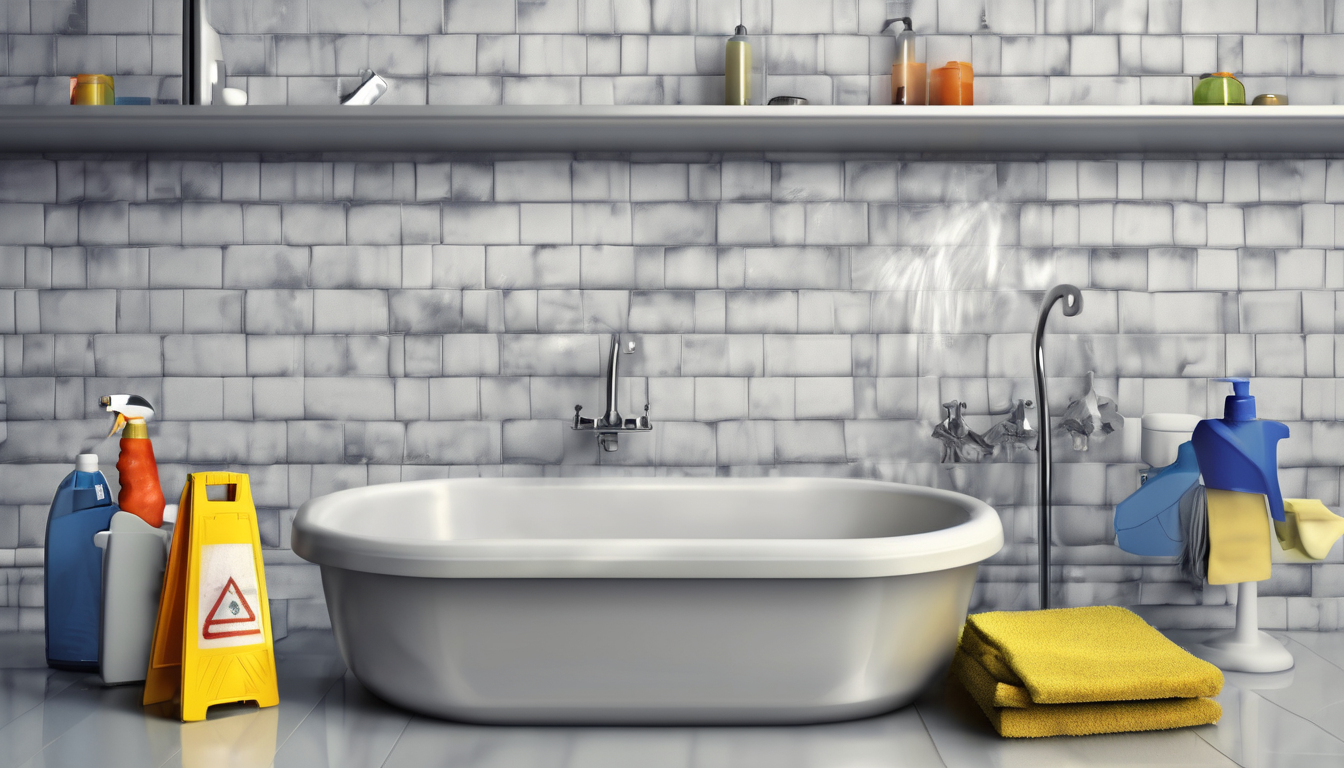
Regular maintenance is crucial for ensuring the health and well-being of your fish tank. Preventive measures not only help in maintaining water quality but also prevent costly repairs down the line. This section will cover key tips to keep your aquarium clean, hygienic, and free from harmful contaminants.
The Importance of Regular Cleaning
Regular cleaning involves several tasks: removing debris, maintaining proper water parameters, and ensuring the tank is free from harmful organisms. Neglecting these can lead to a buildup of pollutants that affect both your fish and the overall environment.
Preventive Maintenance Tips For Long-term Fish Tank Hygiene – Cost Considerations for Preventive Maintenance
While preventive maintenance might seem like an additional expense, it ultimately saves money by avoiding more costly repairs. Here’s a breakdown of potential costs:
- Tank cleaning and disinfection: AED 150 – 300 for small tanks, up to AED 600 for large commercial setups.
- Chemical treatments: AED 120 – 240 for a full kit of safe, DM-approved chemicals.
- Professional services: AED 750 – 1500 per session depending on the scope and size of the tank.
Budget-Friendly Options
You can save costs by doing some tasks yourself, such as daily water changes and weekly cleaning. For deeper cleanings or specialized needs, consider hiring a professional like Saniservice to ensure safety and compliance.
Preventive Maintenance Tips For Long-term Fish Tank Hygiene – Frequency of Cleanings and Disinfections
The frequency of cleanings depends on the size, type, and usage of your fish tank. Here’s a general guideline:
- Small home tanks (10-50 gallons): Monthly partial water changes and bi-weekly light cleaning.
- Medium tanks (50-200 gallons): Quarterly full cleanings and weekly partial water changes.
- Larger commercial tanks: Semi-annual deep cleanings and daily maintenance checks.
What to Expect
Detailed cleaning might involve draining the tank, removing all decorations, and inspecting for any signs of damage or contamination. Regular disinfections ensure that harmful organisms are eliminated, keeping your fish healthy.
—
Removing Algae and Biofilm
Algae and biofilm can significantly impact water quality and the health of your fish. Here’s how to effectively remove them:
- Manual removal: Use a sponge or algae scraper for small areas.
- Biofilm control: Apply a suitable algicide, ensuring it is safe for aquatic life and complies with local regulations.
Preventing Algae Growth
To prevent algae from growing, keep the tank well-lit but not excessively so. Regularly clean any light fixtures to avoid excess nutrients from accumulating in the water.
—
Safe Chemicals for Fish Tank Cleaning
Using the right chemicals is crucial to ensure both the safety of your fish and the effectiveness of cleaning. Here are some recommended options:
- Bleach-free solutions: Look for products that use safe alternatives like citric acid or vinegar.
- DM-approved treatments: Always check with local authorities to ensure compliance and safety.
Chemical Application
Follow the manufacturer’s instructions carefully. Typically, you will need to dilute the chemicals in a bucket of clean water before adding them to the tank for disinfection.
—
Deep Cleaning Techniques
For deeper cleanings, it’s important to break down tasks into manageable steps:
- Dissolve sediment and sludge: Use a specialized cleaner designed for fish tanks.
- Clean the filter: Remove the filter media, soak in cleaning solution, then rinse thoroughly before reinserting it back into the tank.
Inspecting and Repairing
After cleaning, inspect all components for signs of wear or damage. Address any issues promptly to avoid future problems.
—
Tips for Effective Maintenance
To ensure your fish tank remains clean and hygienic:
- Regular water changes: Change 10-20% of the water weekly to maintain optimal conditions.
- Monitor pH levels: Keep a regular check on pH using test kits available at pet stores.
- Use proper filtration systems: Ensure your filter is appropriate for the tank size and type of fish.
Ongoing Care
Consistency is key. Regular maintenance helps in preventing issues before they become serious, saving you both time and money in the long run. This relates directly to Preventive Maintenance Tips For Long-term Fish Tank Hygiene.
—
Frequently Asked Questions
- Q: How often should I clean my fish tank?
- A: For small tanks, do a partial water change every 10 days. Larger tanks can go up to once a month.
- Q: What are the signs of poor water quality?
- A: Cloudy water, foul smell, excess algae growth, and unhealthy fish behavior indicate poor water quality.
- Q: Can I clean my tank myself or should I hire a professional?
- A: For complex setups or if you’re unsure about certain steps, hiring a professional ensures everything is done safely and effectively.
—
Conclusion
Implementing preventive maintenance tips for your fish tank can significantly improve the health of your aquatic pets. Regular cleaning, proper chemical use, and regular inspections are crucial to maintaining long-term hygiene. By following these guidelines, you can ensure a clean, safe, and healthy environment for your fish.
—
—
Contact Us
For professional fish tank cleaning and disinfection services, contact us at +971 50 123 4567 or visit our website Saniservice.
—