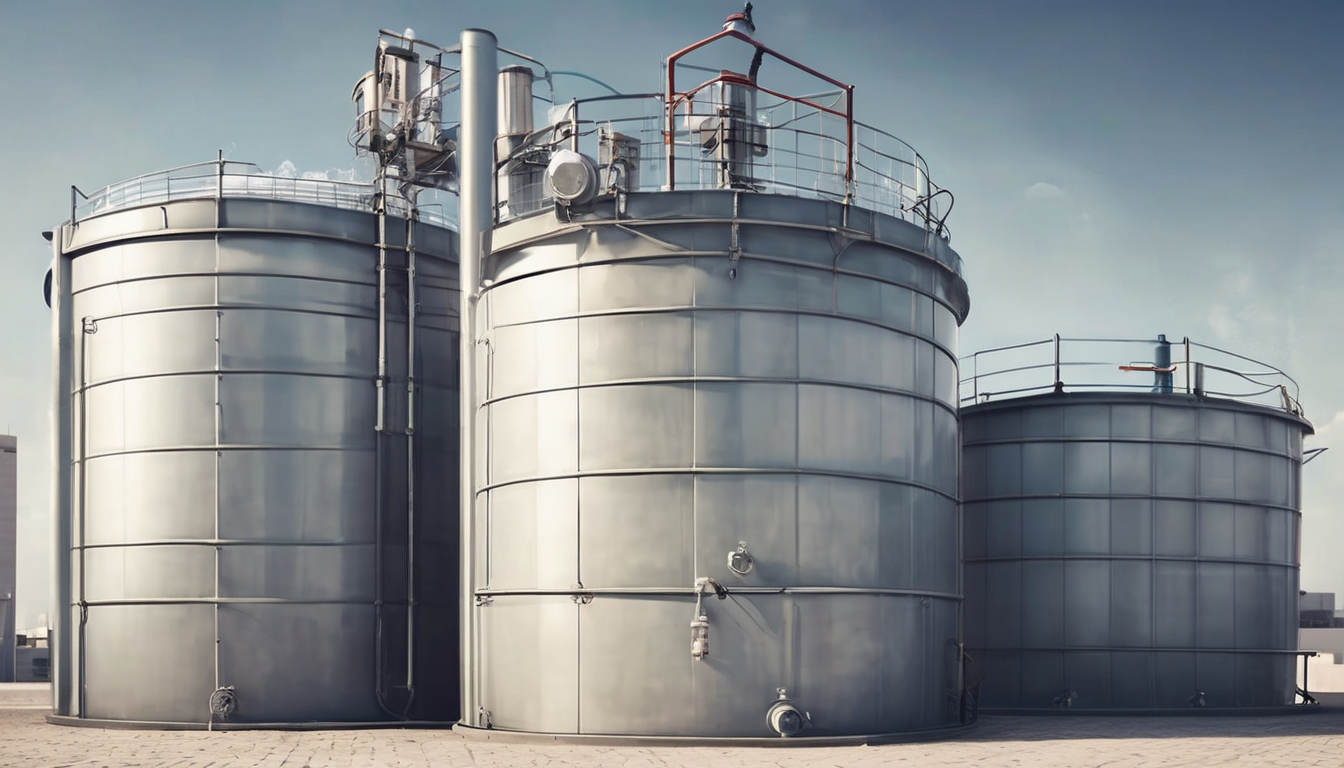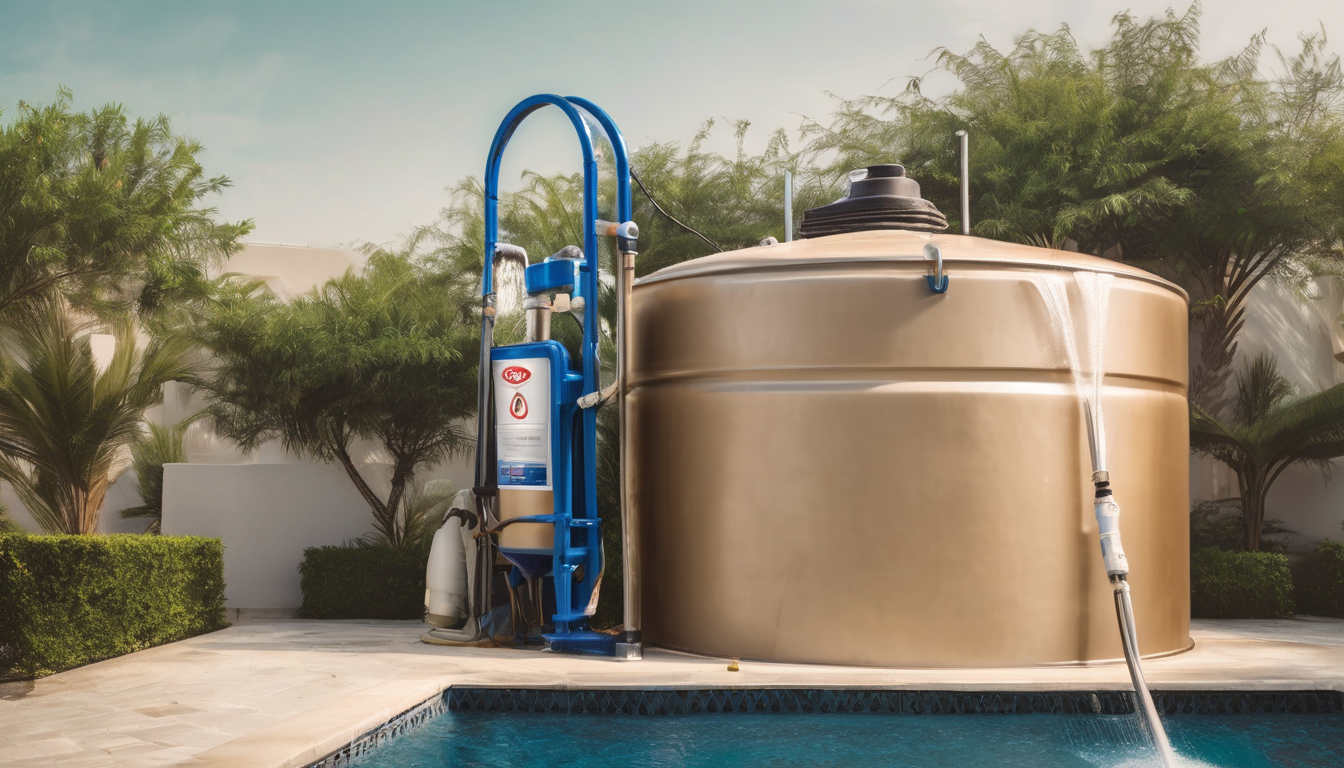




Understanding GRP Tank vs Concrete Tank: Which is Better for Overhead?
When it comes to choosing the right overhead water storage tank, two prominent materials often come into play: GRP (Glass Reinforced Plastic) and concrete. Both have their unique characteristics that make them suitable in different scenarios. Understanding the pros and cons of each will help you make an informed decision for your Dubai-based residential or commercial property. This relates directly to Grp Tank Vs Concrete Tank: Which Is Better For Overhead.
Grp Tank Vs Concrete Tank: Which Is Better For Overhead – Material and Chemistry Differences Between GRP and Concrete
The choice between a GRP tank and a concrete tank starts with their fundamental makeup. GRP tanks are made from resin and fiber glass, giving them a lightweight yet robust structure. On the other hand, concrete tanks are cast from cement, sand, and water, making them heavier but more durable over time. When considering Grp Tank Vs Concrete Tank: Which Is Better For Overhead, this becomes clear.
Chemical Resistance
GRP tanks offer exceptional resistance to chemicals, which makes them ideal for areas where water may be contaminated. Concrete tanks, while generally resistant to most chemicals, can suffer from degradation when exposed to certain substances like acids or strong alkalis. The importance of Grp Tank Vs Concrete Tank: Which Is Better For Overhead is evident here.
Grp Tank Vs Concrete Tank: Which Is Better For Overhead – Durability and Maintenance Needs of GRP vs Concrete Tanks
The durability and maintenance needs of these tanks are crucial factors in their selection. GRP tanks require minimal maintenance due to their lightweight nature and resistance to corrosion. However, they may need occasional inspections for any signs of wear or damage. Understanding Grp Tank Vs Concrete Tank: Which Is Better For Overhead is key to success in this area.
In contrast, concrete tanks are more durable but require regular maintenance to keep them in good condition. This includes checking the integrity of the tank walls, ensuring there are no cracks that could lead to leaks, and cleaning out debris to prevent blockages. Regular coating or painting may be needed to maintain their structural integrity over time.
Cost Considerations for GRP vs Concrete Tank Installation
When considering the financial aspect of overhead water tanks, cost is a significant factor. The initial installation cost of an overhead GRP tank can be lower compared to concrete tanks. However, this does not necessarily mean it will be cheaper in the long run. The ongoing maintenance and potential replacement costs should also be considered.
Reliability and Lifetime
GRP tanks are known for their reliability and longer lifespan. They can last up to 40 years with proper care, whereas concrete tanks typically have a shorter life span of around 25-30 years.
Environmental and Sustainability Factors of GRP vs Concrete Tanks
The environmental impact is another critical aspect when choosing between these materials. GRP tanks are lighter, which reduces transportation costs and carbon emissions during their manufacturing process. They also have a lower embodied energy footprint compared to concrete tanks, making them more environmentally friendly in the long term.
Recycling and Disposal
While both materials can be recycled, GRP tanks are easier to recycle due to their uniform composition. Concrete, on the other hand, is harder to recycle as it often contains aggregate that needs to be separated.
Performance Comparison Between GRP and Concrete Tanks
Performance-wise, both materials have their strengths. GRP tanks excel in areas with high chemical exposure or where water quality is an issue due to their superior resistance. They are also lighter, which can be advantageous for properties with structural limitations or limited roof space.
Reliability and Lifetime
Concrete tanks, however, offer a more stable and robust structure that withstands heavy loads better. Their heavier nature means they can be used in areas where the risk of water contamination is low, making them ideal for standard residential use.
Expert Tips for Selecting the Right Overhead Tank Material
Based on the information above, here are some tips to help you make an informed decision:
- Evaluate your water quality. If you have concerns about chemical contamination or poor water quality, a GRP tank may be more suitable. For standard residential use where water quality is less of a concern, a concrete tank could suffice.
- Weigh the costs. Consider both the initial installation cost and long-term maintenance expenses to determine which material aligns better with your budget.
- Consider environmental factors. If you are environmentally conscious or need to comply with sustainable building practices, GRP tanks might be a better choice due to their lower embodied energy and easier recycling process.
Frequently Asked Questions About GRP and Concrete Tanks
-
- Q: Is one tank type more prone to leakage than the other?
- A: Both tanks can be designed with proper sealing techniques, but concrete tanks may require more frequent inspections for cracks that could lead to leaks.
- Q: Which material is easier to maintain over time?
- A: GRP tanks generally need less maintenance due to their lightweight and chemical-resistant properties. Concrete tanks may require more regular checks for structural integrity but can be painted or coated.
- Q: Are there any limitations to the size of these tanks?
- A: Both materials can accommodate various tank sizes, but concrete tanks might have restrictions due to their heavier nature and the structural integrity required for larger installations.
- Q: Is one tank type more prone to leakage than the other?
Conclusion on GRP Tank vs Concrete Tank Selection
Choosing between a GRP tank and a concrete tank involves considering several factors. While GRP tanks offer advantages in terms of chemical resistance, ease of maintenance, and sustainability, concrete tanks provide stability and durability that can be more suitable for certain applications.
The best choice depends on your specific needs and circumstances. For instance, if you require an overhead water storage solution with high chemical resistance and a longer lifespan, GRP might be the better option. Conversely, if you need a robust tank that can handle heavy loads without frequent maintenance, concrete could be more appropriate.
For any further guidance or to schedule a professional inspection of your current system, contact our team.