





Introduction
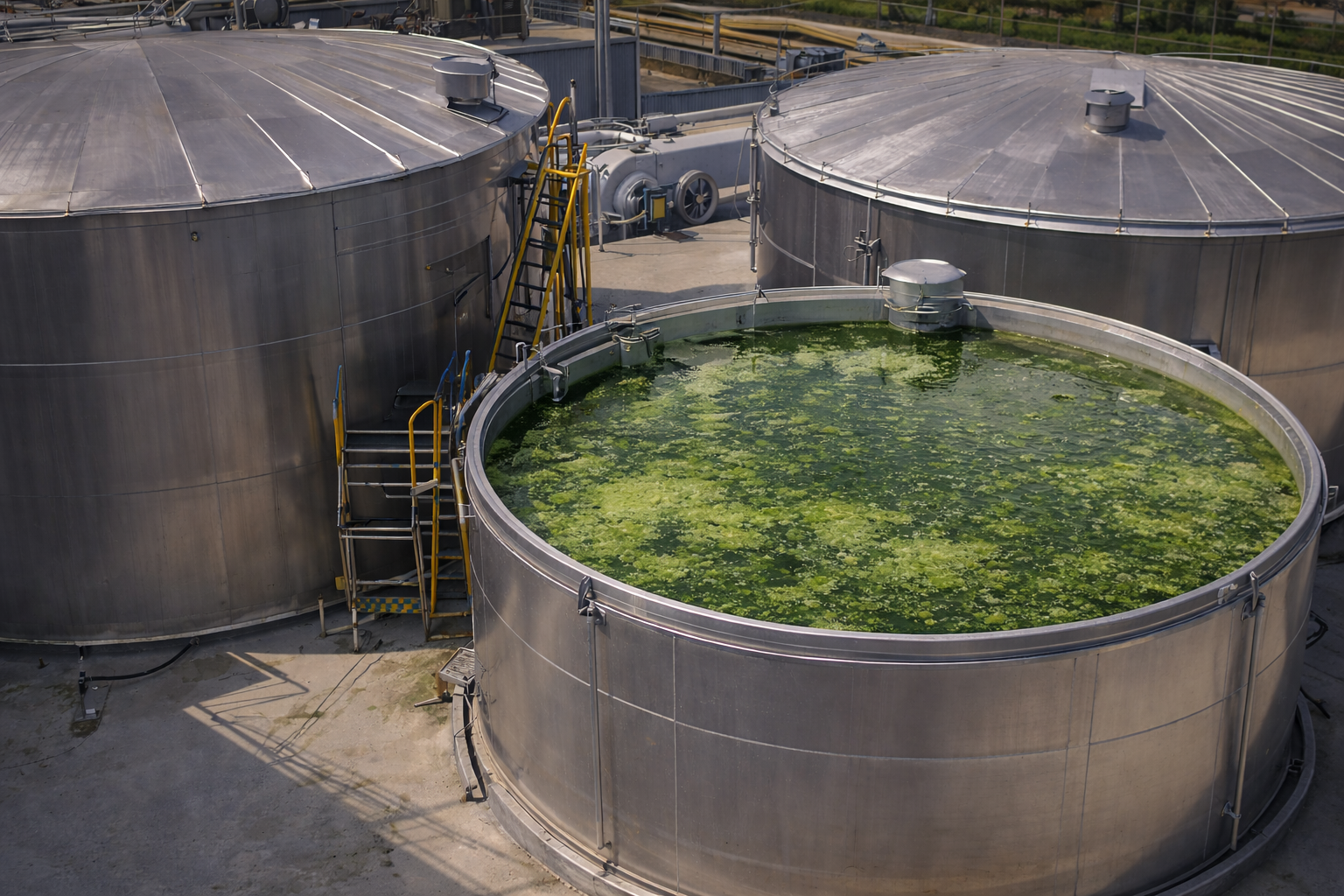
Understanding Detect And Remove Algae In Water Storage Tanks is essential. Water storage tanks are essential components of any building’s plumbing system, ensuring a consistent supply of clean drinking water. However, they can also become breeding grounds for algae if not properly maintained. Algae growth in water storage tanks poses health risks and can negatively impact the taste and quality of your water. In this guide, we will discuss how to detect and remove algae from your water storage tank effectively.
Detect And Remove Algae In Water Storage Tanks – Detecting Algae Growth in Your Water Storage Tank
Algae can be detected through visual inspection and by checking for signs of contamination. Regularly inspect the tank to look for:
- Discolored water (often green or brown)
- Visible growth on tank walls, particularly in areas with minimal sunlight exposure
- A foul odor from the stored water
If you notice any of these signs, it is essential to clean your tank promptly. Early detection and removal of algae can prevent potential health risks and maintain water quality.
Detect And Remove Algae In Water Storage Tanks – Preparing for the Cleaning Process
Before initiating the cleaning process, ensure that all necessary equipment is available:
- Gloves and protective clothing
- Pump or siphon to drain the tank
- Bucket(s) and cleaning solution (DM-approved)
- Disinfectant suitable for water storage tanks
Ensure that your tank is isolated from other plumbing systems to avoid cross-contamination. Drain the tank completely, following safety procedures to prevent accidents. This relates directly to Detect And Remove Algae In Water Storage Tanks.
Detect And Remove Algae In Water Storage Tanks – Removing Sediment and Debris from the Tank
The first step in cleaning a water storage tank with algae growth is removing sediment and debris:
- Drain the tank completely, ensuring all water is removed.
- Use a pump or siphon to extract any remaining water from the bottom of the tank.
- Scrub the interior surfaces of the tank with a stiff brush and cleaning solution. Pay special attention to areas where algae have formed.
Thoroughly rinse all surfaces with clean water before proceeding to the next step.
Applying Disinfectant Soak to Eliminate Algae
To eliminate algae effectively, apply a disinfectant soak:
- Pour the approved disinfectant into the tank according to manufacturer guidelines. Ensure even distribution.
- Allow the solution to sit for the recommended dwell time (typically 12-24 hours). This period is crucial for the disinfectant to penetrate and kill all algae.
Avoid disturbing the water during this period, as it can lead to re-contamination. At the end of the dwell time, rinse the tank thoroughly with clean water to remove any remaining chemicals. When considering Detect And Remove Algae In Water Storage Tanks, this becomes clear.
Rinsing and Refilling the Water Storage Tank
Once the disinfection process is complete, it’s important to:
- Rinse the tank thoroughly with clean water. Ensure all chemicals are removed.
- Allow the tank to air dry if possible or refill with fresh water immediately. Refill from a clean source, preferably chlorinated municipal water.
Once refilled, run the taps until the water runs clear, ensuring no disinfectant residues remain in your plumbing system.
Preventive Maintenance Tips for Algae Prevention
To prevent algae growth and maintain clean water storage:
- Regularly inspect the tank, at least twice a year, to detect early signs of contamination.
- Ensure proper ventilation around the tank to reduce moisture buildup.
- Keep the tank covered with a properly sealed lid to prevent sunlight from entering and promoting algae growth.
By implementing these preventive measures, you can significantly reduce the risk of algae formation in your water storage tanks.
FAQ: Questions About Algae Removal in Water Storage Tanks
- Q1. How often should I clean my water tank for algae removal?
- A1. It is recommended to perform a thorough cleaning at least once a year, or more frequently if you notice any signs of contamination.
- Q2. Can I use regular household bleach to remove algae from the tank?
- A2. No, it’s important to use DM-approved chemicals specifically designed for water storage tanks. Household bleach may not be effective and can harm your plumbing system.
- Q3. How long does it take for the disinfectant to work?
- A3. The disinfectant needs to sit in the tank for at least 12-24 hours, depending on the product instructions. This time is crucial for effective algae removal.
Conclusion
By following this comprehensive guide, you can effectively detect and remove algae from your water storage tanks, ensuring a safe and clean drinking water supply. Regular maintenance and preventive measures are key to avoiding future issues. Remember that proper cleaning practices not only protect your family’s health but also comply with local regulations. Understanding Detect And Remove Algae In Water Storage Tanks is key to success in this area.