






Understanding the Signs of Contamination in Residential water Tanks
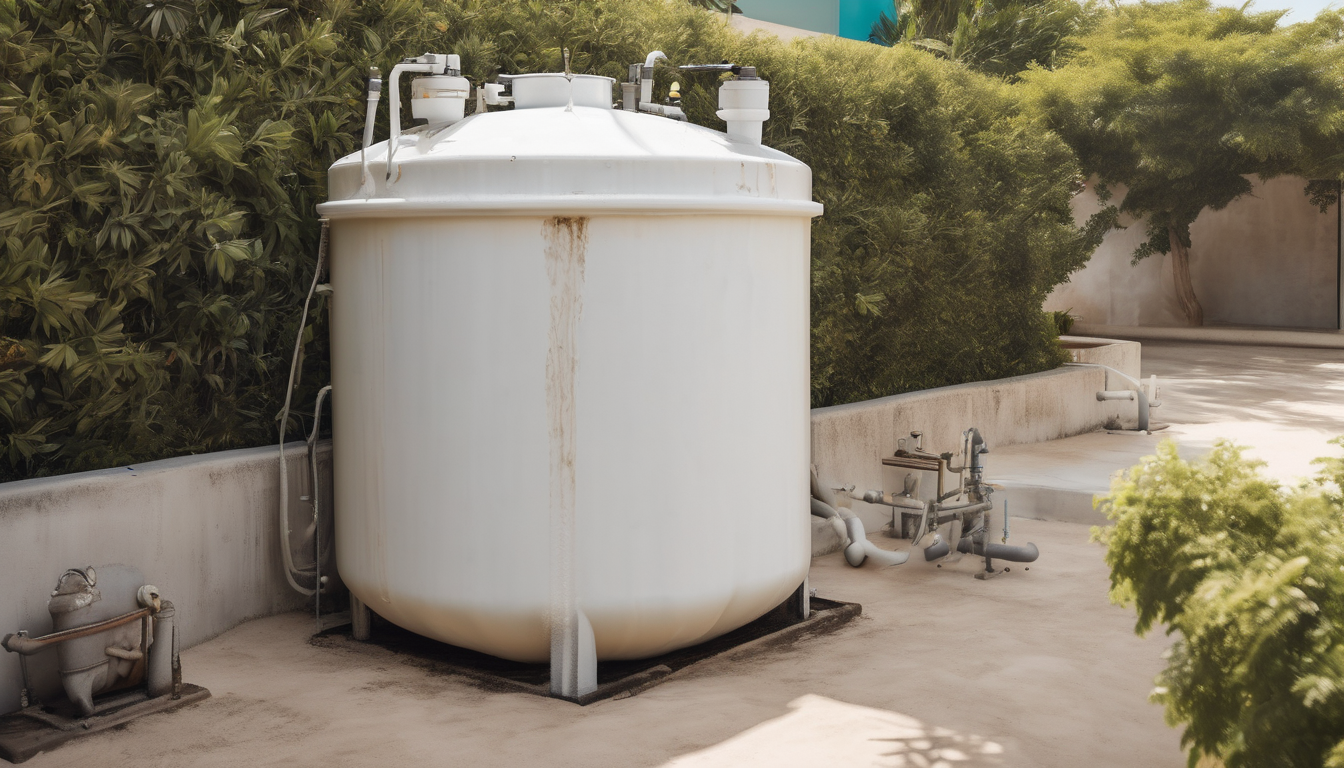
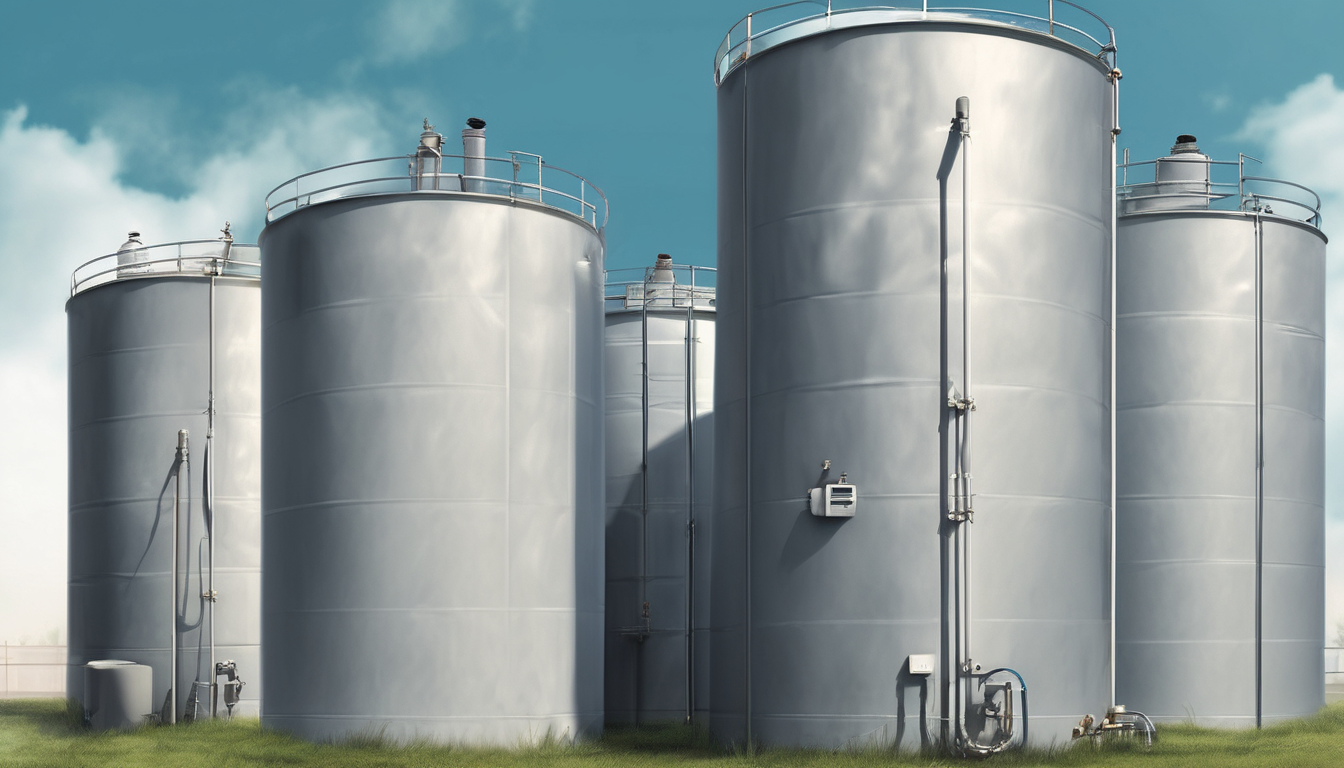
Residential water tanks are essential for storing and distributing clean drinking water. However, they can become contaminated over time due to various factors such as algae growth, biofilm formation, or rust buildup. Identifying these signs early is crucial to ensure that the water remains safe for consumption. This relates directly to Signs Of Contamination In Residential Water Tanks.
Physical Visual Checks for Contaminated Residential Water Tanks
Regular visual inspections can help you spot potential issues before they become serious:
- Discoloration: Check the water coming from your taps. If it’s cloudy, brown, or has a different color than usual, it may indicate contamination.
- Sediment Buildup: Look for visible particles at the bottom of the tank. High levels of sediment can be a sign of sludge accumulation.
Chemical Tests for Water Quality: Identifying Contaminants
While visual checks are important, chemical tests provide more accurate information:
- PH Testing: Use a pH test kit to measure the acidity level. Significant deviations from normal levels can indicate contamination.
- Bacterial Tests: Conduct bacterial culture tests to detect harmful microorganisms in your water supply.
Detecting Changes in Odor and Taste as Signs of Contamination
Changes in taste or smell can be early warning signs that your tank needs attention:
- Rotten Egg Smell: This could indicate the presence of hydrogen sulfide, which is a sign of bacterial growth.
- Foul Odor: Any unusual or strong smell should be investigated further.
Signs of Sludge and Algae Growth: Indicating Poor Hygiene
Algae growth can significantly compromise water quality. Here are some signs to watch for:
- Growth on Tank Walls: Inspect the interior surfaces for greenish or black deposits.
- Increased Sediment: Algae often contribute to higher levels of sediment in the tank.
Biofilm Formation and Its Role in Tank Contamination
Biofilms are complex microbial communities that can form on surfaces inside water tanks. They can protect harmful microorganisms, making them harder to detect:
- Color Changes: Biofilm may appear as a slimy or discolored layer.
- Growth in Tanks: Regularly check for signs of biofilm formation, especially if your water has a musty smell.
Rust Buildup on Tank Walls as a Sign of Leaks or Corrosion
Rust can be an indicator that the tank is leaking or suffering from corrosion. Rust particles in your water are not only unsightly but also harmful:
- Visible Rust Particles: Examine the water for any red or brownish particles.
- Tank Inspection: Conduct a thorough inspection of the tank’s interior to check for signs of rust.
Foul Smell and Discoloration: Immediate Contamination Indicators
If you notice any foul smell or discoloration in your water, take immediate action:
- Immediate Inspection: Contact a professional to inspect the tank immediately.
- Tank Cleaning: Schedule a thorough cleaning and disinfection as soon as possible.
Post-Cleaning Maintenance Checks to Prevent Future Contaminations
To ensure long-term water quality, perform regular maintenance checks after cleaning the tank. This includes:
- Regular Inspections: Schedule annual or bi-annual inspections to catch any early signs of contamination.
- Maintenance Logs: Keep detailed logs of your cleaning and inspection activities for record-keeping purposes.
Signs Of Contamination In Residential Water Tanks – Expert Tips for Detecting and Addressing Tank Contamination
Here are some expert tips to help you maintain the cleanliness and safety of your residential water tank:
- Regular Inspections: Conduct regular visual checks and chemical tests.
- Professional Cleaning: Hire a certified expert for thorough cleaning and disinfection.
- Hygiene Practices: Practice good hygiene by using clean tools and equipment during maintenance.
Frequently Asked Questions (FAQs)
- Q: How often should I check for signs of contamination in my water tank?
A: It’s recommended to perform visual checks every few months and chemical tests at least once a year.
- Q: Can professional cleaning prevent all types of contamination?
A: While professional cleaning can significantly reduce the risk, ongoing maintenance is necessary to address any new issues that may arise.
- Q: What are some common signs that my water tank needs immediate attention?
A: Immediate attention should be given if you notice a foul smell, discoloration, or unusual taste in the water. These can be strong indicators of contamination. When considering Signs Of Contamination In Residential Water Tanks, this becomes clear.
Conclusion: The Importance of Regular Water Tank Cleaning
Regular monitoring and maintenance are crucial to ensure that your residential water tank remains free from contaminants. By recognizing early signs of contamination, you can take proactive steps to protect the health and safety of your family. Understanding Signs Of Contamination In Residential Water Tanks is key to success in this area.