







Introduction to Biofilm in Residential Water Storage
Regular water tank cleaning is essential for maintaining safe drinking water, but biofilm prevention strategies are equally important. Biofilm is a complex community of microorganisms that adhere to surfaces and form slimy layers. In residential storage tanks, biofilm can lead to the growth of harmful bacteria, algae, and other contaminants, posing serious health risks to your family.
Biofilm Prevention Strategies In Residential Water Storage – What is Biofilm and Why Does It Matter?
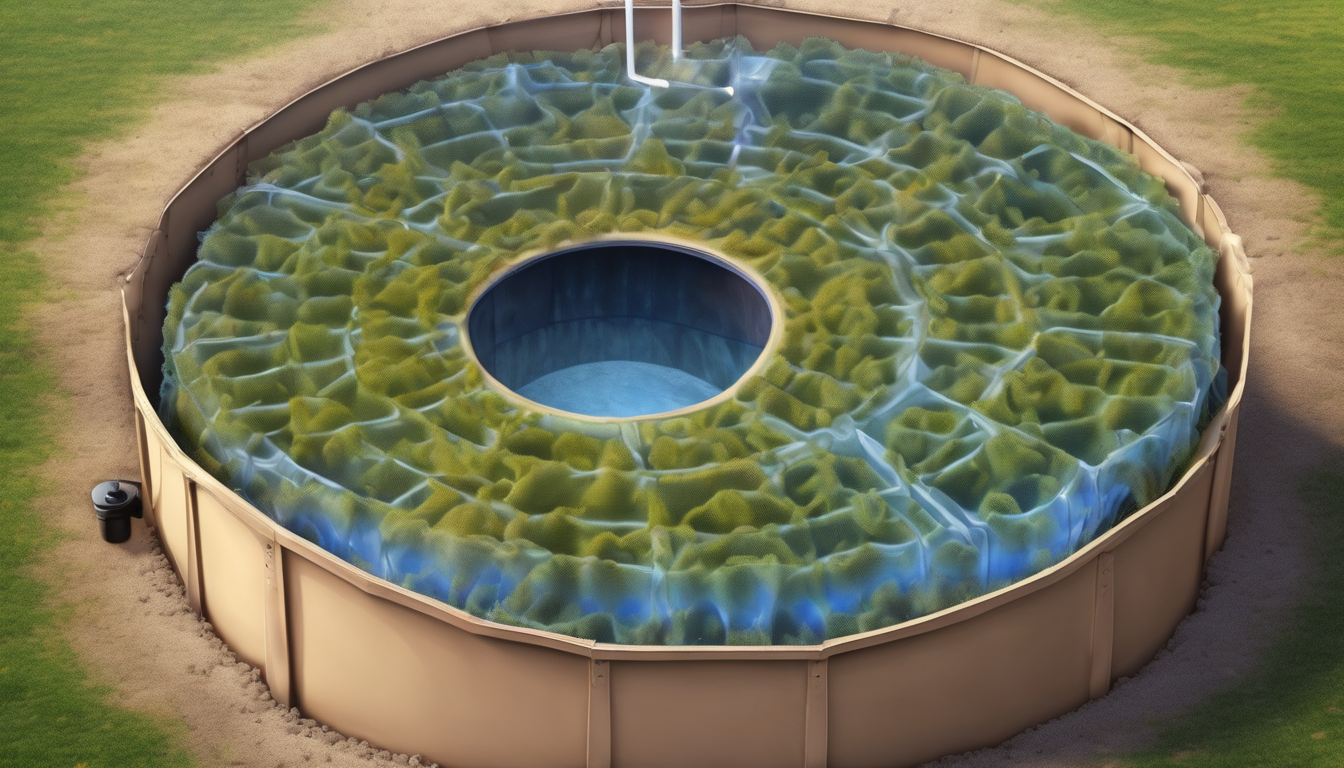
Biofilms are communities of microorganisms that attach themselves to surfaces in water tanks. These biofilms can harbor a wide range of pathogens, including E. coli, Legionella, and Pseudomonas aeruginosa. Over time, these microorganisms can form a protective layer that makes them resistant to disinfectants and harsh cleaning methods.
Understanding the impact of biofilm is crucial because it not only affects water quality but also increases the risk of waterborne illnesses. Biofilms can lead to taste and odor issues in drinking water, causing discomfort for family members. Additionally, they can contribute to the deterioration of plumbing systems by releasing toxins into the water supply. This relates directly to Biofilm Prevention Strategies In Residential Water Storage.
Biofilm Prevention Strategies In Residential Water Storage – Using Algaecides for Biofilm Prevention
Algaecides are chemical treatments designed to control and prevent algae growth in water storage tanks. These products contain active ingredients that target microorganisms, inhibiting their ability to form biofilms. When used correctly, algaecides can significantly reduce the risk of biofilm formation.
However, it is important to choose algaecides approved for potable water use by local health authorities. For example, in Dubai, the UAE Municipality requires the use of DM-approved chemicals during tank cleaning and disinfection processes. Regular application of algaecides should be part of a comprehensive biofilm prevention strategy. When considering Biofilm Prevention Strategies In Residential Water Storage, this becomes clear.
Biofilm Prevention Strategies In Residential Water Storage – Chlorine Dosing Strategies to Prevent Biofilm Growth
Chlorine is one of the most effective agents for preventing biofilm formation in water storage tanks. It works by oxidizing and killing microorganisms, disrupting their ability to adhere to surfaces and form biofilms.
To effectively use chlorine dosing strategies:
– Pre-dose: Apply a higher concentration of chlorine before regular tank cleaning to ensure thorough disinfection.
– Post-dose: Maintain residual levels of free chlorine in the water supply after cleaning to prevent new biofilm growth. This can be achieved through continuous chlorination systems or periodic dosing. The importance of Biofilm Prevention Strategies In Residential Water Storage is evident here.
It is essential to follow local guidelines for chlorine usage, as overuse can lead to harmful by-products and taste/odor issues in drinking water. The optimal chlorine dose depends on factors such as tank size, water volume, and the presence of organic matter. Understanding Biofilm Prevention Strategies In Residential Water Storage helps with this aspect.
Optimal Tank Cleaning Frequencies for Biofilm Control
Regular cleaning is crucial for preventing biofilm formation, but how often should you clean your residential storage tank? The frequency depends on several factors:
– Climate and Environmental Factors: High temperatures and low water turnover can accelerate biofilm growth. In Dubai’s hot climate, tanks may require more frequent cleaning.
– Water Usage Patterns: Tanks used by large families or commercial properties may need to be cleaned more often than those in smaller households.
– Type of Tank Material: Concrete and GRP (Glass Reinforced Plastic) tanks are prone to biofilm formation due to their porous nature.
For optimal biofilm control, consider the following cleaning schedules:
– Concrete Tanks: Every 6 months to annually
– GRP Tanks: Every 12 to 18 months Biofilm Prevention Strategies In Residential Water Storage factors into this consideration.
Regular inspections can help identify signs of biofilm growth and determine when cleaning is necessary. A combination of regular cleaning and maintenance with preventive measures such as algaecides and chlorine dosing will keep your water storage tank free from harmful contaminants. This relates directly to Biofilm Prevention Strategies In Residential Water Storage.
Adding Oxygen to Water Tanks for Biofilm Prevention
Oxygen plays a crucial role in preventing biofilm formation by disrupting the microorganisms’ ability to adhere to surfaces. By increasing oxygen levels in the water, you can inhibit bacterial growth and reduce the risk of biofilm development.
To add oxygen to your water tank:
– Use Aeration Devices: Install air stones or diffusers that release bubbles into the water, increasing its oxygen content.
– Pump Fresh Water In: Regularly replace a portion of the standing water with fresh, aerated water from an external source. When considering Biofilm Prevention Strategies In Residential Water Storage, this becomes clear.
Increasing the dissolved oxygen levels in your tank can be particularly effective when combined with other biofilm prevention strategies such as algaecides and chlorine dosing. This approach is especially beneficial for tanks that have been inactive for extended periods or are located in areas with poor water circulation. The importance of Biofilm Prevention Strategies In Residential Water Storage is evident here.
Maintaining and Inspecting Your Water Storage Tank
Regular maintenance and inspections are key to preventing biofilm formation:
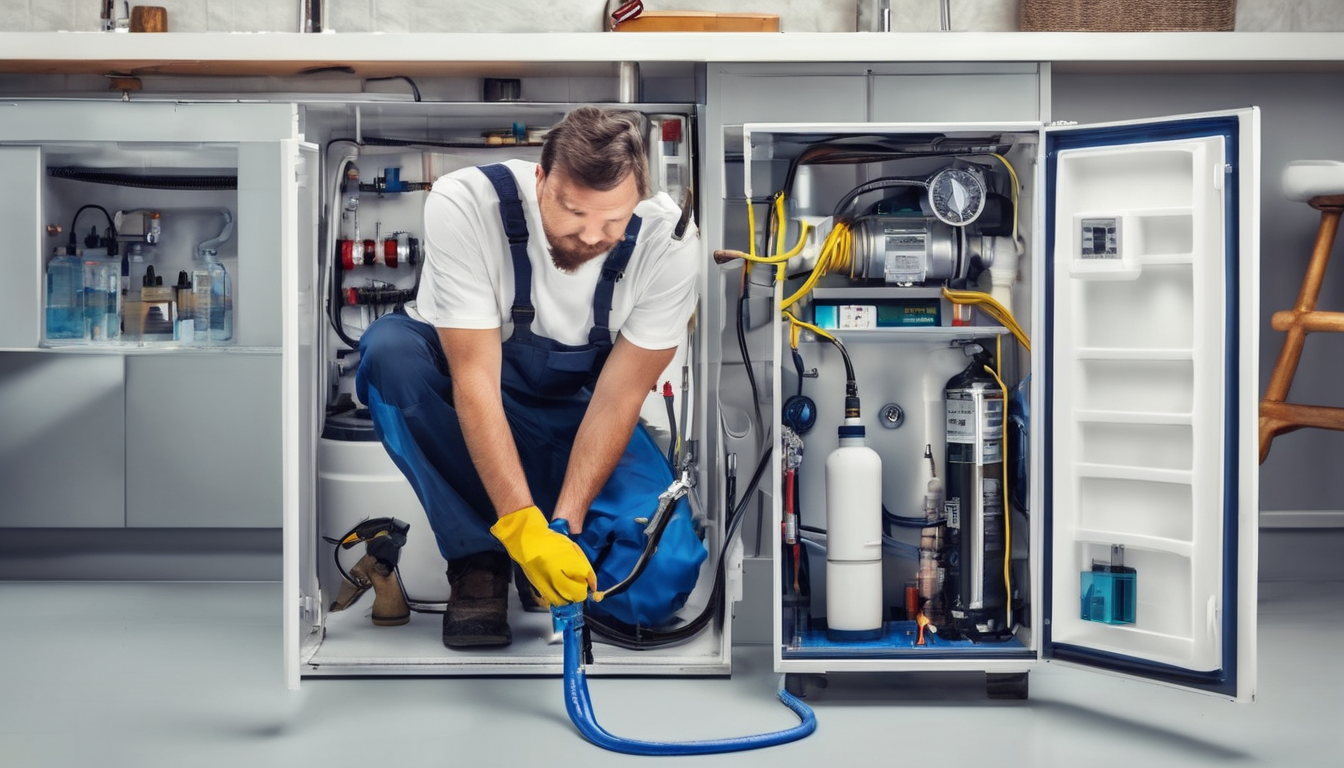
– Pre-Cleaning Inspection: Check the tank for cracks, leaks, or signs of contamination before cleaning. This helps identify areas that need special attention.
– Post-Cleaning Inspection: Perform a thorough inspection after each cleaning session to ensure all surfaces are clean and free from biofilm.
Creating detailed checklists can help you stay organized and ensure comprehensive coverage during maintenance tasks. These checklists should include:
– Tank Condition:** Check for structural integrity, leaks, or signs of corrosion.
– Water Quality:** Test pH levels, turbidity, and total dissolved solids to ensure optimal water quality.
– Biological Contaminants:** Look for signs of biofilm growth such as discolored water, odors, or slime.
Regular inspections can help you identify potential issues early, preventing them from escalating into major problems. By maintaining consistent records of your maintenance activities and inspection results, you can demonstrate compliance with local health regulations and ensure the safety of your family’s drinking water.
Expert Tips for Homeowners
As a homeowner, understanding biofilm prevention strategies is crucial to safeguarding your family’s health. Here are some expert tips:
– Choose DM-Approved Chemicals:** Always use chemicals approved by the Dubai Municipality during cleaning and disinfection processes.
– Implement Regular Cleaning Schedules:** Develop a routine maintenance plan that includes both regular cleaning and preventive measures such as algaecide application and chlorine dosing.
– Monitor Water Quality:** Test your water regularly for contaminants and adjust your biofilm prevention strategy accordingly.
– Engage Professional Services:** Consider hiring certified experts for tank cleaning and disinfection to ensure thorough and compliant practices.
By following these tips, you can significantly reduce the risk of biofilm formation in your residential water storage tank and maintain a safe drinking water supply.
FAQs About Biofilm Prevention in Residential Water Storage
– How often should I clean my residential water tank? The cleaning frequency depends on several factors, including climate, water usage patterns, and tank material. Aim for every 6 months to annually.
– Can I use household bleach instead of professional algaecides? Household bleach can be used but may not provide the same effectiveness as DM-approved chemicals. It’s best to consult with a certified expert for guidance.
– How does adding oxygen help prevent biofilm growth? Oxygen disrupts the microorganisms’ ability to adhere to surfaces, making it harder for them to form biofilms.
Conclusion: Protecting Your Family’s Health with Safe Drinking Water
Biofilm prevention is a crucial aspect of maintaining safe drinking water in residential storage tanks. By implementing comprehensive strategies such as regular cleaning, using algaecides and chlorine dosing, and adding oxygen to your tank, you can significantly reduce the risk of biofilm formation and protect your family’s health.
Remember that proactive measures are key to ensuring long-term water safety. Regular inspections and maintenance will help you stay ahead of potential issues and maintain a clean and hygienic environment for your family. Understanding Biofilm Prevention Strategies In Residential Water Storage is key to success in this area.