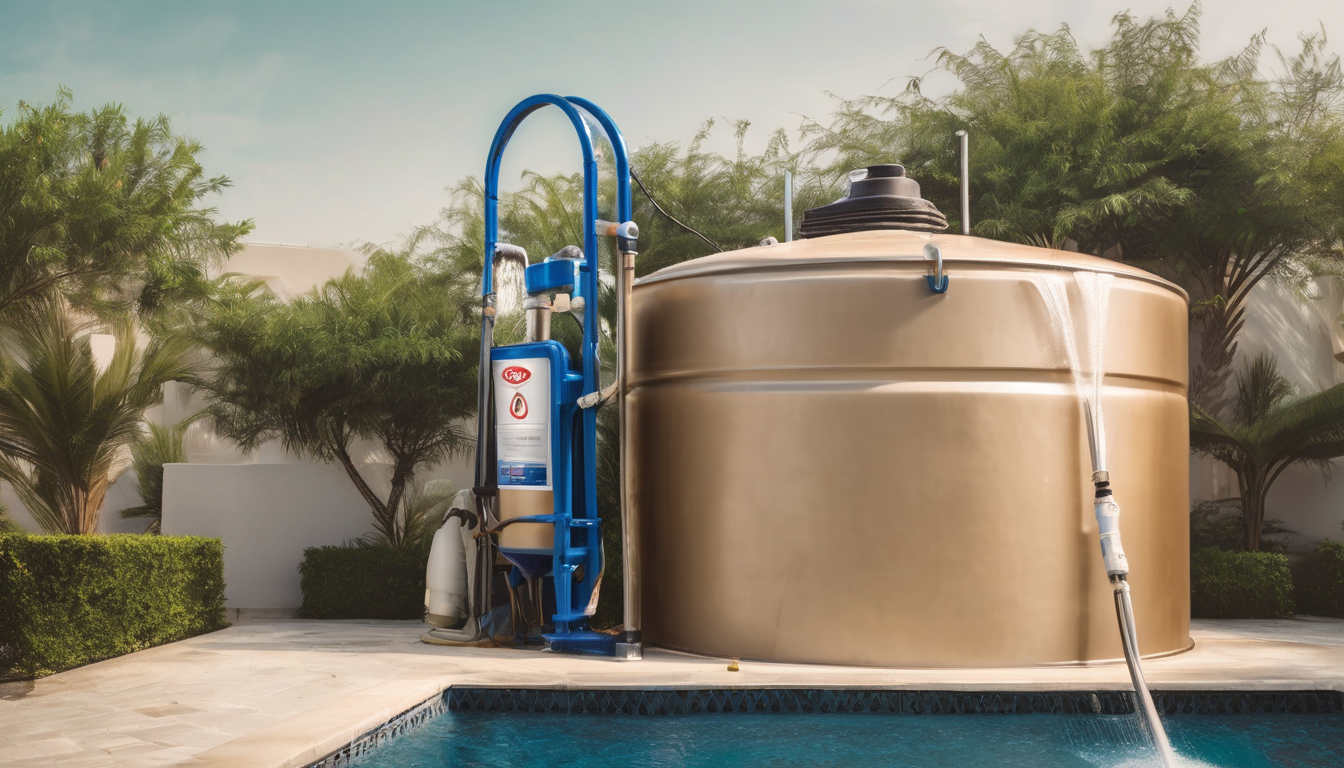










Understanding Identify Contaminants in Plastic Water Tanks is essential.
Table of Contents
Understanding How to Identify Contaminants in Plastic Water Tanks
Plastic water storage tanks are a common sight in residential, commercial, and industrial settings. Over time, these tanks can accumulate various contaminants that pose risks to your family’s health. This guide will walk you through identifying potential issues within plastic water tanks and provide actionable steps to maintain clean and hygienic water storage.
Identify Contaminants In Plastic Water Tanks – Common Contaminants in Plastic Water Tanks
Contaminants can enter plastic water tanks from various sources, including air, dust, and external materials. Identifying these contaminants early is crucial for maintaining safe drinking water. Common issues include biofilm growth, algae accumulation, and sediment buildup.
Common Contaminants in Plastic Water Tanks
- Algae: Thrives in warm temperatures and can turn water green or brown.
- Biofilm: A layer of microorganisms that can harbor harmful bacteria like E. coli.
- Sediment: Includes sand, dirt, and rust particles that can affect taste and clarity.
Identify Contaminants In Plastic Water Tanks – Signs of Contamination: What to Look For
Detecting signs of contamination is the first step in addressing potential issues. Here are some indicators:
- Water Discoloration: Yellow, brown, or green water can signal algae growth.
- Taste and Odor Changes: Off flavors or foul odors may indicate biofilm presence.
- Cloudy Water: Sediment buildup will cause the water to appear murky.
- Visible Residue: A layer of sediment on tank walls can be visible during draining.
Testing and Diagnosing Issues with Your Tank
To confirm contamination, you may need professional testing. Common methods include visual inspections, water quality tests, and microbiological analyses. These tests help identify the specific type of contaminant for targeted cleaning.
Preventing Contaminants in Plastic Water Tanks
Regular maintenance is key to preventing contaminants from entering your water storage system:
- Proper Tank Placement: Position the tank away from direct sunlight and sources of pollution.
- Diligent Filtration: Install high-quality filters to catch sediment before it enters the tank.
- Regular Cleaning Schedules: Avoid long periods of inactivity by performing routine cleaning.
How to Clean Your Plastic Water Tank Properly
Professional water tank cleaning is essential for removing contaminants. Follow these steps:
- Pre-Cleaning Inspection: Check for cracks, leaks, and signs of biofilm before starting.
- Tank Isolation: Disconnect the tank from the system to prevent cross-contamination during cleaning.
- Chemical Disinfection: Apply approved disinfectants as per Dubai Municipality guidelines.
- Rinsing and Refilling: Thoroughly rinse the tank before refilling with clean water.
Expert Tips for Maintaining Hygiene in Water Storage
- Use Approved Chemicals: Always use chemicals approved by the Dubai Municipality to avoid harmful residues.
- Follow SOPs: Adhere to standard operating procedures for safe and effective cleaning.
- Document Each Service: Maintain detailed logs of each maintenance service for compliance purposes.
FAQ on Contaminants in Plastic Water Tanks
- How often should I clean my plastic water tank? A minimum of once every 6 months is recommended, with more frequent cleaning if contamination issues arise.
- Can I use bleach to clean the tank? No, only chemicals approved by the Dubai Municipality should be used for disinfection.
- What are the signs that my water tank needs cleaning? Look for discolored water, bad odors, or visible biofilm growth inside the tank.
Conclusion
Maintaining a clean and hygienic plastic water storage system is crucial for protecting your family’s health. By understanding common contaminants, recognizing signs of contamination, and following proper cleaning procedures, you can ensure safe drinking water in your home or business. Understanding Identify Contaminants In Plastic Water Tanks is key to success in this area.