




Introduction
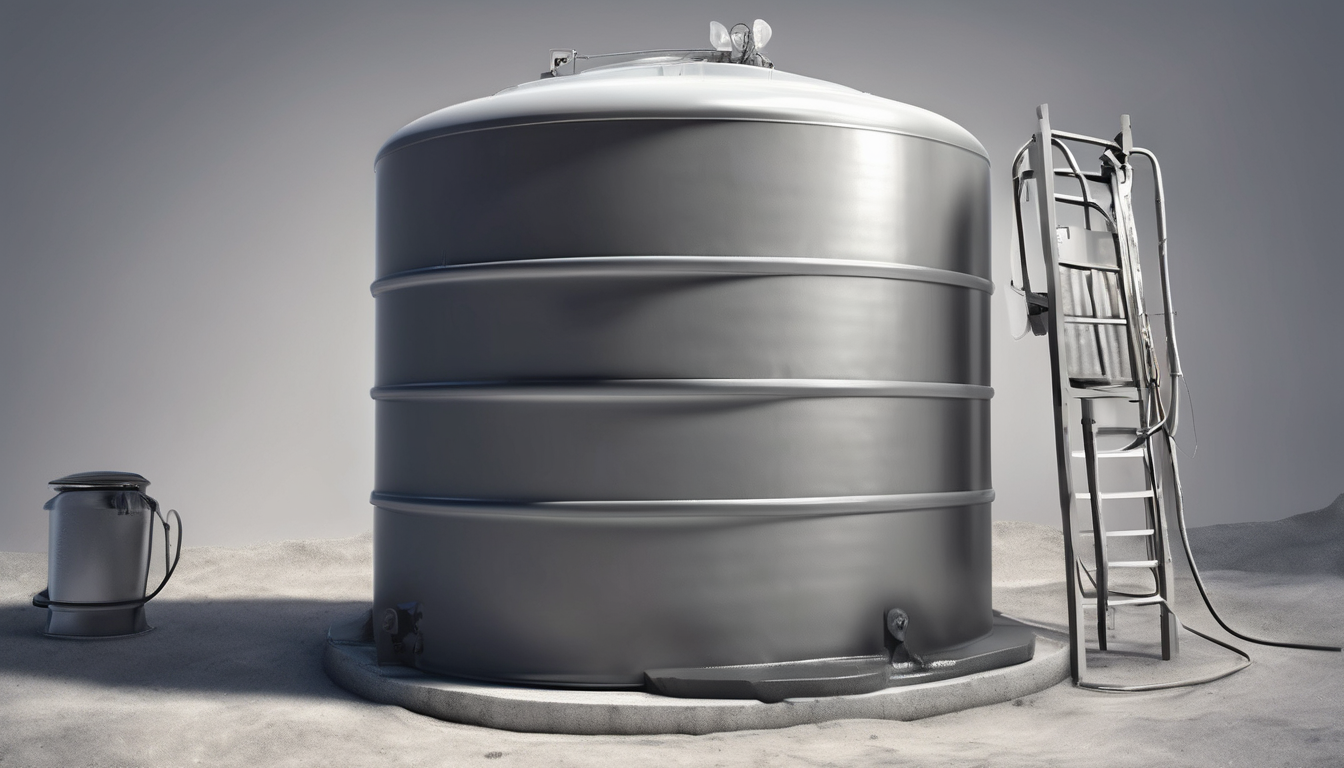
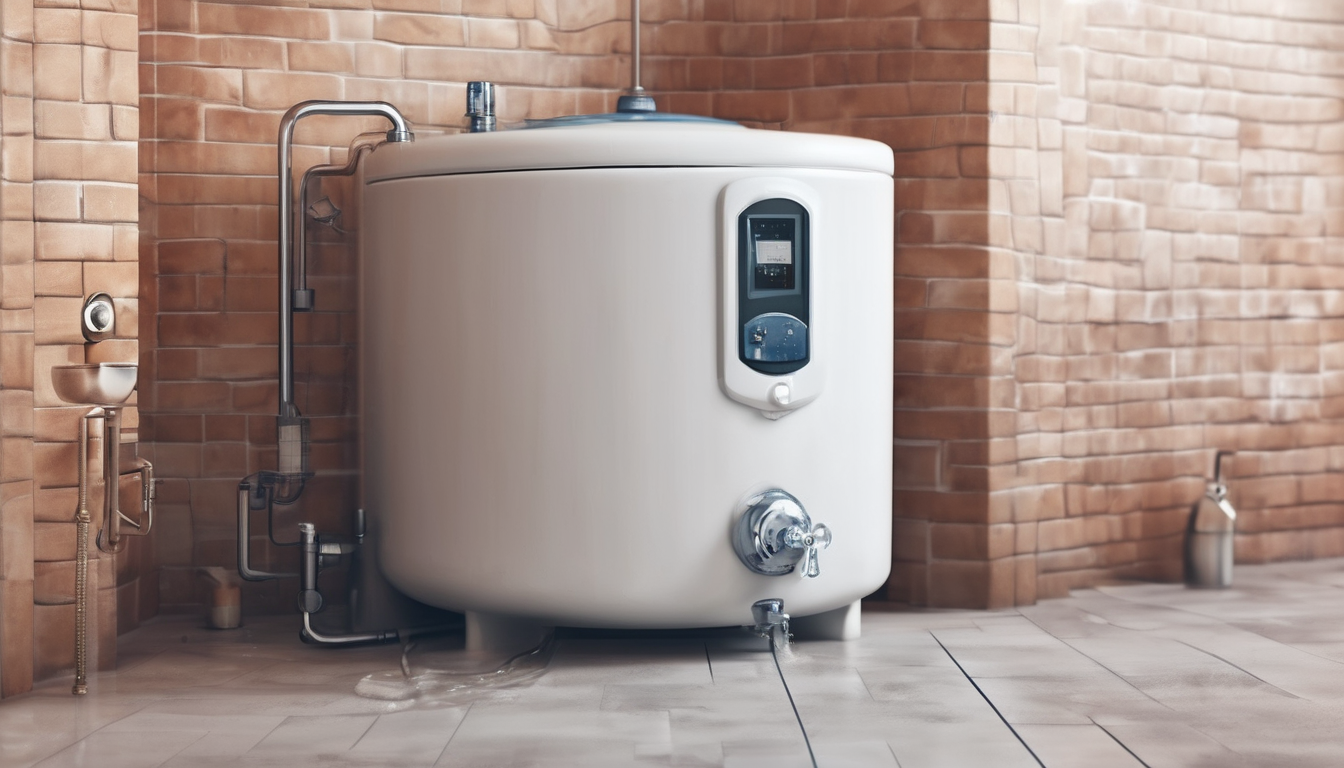
Understanding Salt Content Impact Hot Water Tank Lifespan is essential. Hot water tanks are essential for providing warm water in homes, businesses, and other establishments across Dubai, Abu Dhabi, and Sharjah. However, the presence of high salt content in your water can significantly shorten their lifespan and affect performance. This guide delves into how salt content impacts hot water tank longevity and offers practical steps to mitigate these effects.
Understanding Salt Buildup in Hot Water Tanks
Hot water tanks are prone to salt buildup, which can occur due to the presence of hard water or a malfunctioning water softener. When high levels of sodium and other minerals are present in the water, they can deposit as scale on the tank’s internal surfaces, leading to corrosion over time.
Causes of Salt Buildup
- Hard water with high mineral content, particularly sodium and calcium.
- Malfunctioning or poorly maintained water softeners that do not effectively remove excess minerals.
- Prolonged exposure to saltwater, especially in coastal areas or regions with saline groundwater.
Impact of Salt on Tank Materials
The presence of salt can cause significant damage to the materials used in hot water tanks. Stainless steel and plastic are commonly used due to their durability, but even these can be affected by high salt content.
Corrosion Mechanisms
- Salt accelerates the corrosion process by breaking down protective layers on metals, leading to pitting and thinning of the tank walls.
- Plastic tanks can also suffer damage as salt residues may weaken or degrade their polymer composition over time.
Corrosion Prevention Strategies for Hot Water Tanks
To protect your hot water tank from corrosion caused by high salt content, consider the following strategies:
Regular Maintenance and Inspections
- Inspect the tank annually or as recommended by the manufacturer.
- Check for signs of leaks, rust, or other structural damage that may indicate corrosion.
Use of Corrosion Inhibitors
- Additives specifically designed to inhibit corrosion can be used in conjunction with your water softener system.
- Consult a professional for appropriate products and application methods.
Can Salt Residue Affect Water Softener Performance?
Water softeners are designed to reduce the hardness of water by exchanging calcium and magnesium ions with sodium. However, if not properly maintained, they can lead to salt residue accumulation in your hot water tank.
Monitor Softener Functionality
- Regularly check the softener’s operation and backwash cycles.
- Ensure that the brine level is correct to prevent over-salination of the water.
Safe Cleaning Methods for Concrete Tanks with Salt Buildup
Cleaning concrete tanks can be challenging due to their porous nature. However, using safe and effective methods is crucial to maintain the tank’s integrity.
Manual Cleaning Procedures
- Thoroughly drain and isolate the tank before starting the cleaning process.
- Use a mild detergent solution to clean the interior surfaces, avoiding harsh chemicals that can damage concrete.
Preventing Contamination in Water Storage Systems with Salt
Contaminants like salt can not only affect tank longevity but also pose health risks. Implementing preventive measures is key to maintaining clean and safe water storage. This relates directly to Salt Content Impact Hot Water Tank Lifespan.
Proper Maintenance Practices
- Regularly replace or filter out sediment traps to remove debris before it enters the tank.
- Ensure that all connections are tight to prevent leaks and contamination.
Expert Tips for Long-Term Tank Protection
Here are some additional tips from seasoned water management experts:
- Regular Cleaning Schedule: Plan cleaning sessions based on the manufacturer’s recommendations.
- Water Softener Maintenance: Regularly service your water softener to ensure optimal performance and reduce salt accumulation.
- Use of Corrosion-Inhibiting Additives: Incorporate these products as part of a comprehensive maintenance plan.
Frequently Asked Questions (FAQs)
- Q: Is it normal for salt residue to accumulate in concrete tanks?A: Yes, but regular maintenance can prevent significant buildup and associated issues.
Q: Can I use vinegar or baking soda to clean my tank’s interior?
- A: While these are mild options, always test them on a small area first to ensure they do not damage the concrete surface.
Q: How often should I replace my water softener’s salt supply?
- A: Check the manufacturer’s guidelines and maintain regular backwash cycles to keep your system running smoothly.
When considering Salt Content Impact Hot Water Tank Lifespan, this becomes clear.
For more information, visit this resource.
Conclusion
Understanding how salt content impacts hot water tank lifespan is crucial for maintaining a reliable and safe water storage system. By implementing preventive measures, regularly servicing your equipment, and addressing any issues promptly, you can extend the life of your hot water tank and ensure that it continues to provide clean and warm water for years to come. Understanding Salt Content Impact Hot Water Tank Lifespan is key to success in this area.