

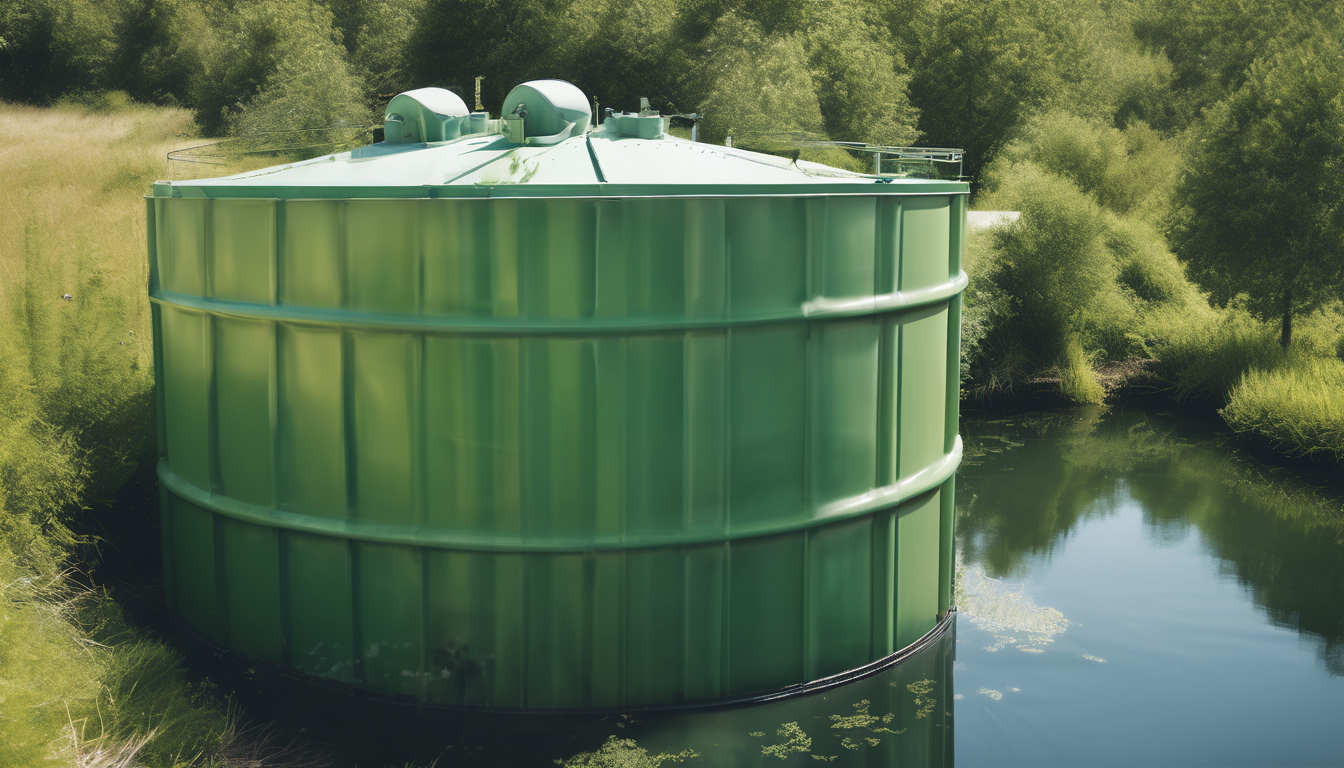

Algae growth in water tanks presents a significant health concern for homeowners and property managers across Dubai, Abu Dhabi, and Sharjah. The UAE’s intense sunlight and high temperatures create ideal conditions for algae proliferation, which can compromise water quality and pose health risks. Understanding How to prevent algae growth in water tanks is essential for maintaining safe drinking water and preventing contamination issues that affect both residential and commercial properties.
This comprehensive guide provides practical, actionable steps for preventing algae growth in water tanks, specifically tailored to the unique climate conditions of the UAE. Whether you’re dealing with underground concrete tanks, overhead plastic tanks, or complex commercial water systems, these proven methods will help you maintain algae-free water storage throughout the year. Learning how to prevent algae growth in water tanks effectively requires a combination of proper maintenance, environmental control, and regular professional intervention.
The consequences of algae contamination extend beyond visual concerns—algae can cause unpleasant odours, affect water taste, and create breeding grounds for harmful bacteria. By implementing the strategies outlined in this guide, you’ll protect your family’s health, extend your tank’s lifespan, and ensure compliance with Dubai Municipality water safety standards. Mastering how to prevent algae growth in water tanks is particularly crucial in our region, where high temperatures accelerate biological activity in stored water.
Prevent Algae Growth In Water Tanks – Understanding Algae Formation in Water Tanks
Algae growth begins when microscopic spores enter your water tank through various sources, including airborne particles, contaminated water supply, or improper maintenance practices. These organisms thrive in environments with sunlight exposure, warm temperatures, and stagnant water—conditions commonly found in UAE water storage systems. Understanding how algae develops is the first step in learning how to prevent algae growth in water tanks effectively.
In Dubai’s climate, where temperatures regularly exceed 40°C during summer months, water tanks can become incubators for algal blooms. The combination of heat and sunlight penetration creates ideal conditions for rapid algae proliferation. Different types of algae present varying challenges—green algae typically indicates sunlight exposure, while black or blue-green algae may signal more serious contamination issues that require immediate professional attention.
The biological process of algae formation involves photosynthesis, where algae cells convert sunlight, carbon dioxide, and nutrients into energy. This explains why tanks with any light penetration are particularly vulnerable. Learning how to prevent algae growth in water tanks requires addressing these fundamental environmental factors through proper tank design, regular maintenance, and strategic water management practices.
Prevent Algae Growth In Water Tanks – Essential Prevention Techniques for Algae Control
Implementing effective prevention techniques is crucial for mastering how to prevent algae growth in water tanks. The most fundamental strategy involves complete light exclusion, as algae cannot grow without sunlight. Ensure your water tank is constructed from opaque materials and consider adding additional UV-resistant coatings if necessary. For above-ground tanks, surrounding them with shade structures can significantly reduce sunlight exposure.
Regular water circulation prevents stagnation, which contributes to algae formation. Install automatic mixing systems or schedule periodic water turnover to keep water moving. Maintaining proper water temperature below 25°C helps inhibit algal growth—insulating tanks and positioning them away from direct sunlight are effective strategies. These practical approaches form the foundation of how to prevent algae growth in water tanks in residential and commercial settings.
Water quality management plays a vital role in algae prevention. Implementing filtration systems to remove nutrients that feed algae, maintaining proper chlorine levels (0.2-0.5 ppm as per Dubai Municipality guidelines), and ensuring balanced pH levels between 6.5 and 8.5 create an environment hostile to algal growth. These measures, combined with regular monitoring, provide comprehensive protection against contamination.
Prevent Algae Growth In Water Tanks – Professional Cleaning Methods for Algae Prevention
Professional water tank cleaning and disinfection services provide the most effective approach to how to prevent algae growth in water tanks. Certified technicians follow Dubai Municipality-approved procedures that include complete tank drainage, mechanical scrubbing to remove biofilm, and application of approved algaecides. These services typically cost between AED 800-2,500 depending on tank size and accessibility.
The professional process begins with thorough inspection using specialised equipment to assess algae presence and identify potential entry points. Technicians then perform comprehensive cleaning using high-pressure jets and manual brushing to remove all algal residue. The final disinfection stage uses Dubai-approved chemicals that eliminate remaining spores while maintaining water safety standards. This methodical approach ensures complete algae removal and prevention.
Regular professional maintenance every 6-12 months is recommended for most residential properties in the UAE, with higher-frequency cleaning (every 3-6 months) for commercial establishments or properties with historical algae issues. This proactive approach to how to prevent algae growth in water tanks through scheduled professional intervention prevents major contamination problems and ensures continuous water safety.
Dubai-Specific Considerations for Algae Prevention
The UAE’s unique environmental conditions require specialised approaches to how to prevent algae growth in water tanks. The intense sunlight and high temperatures necessitate more frequent maintenance schedules compared to cooler climates. During summer months, when temperatures regularly exceed 40°C, water tanks may require additional insulation or cooling measures to maintain temperatures below the optimal range for algal growth.
Dubai Municipality regulations specify strict guidelines for water tank maintenance and chemical usage. Only approved algaecides and disinfectants may be used, and all cleaning procedures must follow specific protocols to ensure water safety. Property owners should maintain records of all maintenance activities, as these may be required during municipal inspections. Understanding these local requirements is essential for effective algae prevention.
Water source considerations also affect how to prevent algae growth in water tanks in the UAE. Many properties receive desalinated water, which may have different mineral compositions that affect algal growth patterns. Regular water testing helps identify specific risk factors and allows for tailored prevention strategies. Professional services familiar with local water characteristics can provide the most effective prevention approaches.
Maintenance Schedule Planning for Algae Control
Developing a comprehensive maintenance schedule is crucial for understanding how to prevent algae growth in water tanks effectively. For residential properties in Dubai, we recommend professional cleaning every six months—typically before summer (April-May) and after summer (October-November). This schedule addresses the increased algae risk during hot months while maintaining protection throughout the year.
Commercial properties, schools, hospitals, and facilities with higher water usage should implement quarterly maintenance programs. These establishments face greater contamination risks due to higher water turnover and increased usage patterns. The investment in regular professional cleaning (typically AED 1,200-3,500 quarterly depending on tank size) prevents costly emergency interventions and ensures continuous compliance with health regulations.
Between professional cleanings, property owners should conduct monthly visual inspections and basic maintenance tasks. These include checking for light leaks, ensuring proper lid sealing, monitoring water clarity, and verifying that circulation systems are functioning correctly. This layered approach to how to prevent algae growth in water tanks through combined professional and owner maintenance provides optimal protection against contamination.
Detecting Early Warning Signs of Algae Growth
Early detection is crucial for effective algae management and understanding how to prevent algae growth in water tanks from becoming serious problems. The first visual indicator is often a green tint to the water, particularly noticeable in white sinks or baths. You might also notice a musty or earthy odour from your taps, which indicates algal presence even before visible signs appear.
Physical symptoms include slimy surfaces inside the tank or around fittings, which signal biofilm formation where algae begins to establish. Reduced water pressure may indicate algal buildup in pipes, while visible green patches on tank walls confirm active growth. Recognising these early warnings allows for prompt intervention before contamination affects water quality throughout the property.
Regular water testing provides the most reliable early detection method. Professional services can test for chlorophyll presence, turbidity levels, and biological oxygen demand—all indicators of algal activity. For properties with recurrent algae issues, installing continuous monitoring systems that alert owners to changes in water quality can be valuable investments in mastering how to prevent algae growth in water tanks effectively.
Expert Tips for Long-Term Algae Prevention
Based on twelve years of professional experience with water tank cleaning and disinfection across Dubai and the Northern Emirates, I’ve compiled these essential tips for how to prevent algae growth in water tanks:
- Install UV-blocking tank covers or paint exterior surfaces with light-reflective coatings to eliminate sunlight penetration
- Maintain water turnover by using stored water regularly and ensuring inlet/outlet positioning promotes circulation
- Schedule professional inspections before peak summer months when algae growth accelerates dramatically
- Use Dubai-approved algaecides during routine maintenance but avoid over-application that might affect water quality
- Ensure proper tank ventilation to prevent condensation while maintaining complete light exclusion
- Keep detailed maintenance records including cleaning dates, chemical applications, and inspection findings
- Address any tank cracks or seal failures immediately to prevent contamination entry points
- Consider installing automated monitoring systems that alert you to temperature changes or water quality issues
Frequently Asked Questions
How often should water tanks be cleaned to prevent algae in Dubai?
For most residential properties, professional cleaning every six months is recommended. Commercial properties may require quarterly cleaning. The intense summer heat in Dubai accelerates algae growth, making regular maintenance essential for effective prevention.
What chemicals are approved for algae prevention in UAE water tanks?
Dubai Municipality approves specific chlorine-based disinfectants and algaecides that are safe for potable water systems. Professional services use compounds like sodium hypochlorite at controlled concentrations (0.2-0.5 ppm residual chlorine) that eliminate algae while maintaining water safety.
Can I prevent algae growth without professional help?
While basic maintenance helps, professional cleaning provides complete algae removal and prevention. DIY methods often miss hidden contamination and may not use approved chemicals correctly. For guaranteed results and compliance with local regulations, professional services are recommended.
How quickly can algae regrow after cleaning?
Under ideal conditions (warm, sunny weather), algae can begin regrowing within 2-3 weeks if prevention measures aren’t implemented. With proper light exclusion and maintenance, professionally cleaned tanks can remain algae-free for 6-12 months.
Does algae affect water safety for drinking and cooking?
Yes, algae contamination can affect water taste, odour, and safety. Some algae types produce toxins or create conditions for harmful bacteria growth. Preventing algae growth is essential for maintaining potable water quality throughout your property.
Mastering how to prevent algae growth in water tanks requires consistent attention to maintenance, environmental controls, and professional intervention. By implementing the strategies outlined in this guide—from proper light exclusion and regular cleaning to Dubai-specific maintenance schedules—you can ensure your water storage remains clean, safe, and algae-free throughout the year. Remember that prevention consistently proves more effective and economical than dealing with established contamination, making regular professional maintenance a wise investment in your family’s health and property’s value.