

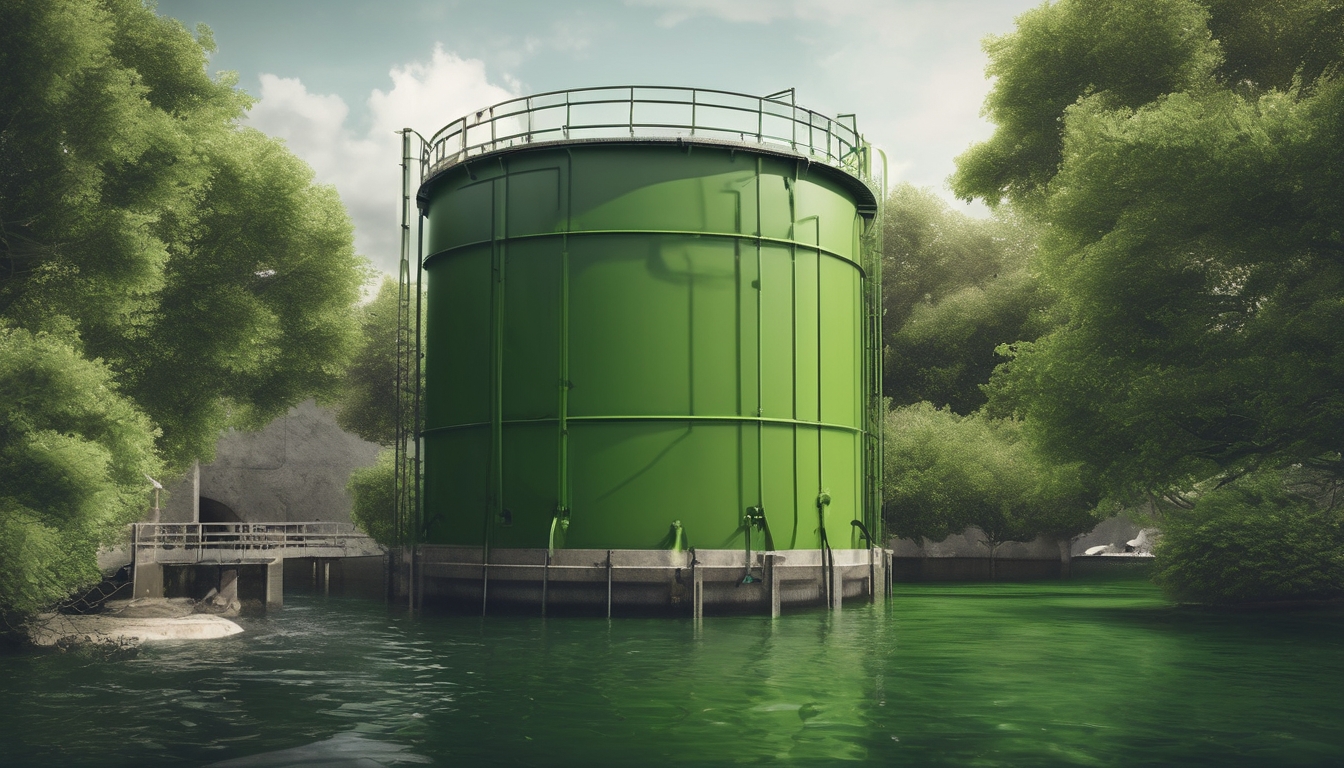

Introduction to Removing Algae From Large Water Tanks
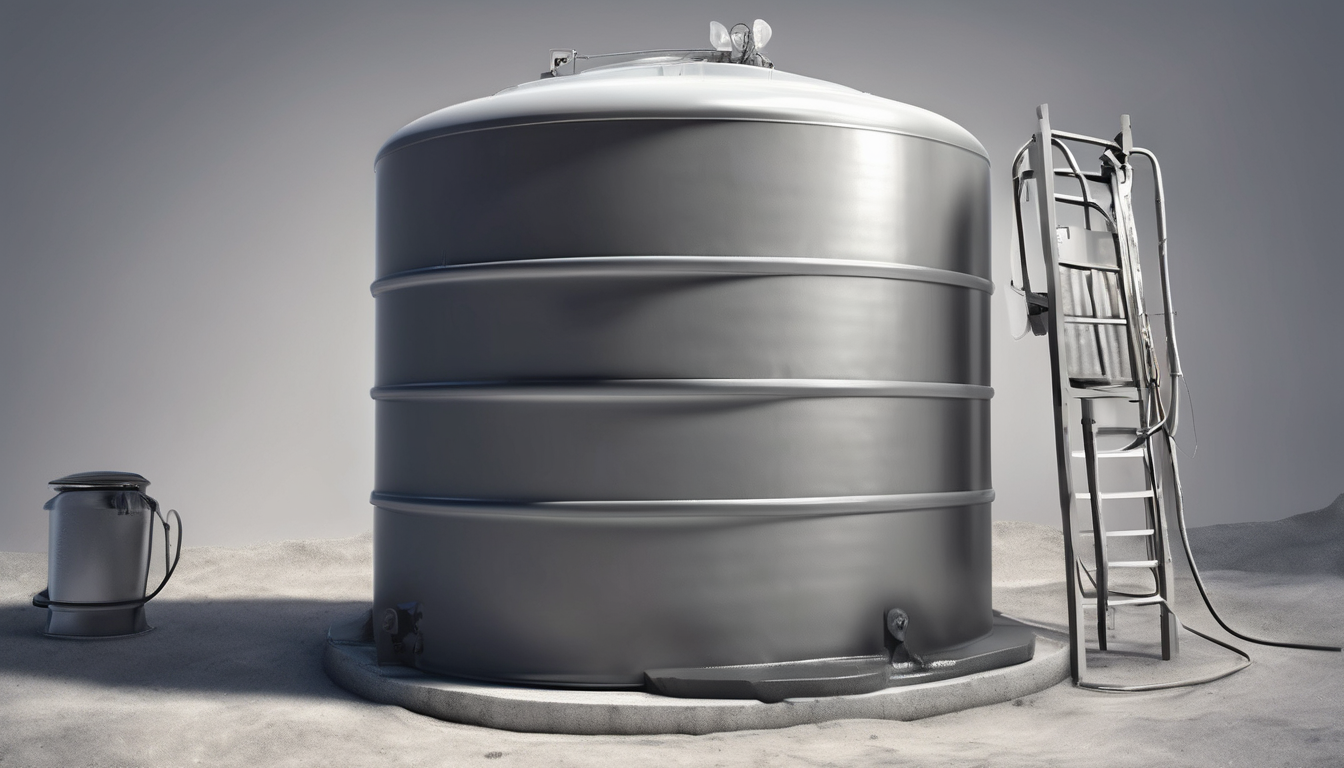
Understanding Remove Algae From Large Water Tanks is essential. Algae in large water tanks can be a significant issue, leading to discolored water, unpleasant odors, and potential health risks. Regular cleaning is crucial for maintaining the quality of your drinking water. This guide will cover everything you need to know about removing algae from large water storage tanks.
Understanding How to Remove Algae From Large Water Tanks
Algae growth in water tanks is a common issue, especially in areas with high sunlight exposure and warm temperatures. The primary type of algae found in water storage tanks are green algae, which can thrive when there’s stagnant water and sufficient light. This can lead to discoloration, bad odors, and even taste issues in the stored water.
The first step is to understand why algae growth occurs. Algae require sunlight for photosynthesis; thus, overhead tanks exposed to direct sunlight are more susceptible. Additionally, a lack of circulation or slow-moving water can contribute to algae growth by providing favorable conditions for their proliferation.
Remove Algae From Large Water Tanks: Preparing for Clean-Out
Before you start the clean-out process, ensure that your safety and compliance with local regulations are prioritized. Follow these steps: This relates directly to Remove Algae From Large Water Tanks.
- Check Safety Regulations: Ensure that all necessary permits and inspections from the Dubai Municipality (DM) are in place before proceeding.
- Drain the Tank: Disconnect any electrical or plumbing connections, then use a pump to drain as much water as possible. Dispose of this water responsibly.
- Coverage Area: Lay down protective tarpaulins and arrange for proper disposal containers for waste materials like sludge and sediment.
Remove Algae From Large Water Tanks: Manually Removing Algae
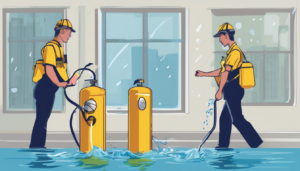
Once the tank is empty, you can begin manually removing algae. Here’s how:
- Inspect the Tank: Use a flashlight to inspect the walls and bottom of the tank for any signs of algae growth.
- Scrubbing Algae: Employ a stiff-bristled brush or sponge to scrub the surfaces. Focus on areas where algae are most visible, such as corners and crevices.
- Rinse Thoroughly: Rinse the tank with clean water to remove any loose debris and ensure that all algae have been dislodged.
Chlorination Process
After manual cleaning, you need to chlorinate the tank to kill any remaining microorganisms. Follow these steps:
- Determine Chlorine Type: Use sodium hypochlorite (bleach) or granular chlorine for effective disinfection.
- Add Chlorine: Add the recommended amount of chlorine to the tank, ensuring that it covers all surfaces adequately. For large tanks, you may need to add multiple applications over a few days to ensure thorough coverage.
- Mix Thoroughly: Use an agitator or a long pole to mix the chlorine solution throughout the tank, especially in hard-to-reach areas.
- Allow Dwell Time: Follow the manufacturer’s instructions for the required dwell time, which is typically several hours. This allows the chlorine to kill any remaining microorganisms effectively.
Post-Cleaning Maintenance
To ensure long-term hygiene and prevent future algae growth:
- Regular Inspections: Schedule regular inspections every three to six months, especially during the summer months when algae are more likely to grow.
- Proper Filtration Systems: Install proper filtration systems that can trap and remove any remaining particles of sludge or sediment.
- Keep Tank Covered: Cover the tank with a lid, if possible, to reduce exposure to sunlight and prevent new algae growth.
Tips and Tricks for Removal
- Select the Right Time: Perform clean-outs during cooler weather or after a heavy rain when there’s less direct sunlight, which can reduce algae growth.
- Avoid Over-Chlorination: Excessive chlorine can lead to off-flavors and odors. Use the recommended dosage only.
- Use pH Balancers: Consider using pH balancers to maintain a neutral environment that is less favorable for algae growth.
Frequently Asked Questions
Here are some common questions about removing algae from large water tanks:
- Q: Can I use vinegar to clean the tank instead of chlorine?
A: Vinegar can be used as a natural cleaner, but it may not provide enough disinfection. Chlorine is more effective for killing microorganisms and preventing future growth.
- Q: How often should I clean my water tank?
A: Ideally, tanks should be cleaned every six months to one year, depending on local conditions and regulations. Regular inspections can help identify when a cleaning is needed. When considering Remove Algae From Large Water Tanks, this becomes clear.
- Q: Can I do the cleaning myself or must I hire a professional?
A: For large commercial tanks, it’s recommended to hire a professional due to safety concerns and the complexity of the process. Residential owners can perform basic clean-outs but should consider hiring professionals for more thorough work.
Conclusion
Removing algae from large water tanks is crucial for maintaining the quality of your drinking water. By understanding the causes and following a comprehensive cleaning process, you can ensure that your tank remains clean and hygienic. Regular maintenance and inspections will help prevent future growth and keep your water safe. Understanding Remove Algae From Large Water Tanks is key to success in this area.