


Understanding Best Chlorine Dosing Rates For Water Tank Disinfection is essential.
Understanding Best Chlorine Dosing Rates for Water Tank Disinfection
Water tank disinfection is a critical step in maintaining the quality and safety of your drinking water. Chlorine, often used as a primary disinfectant, requires an optimal dosing rate to effectively eliminate harmful microorganisms while avoiding over-dosing which can lead to unpleasant odors or taste issues.
Determining Appropriate Rate: Factors Influencing Dosing
Several factors influence the appropriate chlorine dosing rate for water tank disinfection. These include the type of chlorine used, the volume and condition of the water tank, and the specific needs of your property.
Tank Volume and Configuration
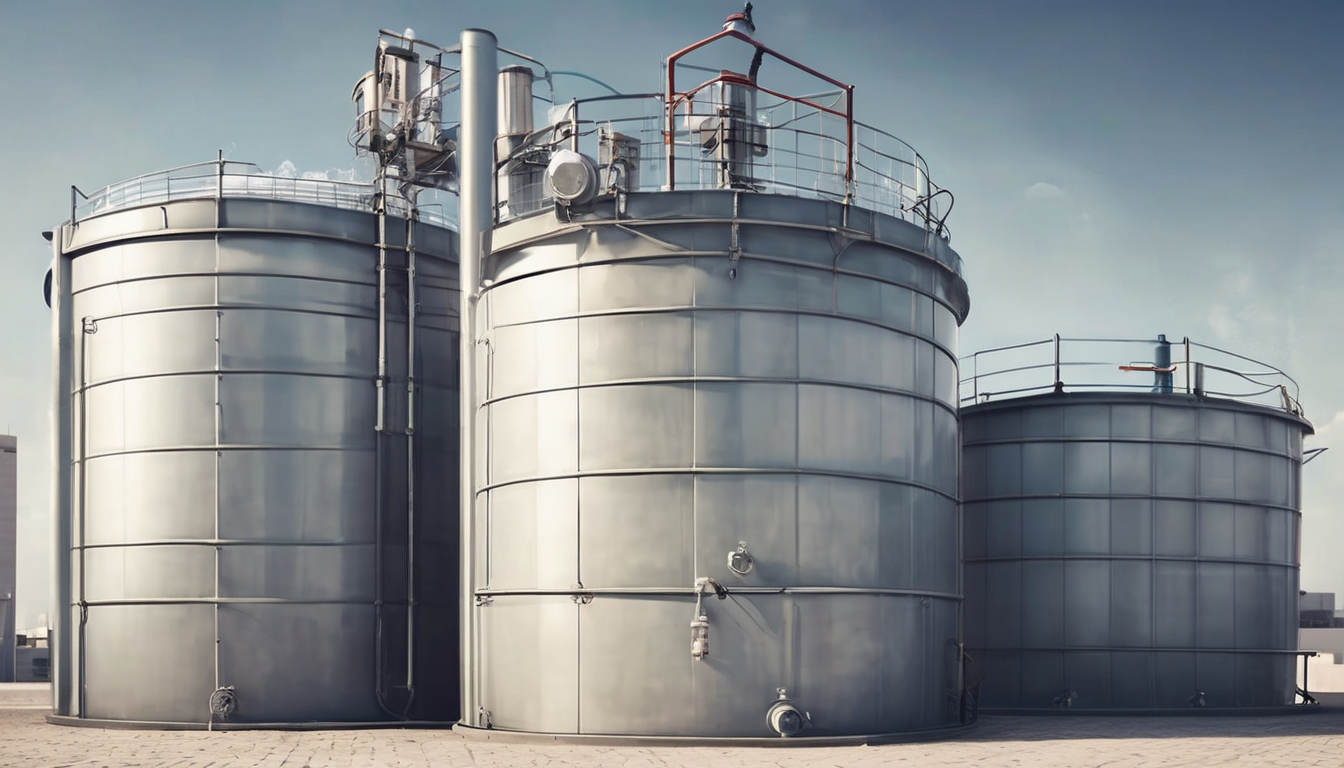
The size of the water storage tank significantly affects the amount of chlorine needed. Larger tanks require more chlorine to maintain adequate levels throughout the water column. Additionally, overhead tanks may have a different dosing requirement compared to underground ones due to the potential for sediment accumulation.
Choosing the Right Chlorine: Types and Products
Not all chlorine products are created equal. Sodium hypochlorite, calcium hypochlorite, and liquid chlorine are commonly used in water tank disinfection. Each has its own advantages and disadvantages, which we will explore to help you choose the most suitable product for your needs. This relates directly to Best Chlorine Dosing Rates For Water Tank Disinfection.
Sodium Hypochlorite
Suitable for residential use, sodium hypochlorite is a liquid chlorine solution that dissolves easily and provides rapid disinfection. It’s easy to measure and mix with water but has a shorter shelf life compared to other forms of chlorine.
Calcium Hypochlorite
Preferred for larger commercial or industrial tanks, calcium hypochlorite is more stable than sodium hypochlorite and provides longer-lasting disinfection. It’s less likely to cause skin irritation but requires careful handling due to its caustic nature.
Best Practices for Disinfection: Step-by-Step Guide
Proper chlorination involves several steps, from pre-cleaning the tank to post-rinsing and ensuring no residual chlorine remains. Here’s a comprehensive guide to ensure your water tank is effectively disinfected.
Pre-Cleaning
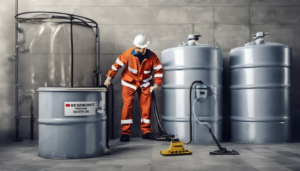
Begin by draining and cleaning the tank thoroughly. This removes any sediment, biofilm, or debris that could interfere with disinfection. Inspect for cracks or leaks before proceeding with chlorination.
Dosing Procedure
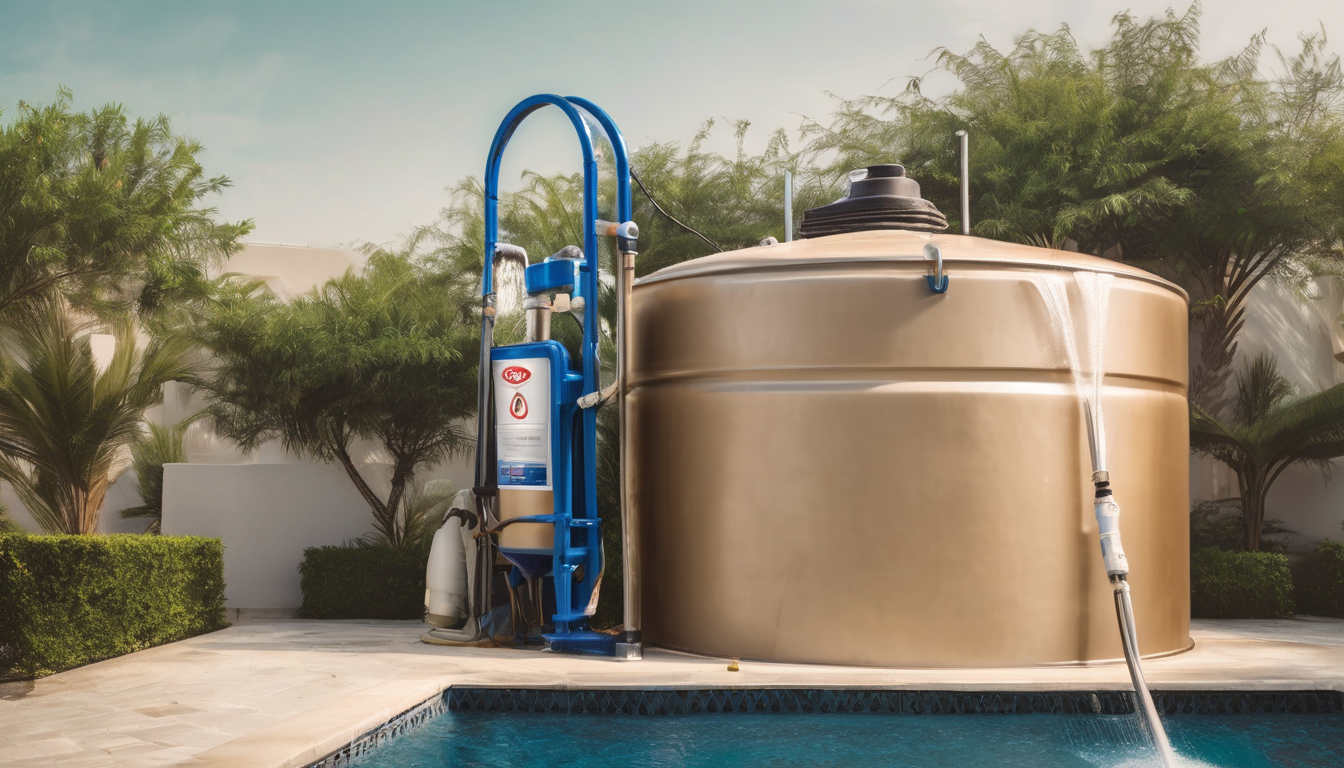
Add chlorine according to the manufacturer’s recommendations. For example, a typical rate might be 1-2 mg/L (milligrams per liter) of free available chlorine for small residential tanks. Always use DM-approved products to ensure compliance.
Monitoring and Testing
Regularly test the water for residual chlorine levels using a reliable test kit. Aim for 0.2-0.5 mg/L of free available chlorine after 18 hours. If the level is too low, reapply more chlorine; if it’s too high, flush the system to reduce levels. When considering Best Chlorine Dosing Rates For Water Tank Disinfection, this becomes clear.
Post-Rinsing
Flush the tank with clean water until all residual chlorine is removed. This ensures safe and taste-free drinking water for your family or building occupants.
Comparison with Natural Methods: Pros & Cons
Natural methods like ozone, UV light, and silver ionization have gained popularity due to perceived health benefits. However, these methods are not always as effective in eliminating bacteria and viruses compared to chlorine. The importance of Best Chlorine Dosing Rates For Water Tank Disinfection is evident here.
Ozone Disinfection
Ozone is highly reactive and effective against a wide range of microorganisms. It’s safe for drinking water but can be more expensive than chlorine and requires specialized equipment.
Ultraviolet (UV) Light Treatment
UV light inactivates pathogens by damaging their DNA, making them unable to reproduce. It’s effective and leaves no chemical residue but is less potent against certain microorganisms like Cryptosporidium. This relates directly to Best Chlorine Dosing Rates For Water Tank Disinfection.
Legal and Compliance Considerations: Dubai Municipality Standards
To ensure compliance with local regulations, always use DM-approved chlorine products. The Dubai Municipality requires regular tank cleaning and disinfection to maintain water quality standards, especially in high-rise buildings and public institutions.
DM Approval
Check the label for approval by the Dubai Municipality or other relevant authorities. This ensures that the product meets safety and efficacy requirements. For instance, products like SaniH2O are known for their DM-approved status. The importance of Best Chlorine Dosing Rates For Water Tank Disinfection is evident here.
FAQ Section: Common Questions About Chlorine Dosing Rates
Customers often have questions about chlorine dosing rates. Here are some frequently asked questions and answers to help clarify the process:
- Q: How do I determine the appropriate chlorine dose for my water tank?
- A: The appropriate rate depends on factors like tank volume, temperature, and specific needs of your property. It’s best to consult a professional to ensure accurate dosing.
- Q: Can I use any chlorine product for water tank disinfection?
- A: No, always use DM-approved products to ensure compliance and safety. Using non-approved chemicals can lead to health risks or legal issues.
Conclusion: Final Thoughts on Best Chlorine Dosing Rates for Water Tank Disinfection
Proper chlorine dosing is essential for maintaining the quality of your drinking water. By understanding the factors influencing the appropriate rate, choosing the right product, and following best practices, you can ensure safe, clean water for your family or building occupants. Understanding Best Chlorine Dosing Rates For Water Tank Disinfection helps with this aspect.