

Introduction
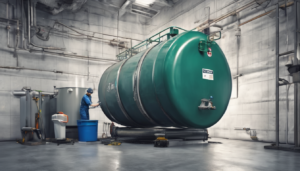
Understanding Best Cleaning Solution For The Water Tank is essential. In Dubai, UAE, where the climate can lead to rapid contamination, finding the right method and product becomes crucial for maintaining safe drinking water.
Water tanks in residential, commercial, and industrial settings require regular cleaning and disinfection to maintain clean water quality. This guide will explore various cleaning solutions, their benefits, and the best practices for ensuring safe and hygienic water storage.
Table of Contents
- Understanding Best Cleaning Solution for the Water Tank
- Important Considerations and Risks in Water Tank Cleaning
- Commonly Used Water Tank Cleaning Methods
- Best Products for Different Tanks: GRP, Underground, and Concrete
- Chemical Disinfection Processes and Safety Precautions
- Hygiene First: An Approach to Tank Cleaning in Dubai, UAE
- Compliance and Inspection Requirements in the UAE
- Expert Tips for Water Tank Maintenance
- Frequently Asked Questions About Water Tank Cleaning
- Conclusion and Final Thoughts on Cleaning Solutions
Understanding Best Cleaning Solution for the Water Tank
The best cleaning solution for the water tank is one that ensures hygiene, compliance with regulations, and protection of family health. In Dubai, UAE, where the climate can lead to rapid contamination, finding the right method and product becomes crucial.
Important Considerations and Risks in Water Tank Cleaning
Water Tank Cleaning is more than just a routine maintenance task; it involves several important considerations that can impact the safety of your drinking water. Some key risks include:
- Bacterial Growth – High temperatures and stagnant water can promote bacterial growth, leading to health issues
- Sediment Buildup – Accumulated sediment can affect water taste and quality, potentially causing blockages in pipes
- Airborne Contaminants – Dust and other airborne particles can enter the tank during cleaning operations, leading to recontamination
These risks underscore the need for thorough and professional cleaning techniques that address these issues effectively. Regular inspections and proper maintenance schedules are essential in preventing contamination and ensuring clean water quality.
Commonly Used Water Tank Cleaning Methods
There are several methods used for cleaning water tanks, each with its own advantages and disadvantages. The choice of method depends on the type of tank (underground or overhead), the material it’s made from, and the specific hygiene requirements.
Manual Cleaning: Involves physically scrubbing the tank walls using brushes and cleaning agents. This method is labor-intensive but can be effective for small tanks or as a pre-disinfection step.
Mechanical Cleaning: Utilizes pressure washers, scrubbers, and other mechanical tools to clean large surfaces quickly. It’s faster than manual methods but requires proper safety measures.
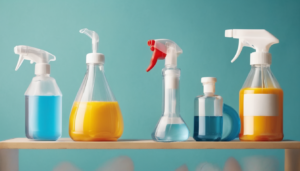
Chemical Disinfection: Involves using chemical solutions to kill bacteria and other microorganisms. This method is highly effective for sanitizing the tank interior.
Each method has its place, but a combination of mechanical cleaning followed by chemical disinfection often yields the best results. Professional cleaners ensure that these methods are used in a safe and efficient manner to meet hygiene standards.
Best Products for Different Tanks: GRP, Underground, and Concrete
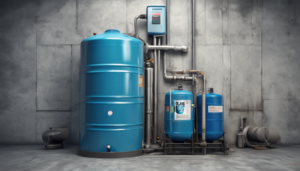
Different types of water tanks require specific cleaning products due to their unique properties:
GRP (Glass Reinforced Plastic) Tanks: These tanks are susceptible to corrosion over time. A combination of acid-based cleaners and neutralizers can be used to remove rust and scale, followed by thorough rinsing.
Underground Tanks: Due to their location, these tanks are harder to access. Specialized cleaning agents designed for deep-seated dirt and biofilm removal are necessary. Mechanical cleaning may also be required to reach all surfaces.
Concrete Tanks: Often found in older buildings, concrete tanks can harbor a lot of sediment and grime. A mix of alkaline cleaners and biocides is effective for breaking down mineral deposits and killing bacteria.
The choice of product depends on the tank’s condition and specific needs. Professional cleaners will assess each tank before recommending the appropriate cleaning products to ensure effectiveness and compliance with local regulations.
Chemical Disinfection Processes and Safety Precautions
Chemical disinfection is a critical step in maintaining water tank hygiene. The process involves using chemical agents to kill bacteria, fungi, and other microorganisms that can contaminate the water. When selecting a cleaning solution for the water tank, this becomes clear.
Selecting the Right Chemical: It’s essential to use chemicals approved by local health authorities, such as Dubai Municipality (DM). Chlorine-based solutions are commonly used due to their effectiveness in killing a wide range of pathogens.
Dilution and Application: Follow manufacturer guidelines for diluting the chemical solution. Over-dilution or under-dilution can affect its efficacy. Apply the solution evenly across the tank interior, ensuring no areas are left untreated.
Rinsing: After disinfection, thoroughly rinse the tank to remove any residual chemicals. This step is crucial to avoid leaving harmful residues in the water supply.
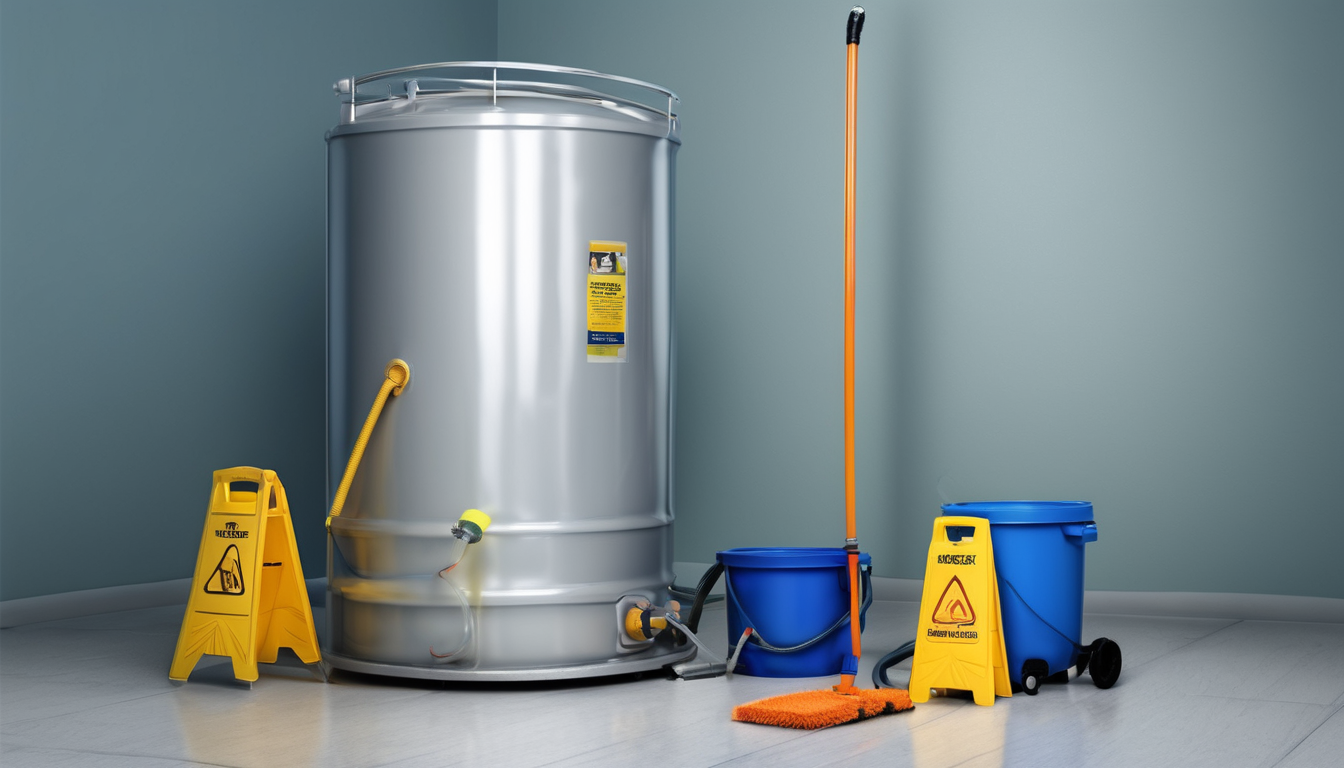
Professional cleaners take safety precautions seriously when using chemical agents. Personal protective equipment (PPE) such as gloves, masks, and goggles are worn at all times during application and rinsing processes. Proper ventilation is also maintained to prevent inhalation of fumes.
Hygiene First: An Approach to Tank Cleaning in Dubai, UAE
A hygiene-first approach ensures that water tank cleaning and disinfection prioritize the safety and well-being of families living in Dubai. Here’s how this approach is implemented:
- Routine Inspections – Regular inspections help identify potential issues before they become serious health risks
- Preventive Maintenance – Schedule cleaning and disinfection according to the tank’s condition, climate, and usage patterns
- Customer Education – Educate property owners and managers about the importance of clean water storage
By prioritizing hygiene, families in Dubai can trust the water they drink, bathe with, and use daily without worry. Professional cleaning services play a vital role in maintaining this standard of cleanliness and compliance. The importance of selecting the best cleaning solution for the water tank is evident here.
Compliance and Inspection Requirements in the UAE
In Dubai, Abu Dhabi, Sharjah, and other Emirates, water tank cleaning must adhere to strict regulations set by local authorities. These requirements are designed to ensure that all water storage systems meet hygiene standards.
Dubai Municipality (DM) Regulations: Tanks must be inspected annually for cracks, leaks, and contamination. Cleaning schedules should comply with DM guidelines, which may vary based on the tank’s type and location.
Chemical Usage: Only chemicals approved by DM can be used during cleaning processes. Unauthorized use of chemicals can lead to fines and other penalties.
Record Keeping: Detailed logs must be maintained documenting all cleaning activities, including dates, products used, and any issues identified during inspections.
To ensure compliance, professional services work closely with local authorities and follow their guidelines meticulously. Regular training ensures staff are up-to-date with the latest regulations.
Expert Tips for Water Tank Maintenance
Maintaining water tanks requires more than just cleaning; it involves a systematic approach to ensure long-term hygiene. Here are some expert tips:
- Regular Inspections – Schedule inspections every 6 months, especially during seasons with high temperatures and increased dust
- Proper Chemical Handling – Always follow manufacturer instructions when using chemical disinfectants
- Safe Storage – Keep tanks clean by storing them in a dry, shaded area away from direct sunlight and potential contamination sources
These tips help prevent issues before they arise, ensuring consistent water quality and compliance with local regulations. Trusting professional services can alleviate the burden of these responsibilities while maintaining high standards.
Frequently Asked Questions About Water Tank Cleaning
Q: How often should I clean my water tank? A: The frequency of cleaning depends on the type and condition of your tank. Typically, it’s recommended to clean every 6 months for high-risk areas.
Q: Is chemical disinfection safe? A: Yes, when used properly by professionals who follow safety protocols. Always use approved chemicals as per local regulations.
Q: Can I do the cleaning myself? A: While DIY methods are possible, professional services offer better results and compliance with regulations. Safety is a top priority during these operations.
Conclusion and Final Thoughts on Cleaning Solutions
Ensuring the cleanliness of your water tanks is a vital aspect of maintaining safe drinking water in Dubai, UAE. The best cleaning solution for the water tank involves combining appropriate methods, products, and adherence to local regulations.
Regular inspections, proper chemical usage, and preventive maintenance are key to avoiding contamination and ensuring compliance with health and safety standards. By choosing professional services, you can trust that your family’s water is protected from harmful contaminants.
Remember, clean water is a fundamental aspect of daily life. Prioritizing its quality through regular cleaning and disinfection ensures peace of mind for everyone in the household. Understanding the best cleaning solution for the water tank helps with this aspect.