




—
Introduction to Lake Water Filtration
Lake water, while often pristine and beautiful, can harbor various contaminants that make it unsuitable for drinking. Filtration is a crucial step in ensuring the safety of lake water before consumption. This guide will help you understand how to best filter lake water for safe clean drinking, covering everything from simple DIY filters to advanced treatment methods.
Understanding How to Best Filter Lake Water for Safe Clean Drinking
Before delving into the filtration process, it’s essential to understand the key aspects of lake water quality and the types of contaminants present. Common issues include:
- Bacteria: such as E.coli or Cryptosporidium
- Viruses: which can be more challenging to remove than bacteria
- Protozoa: like Giardia lamblia, which are known for causing gastrointestinal issues
- Heavy metals: such as lead and mercury, especially in areas with industrial pollution
- Pollutants: including pesticides, herbicides, and fertilizers from agricultural runoff
- Sediment: silt and other particulate matter that can affect taste and clarity
To effectively filter lake water for drinking, you need to address these contaminants. The methods discussed will help ensure your water is safe and clean. This relates directly to Best Filter Lake Water For Safe Clean Drinking.
Best Filter Lake Water For Safe Clean Drinking:
Types of Lake Water Filters
There are several types of filters available, each with its own strengths and weaknesses:
- Carbon Filters: Effective at removing chlorine, taste, and odor. They don’t remove bacteria or viruses.
- Reverse Osmosis (RO) Systems: Highly effective for removing dissolved solids, including heavy metals. However, they can be costly and require frequent maintenance.
- Bottle Filters: Portable and easy to use but less effective than other methods in removing bacteria and viruses.
- In-line Filters: Installable on pipes for whole-house filtration. Require regular replacement of filters.
- UV Light Filters: Effective against microorganisms like bacteria and viruses, requiring no chemicals but may not remove heavy metals or sediment.
Selecting the right filter depends on your specific needs, budget, and level of filtration required. For a comprehensive approach, consider combining multiple methods to target different contaminants effectively.
Best Filter Lake Water For Safe Clean Drinking –
DIY Filtering Solutions for Lakes
For those looking to save costs or experiment with homemade solutions, there are several DIY options available:
- Cloth Strain: Use a fine mesh cloth to strain water. While this removes larger particles, it’s not effective against smaller contaminants.
- Bucket Filtration: Fill a bucket with crushed activated charcoal and let the lake water sit for several hours before straining through a finer cloth. This can reduce taste and odor but is limited in its effectiveness.
- Sand Filters: Create a sand filter by layering gravel, sand, and charcoal. However, this method requires regular cleaning and maintenance to remain effective.
These DIY methods are suitable for casual use or emergencies but should not be relied upon as the sole filtration solution due to their limited effectiveness in removing harmful microorganisms. When considering Best Filter Lake Water For Safe Clean Drinking, this becomes clear.
Advanced Lake Water Treatment Methods
For more comprehensive and reliable treatment, consider these advanced methods:
- Chlorination: Adding a small amount of household bleach can kill bacteria and viruses. However, it doesn’t remove other contaminants and may leave behind unpleasant taste.
- Ion Exchange Resins: Effective in removing dissolved metals like lead and mercury but require specialized equipment and expert installation.
- Bioremediation: Using natural organisms to break down pollutants. While environmentally friendly, it’s slow and not suitable for immediate use.
These advanced methods are typically used in commercial or municipal systems but can be adapted for personal use with the right equipment and expertise.
Maintaining Your Lake Water Filtration System
Maintaining your filtration system is crucial to ensure its effectiveness:
- Regular Filter Replacement: Replace filters as recommended by the manufacturer, typically every six months.
- Cleaning: Clean sediment traps and replace charcoal or other media regularly. Follow instructions for specific filter types.
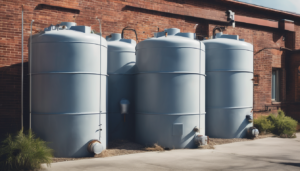
- Tank Inspection: Check tanks for leaks or damage that could compromise filtration quality. Inspect annually or as recommended by a professional.
Maintenance is key to extending the life of your filtration system and ensuring consistent, clean water output.
<h2 id="expert-tips-for-best-lake-water-filtering”>
Expert Tips for Best Lake Water Filtering
- Combine Methods: For thorough filtration, use a combination of physical (e.g., sediment filters) and chemical (e.g., UV light or chlorine) methods.
- Test Regularly: Use water testing kits to monitor contaminants like bacteria and heavy metals. This helps you choose the right filter for your needs.
- Consult Professionals: If unsure about which method to use, consult a professional water filtration service provider who can offer tailored advice based on local conditions.
Following these tips will help ensure that your lake water is safe and clean, providing peace of mind for you and your family.
Frequently Asked Questions about Lake Water Filtration
- Q: Can I drink lake water without filtration? A: No, it’s not advisable. Lakes can contain harmful microorganisms that pose a risk to health.
- Q: How often should I test the quality of my filtered lake water? A: Test at least once every six months for bacteria and heavy metals. More frequent testing is recommended if you notice any changes in taste, odor, or appearance.
- Q: Are there any natural ways to clean lake water before drinking? A: While methods like boiling can kill most microorganisms, they may not remove chemical contaminants. Advanced filtration and disinfection methods are generally recommended for comprehensive safety.
Conclusion of Lake Water Filtering Guide
In conclusion, filtering lake water is essential to ensure safe clean drinking. By understanding the types of contaminants present in lakes and choosing appropriate filtration methods, you can protect yourself and your family from potential health risks. Regular maintenance and testing will help keep your system running effectively. Understanding Best Filter Lake Water For Safe Clean Drinking is key to success in this area.
—
tags: lake water filtration, safe drinking water, water purification, filter systems
alt_text: “How to best filter lake water for safe clean drinking – Guide with step-by-step instructions on DIY filters and advanced treatment methods”