






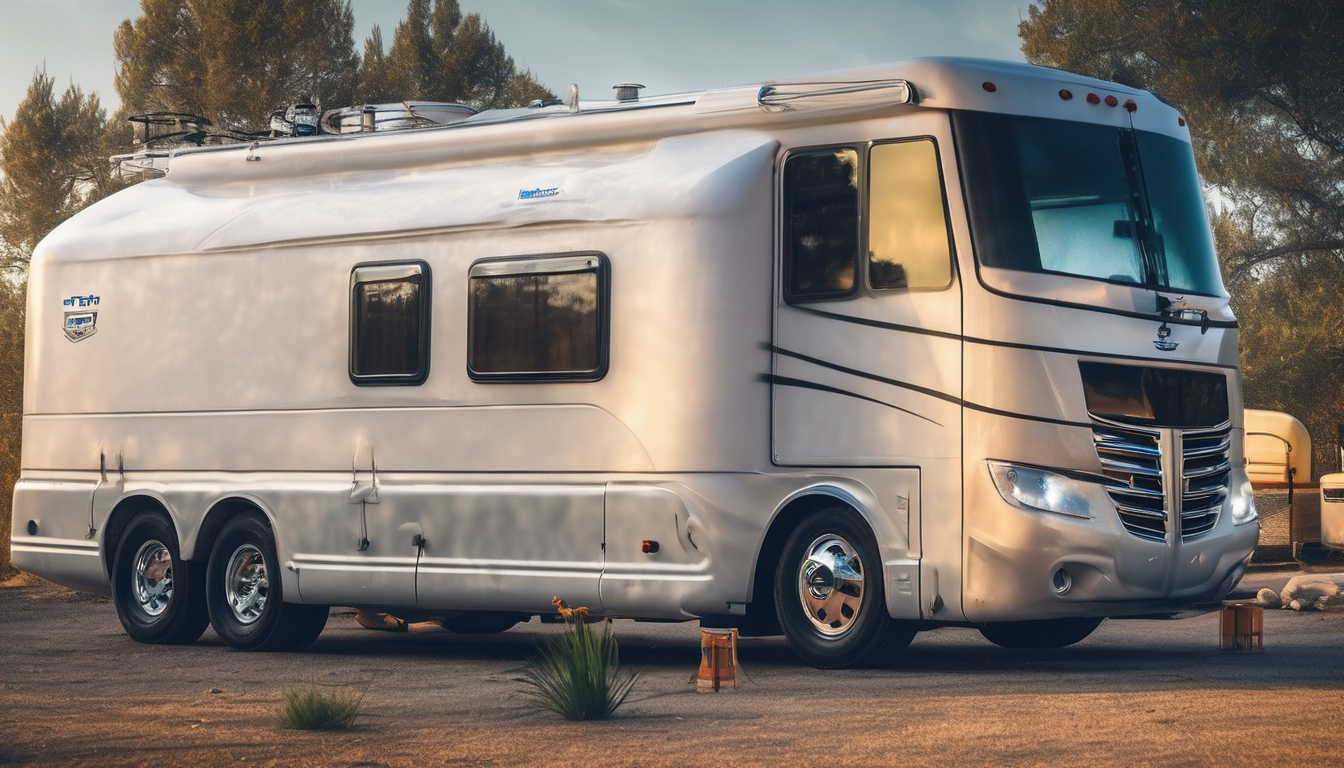

Understanding Safe Disinfection Methods For Rv Water Tanks is essential. —
—
Introduction to Safe Disinfection Methods for RV Water Tanks
Safe disinfection methods are crucial for maintaining the cleanliness and hygiene of your recreational vehicle (RV) water tanks. Regular cleaning not only ensures a pleasant drinking experience but also protects the health of all occupants, especially during extended trips or prolonged use.
—
Understanding Safe Disinfection Methods for RV Water Tanks
Safe disinfection methods are essential to prevent the growth of harmful bacteria and microorganisms in RV water tanks. These tanks can become contaminated with algae, sediments, and other impurities over time, leading to unpleasant odors and taste issues. Proper cleaning and disinfection techniques ensure that your drinking water remains safe and hygienic.
—
Is 34% Hydrogen Peroxide Safe for RV Tank Cleaning?
The use of hydrogen peroxide in RV water tank cleaning is a popular method, but the concentration matters. A solution of 34% hydrogen peroxide can be too strong and poses risks if not used correctly. It’s recommended to dilute it significantly before application.
—
Potential Risks of Using High-Concentration Solutions in RV
High concentrations of chemicals, such as 34% hydrogen peroxide, can pose several risks. They may cause damage to the tank lining and plumbing systems over time. Additionally, excessive exposure could be harmful if not handled properly, leading to health concerns for RV occupants.
—
Choosing the Right Disinfectant for RV Water Tanks
When selecting a disinfectant, it’s important to choose products that are specifically designed for RV water tanks. Look for those that are safe, effective, and comply with local health regulations. Commonly used options include chlorine-based solutions, peroxygen compounds like hydrogen peroxide in lower concentrations (3% or 6%), and quaternary ammonium compounds.
—
Proper Ventilation Techniques During RV Water Tank Cleaning
Proper ventilation is critical when cleaning an RV water tank. Open windows and doors to allow fresh air circulation. Use fans if possible, ensuring that the area remains well-ventilated throughout the process. This helps prevent the inhalation of harmful fumes and ensures a safer cleaning environment.
—
Preparation and Clean-Up Procedures for Safe Disinfection
Before starting the disinfection process, ensure that you have all necessary safety equipment. This includes gloves, goggles, and a respirator mask to protect yourself from inhaling any harmful fumes. Prepare your chosen disinfectant according to the manufacturer’s instructions and follow proper application techniques.
—
Expert Tips for Safe Disinfection of RV Water Tanks
- Test the water after cleaning: Always test the water quality before using it to ensure that it is safe and free from contaminants.
- Follow manufacturer’s guidelines: Adhere strictly to the instructions provided by the disinfectant manufacturers for best results.
- Regular maintenance schedule: Establish a regular cleaning schedule to maintain consistent hygiene standards in your RV water tanks.
- Careful chemical handling: Handle all chemicals with care, storing them safely and disposing of any unused solutions properly.
—
Frequently Asked Questions (FAQ)
Q: How often should I clean my RV water tank?
A: It’s recommended to clean your RV water tank every 6 months, or after a significant change in usage patterns.
Q: Can I use vinegar instead of commercial disinfectants?
A: While vinegar can be used as an alternative, it may not be as effective against certain types of bacteria and is less potent than commercial disinfectants. For best results, consider using a product specifically formulated for RV water tanks.
—
Conclusion
Regularly cleaning your RV water tank with safe disinfection methods ensures that you maintain the highest standards of hygiene and safety. By following the right procedures and choosing the correct products, you can prevent harmful contaminants from entering your drinking water supply. Remember to prioritize proper ventilation and use protective gear during the process for a safer and more effective cleaning experience.
Safe Disinfection Methods for RV Water Tanks Guide for Effective Cleaning – Learn how to keep your RV’s water supply safe and free from harmful contaminants.
Tags:
- safe disinfection methods
- RV water tank cleaning
- hydrogen peroxide concentration
- disinfectant choices
- ventilation techniques
- cleaning schedules
—