








Understanding Should a Separate Hose Be Used for Flushing Black Tanks?
The use of a separate hose when flushing your black water storage tank is essential to maintain the integrity and cleanliness of both the tank and the potable water supply. This practice prevents cross-contamination, ensuring that any residual contaminants in the tank do not enter the drinking water system. This relates directly to Should A Separate Hose Be Used For Flushing Black Tanks.
Why Is a Separate Hose Necessary?
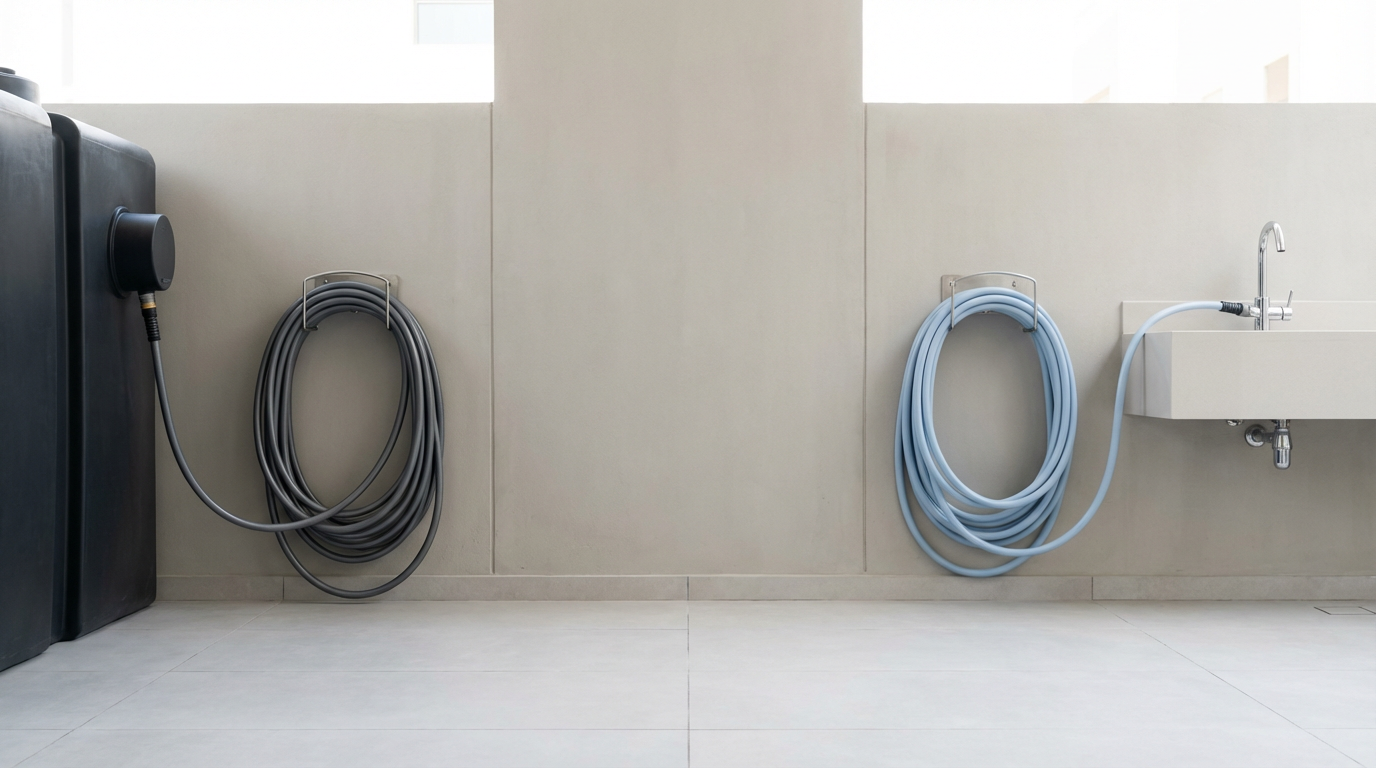
A separate hose ensures that cleaning agents or contaminated water used during the flushing process does not mix with the potable water supply. This is crucial because black tanks often contain sediments, biofilms, and other contaminants that need to be removed without risking their introduction into your home’s drinking water system.
Should A Separate Hose Be Used For Flushing Black Tanks – Potential Risks of Mixing Hoses
Mixing hoses between potable and non-potable systems poses significant risks. Contaminants from the black tank can seep into the clean, potable water supply, leading to a compromised drinking water quality that could affect your family’s health.
Contamination Risks
Black tanks often accumulate organic matter and microorganisms. If these are allowed to mix with potable water through the same hose, they can cause foul odors, taste issues, or even pose a risk of infection if ingested.
Should A Separate Hose Be Used For Flushing Black Tanks – Costs and Budget Considerations
While using a separate hose may require an initial investment, it is cost-effective in the long run. Neglecting this practice can lead to more expensive repairs or replacements of contaminated systems and potential health issues.
Budgeting for Separate Hoses
Typically, a dedicated hose costs between AED 50 – AED 100. This cost can be spread over several tank cleanings, making it a small investment compared to the potential health and financial risks of mixing hoses.
Steps for Using a Separate Hose
Using a separate hose involves specific steps that ensure safe and effective cleaning. Follow these guidelines to minimize contamination:
- Drain the Tank: First, drain the tank completely to remove any standing water.
- Attach the Hose: Attach the dedicated hose to the discharge outlet of the cleaning equipment and ensure it is securely connected.
- Apply Cleaning Agents: Use appropriate cleaning agents as recommended by your local municipality or professional service provider.
- Rinse Thoroughly: After flushing, thoroughly rinse the tank with clean water to remove all residual chemicals and contaminants.
Best Practices for Black Tank Flushing
To ensure optimal cleaning results and maintain hygiene standards, follow these best practices:
- Regular Maintenance: Schedule regular cleanings to prevent the buildup of contaminants.
- Professional Services: Consider hiring certified water tank cleaning experts who can provide thorough and compliant service.
- Documentation: Keep detailed records of each cleaning, including dates, methods used, and any issues identified.
FAQ Section
Here are some common questions about using a separate hose for black tank flushing:
- Q: Is it mandatory to use a separate hose?
A: While not always legally mandated, using a dedicated hose is highly recommended to avoid cross-contamination.
- Q: Can I reuse the same hose for potable and non-potable systems?
A: No, it’s best to use separate hoses to prevent any risk of contamination.
- Q: How often should I flush my black tank?
A: The frequency depends on usage; however, a recommended schedule is at least once every six months for residential tanks.
Conclusion
In conclusion, using a separate hose during the flushing process of your black water storage tank is crucial to maintaining safe and clean drinking water. It prevents contamination from entering the potable system, ensuring that your family’s health remains protected. While it requires an initial investment in dedicated equipment, this proactive measure saves you from potential long-term costs and risks associated with contaminated water systems. Understanding Should A Separate Hose Be Used For Flushing Black Tanks is key to success in this area.