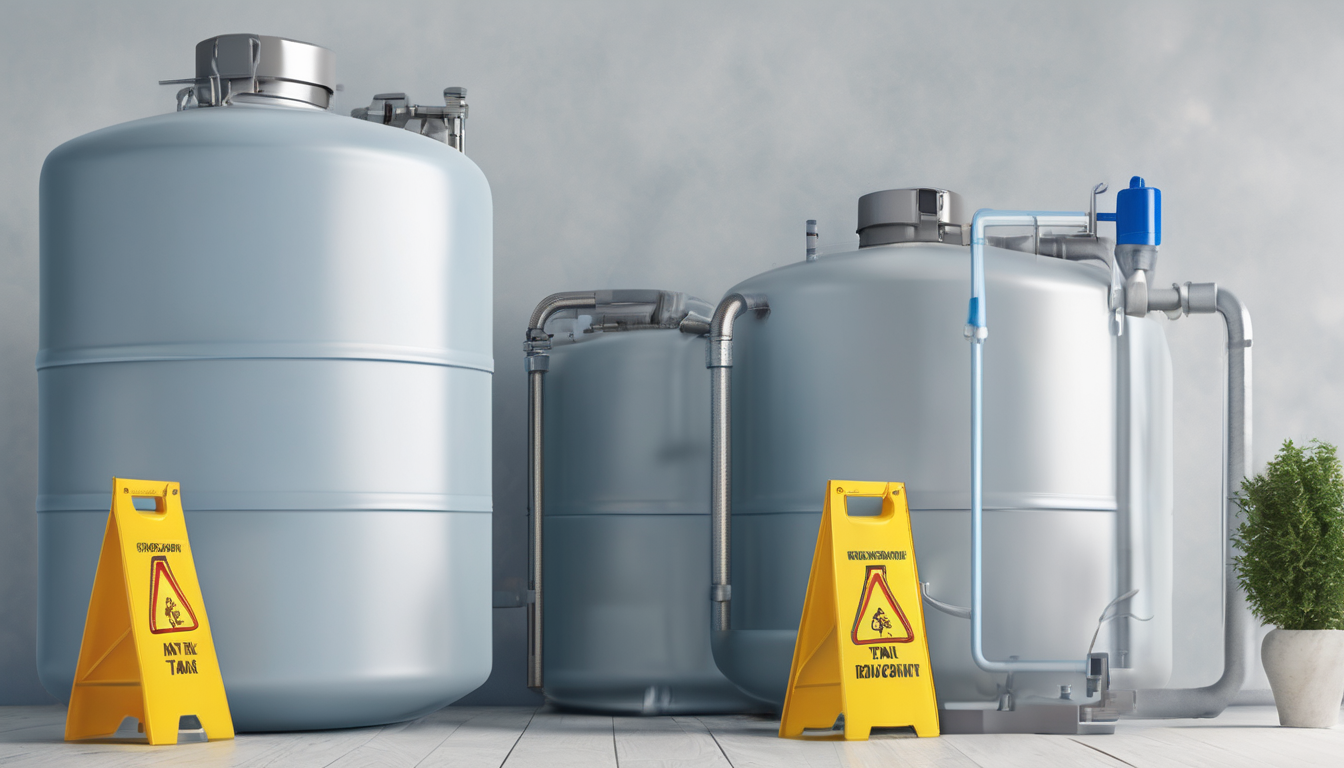




Understanding Choosing the Right Chemicals For Effective Water Tank is essential. —
—
Choosing The Right Chemicals For Effective Water Tank – Understanding the Role of Chemicals in Water Tank Cleaning
Water tanks are essential components of any building’s water supply system, ensuring a steady and reliable flow of clean drinking water. However, without proper maintenance, these tanks can accumulate contaminants such as sediments, algae, and biofilms that pose significant health risks. This is where the role of chemicals comes into play—specifically, chlorination and biocides—to ensure safe and hygienic storage of water.
—
Choosing The Right Chemicals For Effective Water Tank – Choosing Effective Chlorination Methods for Safe Storage
Chlorination is a critical process in maintaining the cleanliness of water tanks. It involves adding chlorine-based chemicals to eliminate pathogens and microorganisms, ensuring that stored water remains safe for consumption. There are several types of chlorination methods, including initial shock chlorination, continuous chlorination, and maintenance dosing. The choice depends on the specific needs and circumstances of your tank.
—
Understanding Algae Removal with Chemicals
Algae growth in water tanks can lead to unpleasant odors, taste issues, and potential health risks. To combat this, specialized algaecides are used to eradicate algae colonies. These chemicals work by disrupting the cellular structure of algae, preventing their growth and ensuring clear and safe water storage.
—
Selecting Appropriate Phosphates for Preventing Scale Buildup
Scale buildup can severely affect the functionality and lifespan of water tanks. To prevent this, scale inhibitors are often used. Phosphates play a crucial role in this process by forming a protective layer that prevents minerals from precipitating out of solution and adhering to tank surfaces.
—
Choosing the Right Biocide for Tanks and Lines
Biocides are essential for preventing bacterial growth within water tanks and their connecting lines. There are various biocides available, including chlorine dioxide, ozone, and quaternary ammonium compounds. Each has its unique properties and applications. It’s important to choose a biocide based on the specific requirements of your system, such as pH levels and residual disinfection needs. This relates directly to Choosing The Right Chemicals For Effective Water Tank.
—
Compliance and Safety Considerations in Water Tank Cleaning
When it comes to water tank cleaning and disinfection, compliance with local regulations is paramount. In the UAE, Dubai Municipality (DM) has strict guidelines that must be followed to ensure the safety of stored water. This includes proper chemical usage, thorough rinsing procedures, and documentation of all maintenance activities.
—
Expert Tips for Effective Water Tank Cleanings
- Regular Maintenance: Schedule routine inspections to catch issues early and prevent major problems.
- Proper Chemical Dosage: Follow manufacturer guidelines to ensure effective disinfection without over-chemicalization.
- Thorough Rinsing: Rinse tanks thoroughly after cleaning to remove any residual chemicals or contaminants.
- Safe Handling: Always use protective gear and follow safety protocols when handling chemicals.
—
Frequently Asked Questions about Water Tank Cleaning
- Q: How often should I clean my water tank?
- A: The frequency of cleaning depends on usage and local regulations. A typical schedule might range from every three to six months.
- Q: Can I use any household bleach for chlorination?
- A: Household bleach is not recommended for water tank disinfection due to its harshness and potential health risks. Use DM-approved chemicals instead.
- Q: What are the signs that my water tank needs cleaning?
- A: Signs include foul odors, discolored water, or visible sediments in taps. These can indicate contamination issues requiring immediate attention.
—
Conclusion and Next Steps for Safe Water Storage
Proper selection and application of chemicals are crucial for maintaining the hygiene and safety of water tanks in Dubai, Abu Dhabi, and Sharjah. By understanding the role of chemicals, choosing effective methods, and adhering to compliance standards, you can ensure that your stored water remains clean and safe for daily use.
—
By following these guidelines, you can safeguard your family’s health and peace of mind with clean, hygienic water storage.
—
Tags:
- Water Tank Cleaning
- Chlorination Methods
- Algae Removal Chemicals
- Biocide Selection
- Safe Water Storage
— Understanding Choosing The Right Chemicals For Effective Water Tank is key to success in this area.