


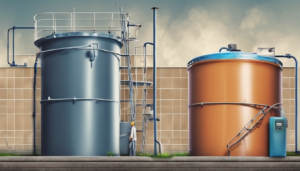


Understanding Chlorine Dosing Techniques for Effective Disinfection of Water Storage Tanks
Regular chlorine dosing is essential in preventing bacterial growth and ensuring the safety of drinking water. This process involves adding a specific amount of chlorine to your storage tanks to maintain a residual concentration that can inhibit the proliferation of harmful microorganisms. This relates directly to Chlorine Dosing Techniques For Effective Disinfection Of.
Introduction to Chlorine
Chlorine, particularly hypochlorous acid (HOCl) and hypochlorite ions (OCl-), is an effective disinfectant. It works by breaking down cellular walls and disrupting metabolic processes in bacteria.
Chlorine Dosing Techniques For Effective Disinfection Of – Importance of Accurate Measuring and Dilution Ratios in Chlorine
Accurate measuring and dilution ratios are critical to ensure effective disinfection without causing harm. Over-dosage can lead to chloramine formation, which may pose health risks.
Proper Calculations for Dose Determination
Calculate the dose based on the volume of water in your storage tank and the desired residual chlorine level (usually 0.2-1 mg/L). This ensures that the disinfection process is both effective and safe.
Chlorine Dosing Techniques For Effective Disinfection Of – Choosing the Right Chlorine Forms for Disinfection
Different forms of chlorine are suitable for different scenarios based on water pH, temperature, and storage conditions.
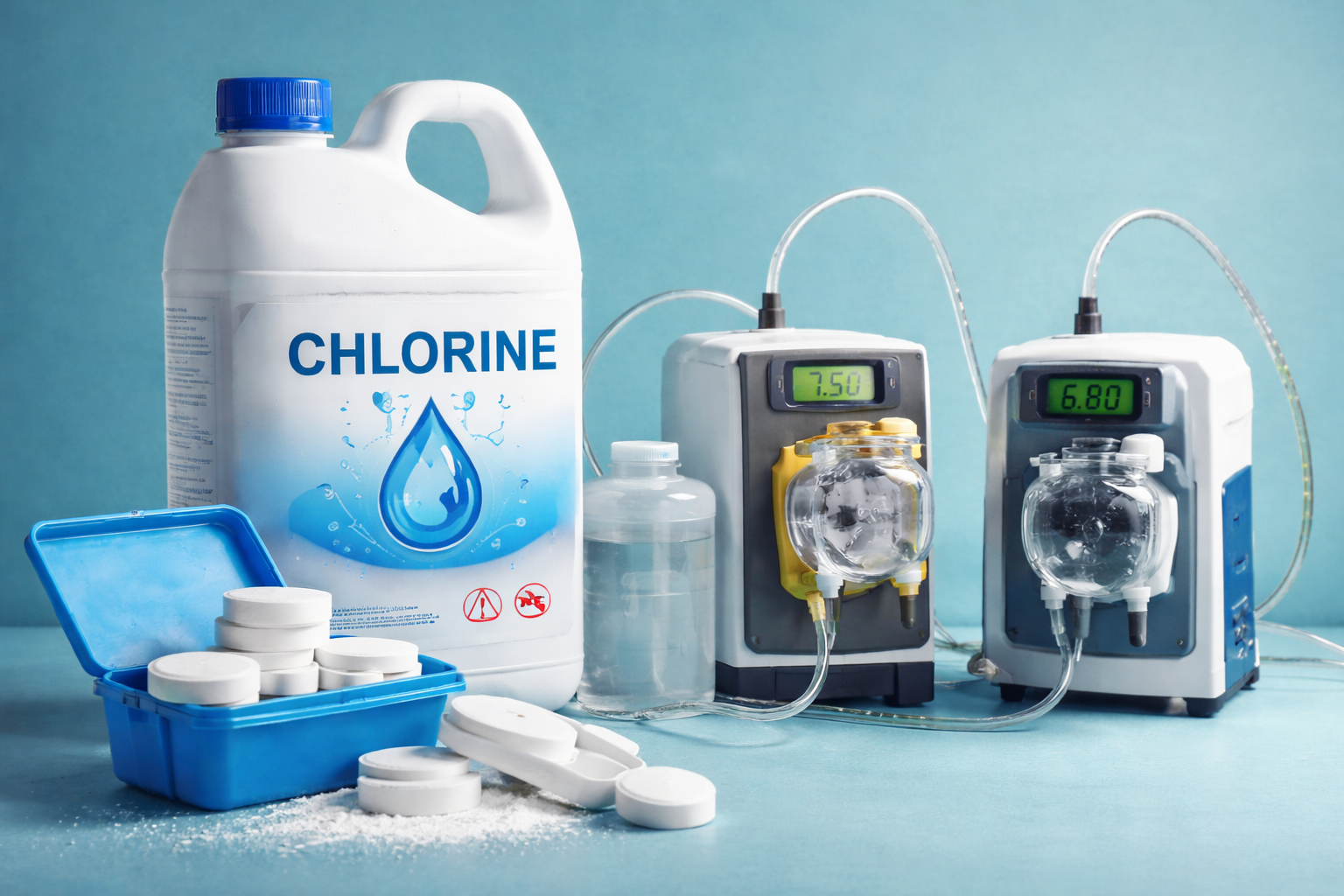
Liquid Versus Powder Chlorine
– Liquid Chlorine: Easier to measure and mix.
– Powder Chlorine: More concentrated and effective in hard water conditions. Use with caution as it can produce chlorine gas if mixed improperly.
Temperature and Climate Considerations in Chlorine Dosing
Dubai’s high temperatures and humidity levels affect the effectiveness of chlorine dosing. Lower temperatures and higher pH levels reduce the active form (HOCl) available for disinfection.
Adjustments for Dubai Climate
– Increase dosage during summer months when water temperatures are higher.
– Monitor pH levels to ensure optimal HOCl formation.
Monitoring and Testing for Effectiveness of Chlorine Doses
Regular monitoring ensures that the disinfection process is effective. Use reliable test kits or send samples to local laboratories for analysis.
Testing Procedures
– Perform initial tests before dosing.
– Conduct daily checks during the dosing period.
– Ensure residual levels are maintained beyond 24 hours post-dosing.
Safety Measures During Chlorination Processes
Chlorine can be toxic, and proper safety measures must be in place to prevent inhalation or contact with skin and eyes. When considering Chlorine Dosing Techniques For Effective Disinfection Of, this becomes clear.
Safety Precautions
– Wear protective gear: gloves, goggles, and a respirator.
– Ensure good ventilation during dosing.
– Use appropriate handling methods to avoid spills.
Post-Chlorination Rinsing Procedures for Clean Water Storage
Proper rinsing is crucial to remove excess chlorine from the water, ensuring it’s safe for consumption. This step minimizes chloramine formation and maintains water taste and clarity.
Rinse Procedures
– Allow ample time (at least 6 hours) post-dosing before using the water.
– Run tanks through several cycles of flushing to ensure complete removal of chlorine residuals.
<h2 id=”frequency-of-chlorine-dosing”>Frequency of Chlorine Dosing in Various Environments
The frequency of dosing depends on various factors, including tank size, water quality, and storage conditions. Regular maintenance is key to ensuring consistent disinfection.
Customized Scheduling Based on Tank Conditions
– High-Rise Buildings: Daily or bi-daily dosing.
– Schools and Nurseries: Weekly dosing with additional tests.
– Hospitals and Clinics: Continuous monitoring with daily dosing.
Expert Tips for Chlorine Dosage and Disinfection Practices
Expert advice can significantly improve the effectiveness of your chlorine dosing regimen. Here are some practical tips to consider:
– Initial Dosing: Start with a higher dose and reduce as needed.
– Record Keeping: Maintain detailed logs of each dosing session for reference.
– Regular Maintenance: Schedule regular inspections by certified professionals.
FAQ on Chlorine Dosing Techniques
1. Q: How often should I perform chlorine dosing?
A: The frequency depends on your specific water storage conditions, but generally, weekly or bi-weekly dosing is sufficient.
2. Q: What are the signs of effective chlorine dosing?
A: Effective dosing will result in a consistent residual level and reduced bacterial growth, as evidenced by clean test results.
3. Q: Can I use just one form of chlorine for all tanks?
A: No, it’s important to choose the right form based on water conditions and storage requirements. Consult with professionals for guidance.
Conclusion
Effective chlorine dosing is a crucial step in maintaining clean and safe drinking water in Dubai’s climate. By understanding the techniques involved and following best practices, you can ensure that your Water Storage Tanks remain free from harmful microorganisms, thus safeguarding the health of your family. Understanding Chlorine Dosing Techniques For Effective Disinfection Of is key to success in this area.