



Understanding Choosing The Right Chemicals For Effective Disinfection In is essential. —
—
Introduction to Choosing the Right Chemicals for Effective Disinfection in Residential Water Tanks
Ensuring that your family’s water is safe and clean from contaminants requires regular maintenance, including proper disinfection. This article aims to guide you through the process of choosing the right chemicals for effective disinfection in residential water tanks.
—
Understanding Choosing the Right Chemicals for Effective Disinfection in Residential Water Tanks
When it comes to water tank cleaning, selecting the correct chemical is crucial. It’s not just about removing visible dirt; it’s also about eradicating harmful microorganisms that can pose significant health risks.
—
Types of Disinfectants Used in Residential Water Tanks
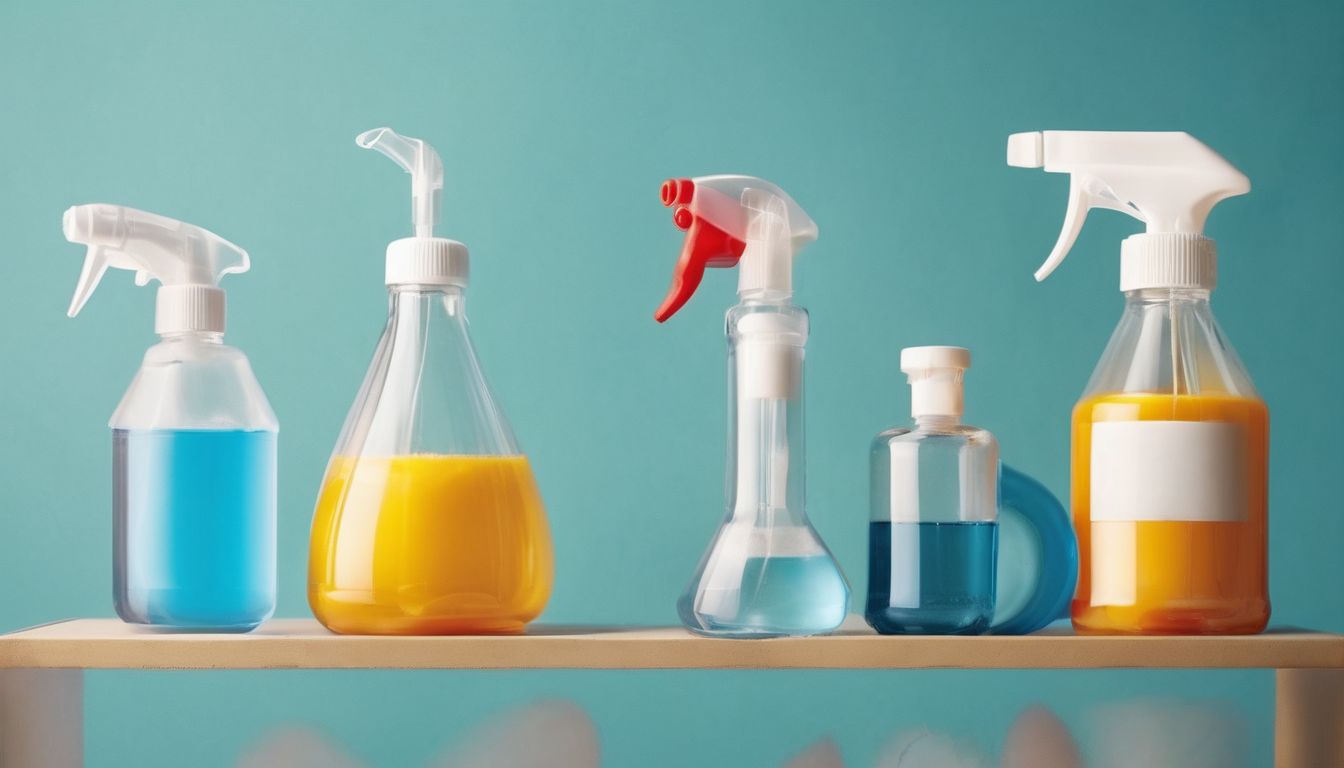
Residential water tanks require specific disinfectants to ensure thorough cleaning and protection against bacteria, algae, and other pathogens. Common types include chlorine-based solutions, quaternary ammonium compounds (quats), and aldehyde-based cleaners.
Chlorine-Based Solutions
These are widely used due to their effectiveness in killing a broad spectrum of microorganisms. However, they can be harsh on the environment and may affect water taste if not applied correctly.
Quaternary Ammonium Compounds (Quats)
These disinfectants are effective against many types of bacteria but generally less potent than chlorine. They leave no residue and are safer for the environment, making them a popular choice in residential settings.
Aldehyde-Based Cleaners
These are strong biocides that can effectively kill viruses and fungi but may be more aggressive on surfaces and require careful handling to avoid residue issues.
—
Common Mistakes to Avoid When Choosing Disinfectants for Water Tank Cleaning
Choosing the wrong disinfectant or applying it incorrectly can lead to ineffective cleaning, potential health risks, and even damage to your tank. Here are some common mistakes to avoid:
Using the Wrong Type of Disinfectant
Selecting a disinfectant that is not appropriate for the specific type or condition of your water tank can lead to suboptimal results. Always refer to manufacturer guidelines and consult with experts when in doubt.
Incorrect Concentration
Using too much or too little disinfectant can compromise its effectiveness. Follow recommended dilution ratios to ensure the right concentration is achieved for maximum efficacy.
—
Recommended Disinfectants for Water Tanks
Based on industry standards and expert recommendations, here are some disinfectants that are commonly used and proven effective in residential water tank cleaning:
- Clorox: A well-known chlorine-based solution often recommended by municipalities.
- Hypochlorite Solutions: These offer a balanced approach between efficacy and environmental impact.
- Bromine Compounds: Effective against a wide range of microorganisms, though less commonly used in residential settings due to cost.
—
Choosing the Right Concentration of Disinfectant
The concentration of disinfectants is critical for effective cleaning. Overdiluting or underdiluting can both lead to poor results and potential health risks. Follow these steps:
- Read the manufacturer’s instructions carefully.
- Use a measuring device like a hydrometer to ensure accurate dilution ratios are achieved.
- Test a small area first if unsure about concentration levels.
—
Preparing and Applying Disinfectants Correctly
The preparation and application of disinfectants require precision to avoid risks. Follow these guidelines:
- Preparation: Mix the chemical in a clean container according to the recommended dilution ratio.
- Application: Apply the solution evenly throughout the tank, ensuring all surfaces are covered. Use appropriate protective gear and follow safety protocols.
- Rinsing: After application, thoroughly rinse with clean water to remove any residue before refilling the tank.
—
Monitoring and Testing for Safe Drinking Water After Cleaning
After disinfection, it’s crucial to ensure that the water is safe for consumption. Here’s how:
- Wait Period: Allow sufficient time for the chemicals to fully neutralize before testing.
- Testing Kit: Use a reliable water testing kit or send samples to a certified laboratory for analysis.
- Monitor pH and Bacteriological Levels: Ensure that both chemical and biological indicators are within safe limits.
—
Conclusion: Ensuring Safe and Clean Water Storage
Selecting the right chemicals for water tank disinfection is a vital step in maintaining clean, safe drinking water. By understanding the types of disinfectants available, avoiding common mistakes, and following proper application techniques, you can ensure that your family’s water supply remains free from contaminants.
—
- Choose reputable brands: Always opt for products recommended by local health authorities or experts in water hygiene.
- Follow instructions carefully: Adhere strictly to the manufacturer’s guidelines to achieve optimal results.
- Regular maintenance: Establish a routine schedule for cleaning and disinfection to prevent build-up of harmful microorganisms.
- Professional assistance: For complex or high-risk situations, consult with a certified water tank cleaner.
—
FAQ
Q1: Can I use any household bleach for my water tank cleaning?
No, not all household bleach is suitable. Commercially approved disinfectants are designed specifically for water storage tanks and meet stricter standards.
Q2: How often should I clean my residential water tank?
The frequency depends on local regulations, tank type, and usage. Regular inspections by a professional can help determine the ideal schedule.
Q3: Are there any natural alternatives to chemical disinfectants?
Natural methods like vinegar or baking soda can be used for minor cleaning but are not sufficient for thorough disinfection.
—
Tags
- Water tank cleaning
- Residential water tanks
- Disinfection chemicals
- Safe drinking water
- Home maintenance
— Understanding Choosing The Right Chemicals For Effective Disinfection In is key to success in this area.