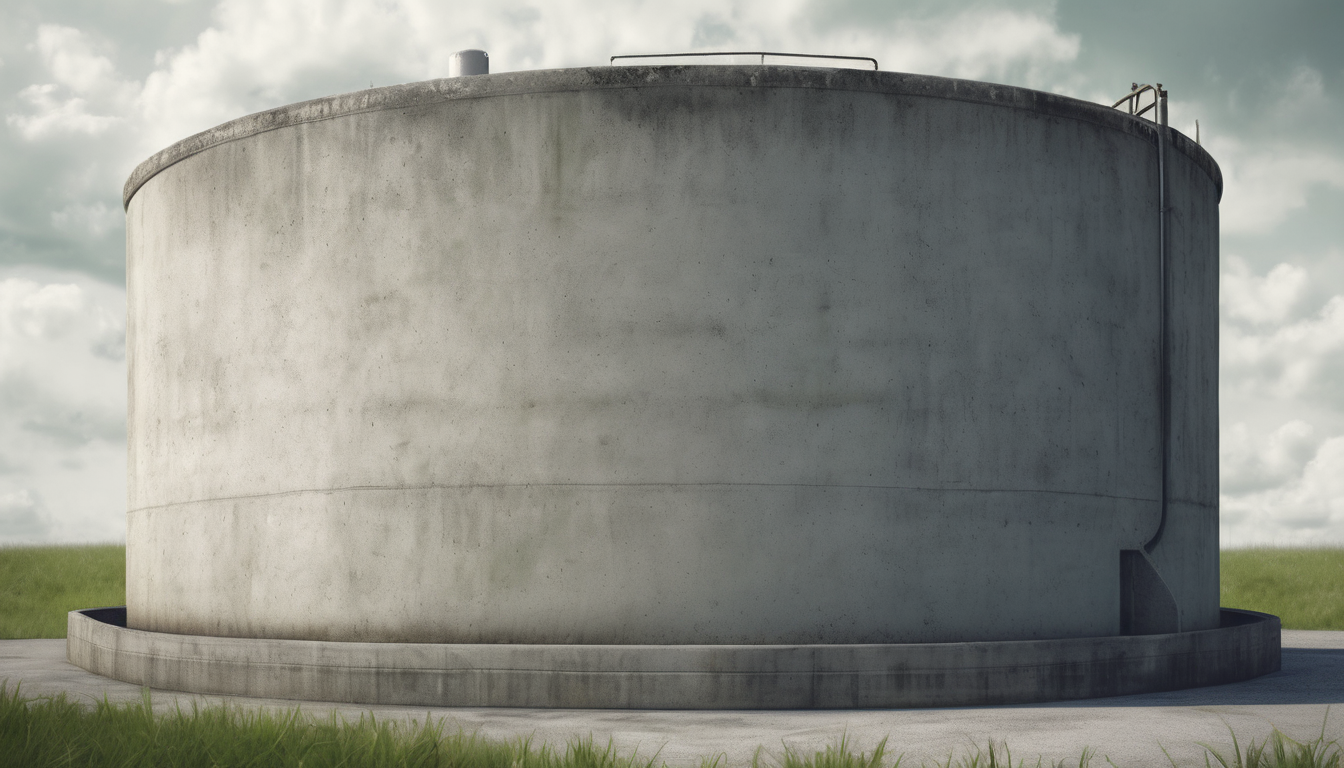




Concrete water tanks require specialised cleaning approaches to maintain water quality while preserving structural integrity. Safe chemical usage for concrete tank cleaning is not just about disinfection—it’s about balancing effectiveness with material compatibility. In Dubai‘s climate, where high temperatures accelerate bacterial growth and mineral buildup, proper chemical selection becomes critical for maintaining potable water standards.
This comprehensive guide explores the approved methods for safe chemical usage for concrete tank cleaning, focusing on Dubai Municipality compliance and long-term tank preservation. Whether you maintain a residential villa tank or manage commercial water storage, understanding these principles ensures both water safety and infrastructure durability.
Understanding Safe Chemical Usage for Concrete Tank Cleaning
Safe chemical usage for concrete tank cleaning begins with understanding the unique properties of concrete surfaces. Unlike plastic or fibreglass tanks, concrete is porous and can absorb chemicals if not properly sealed. This absorption can lead to prolonged chemical leaching into stored water, compromising taste and safety. The primary goal of safe chemical usage for concrete tank cleaning is effective disinfection without damaging the tank’s structural integrity or leaving harmful residues.
Concrete tanks in UAE face specific challenges including high mineral content in water, extreme temperatures that promote bacterial growth, and sand particle accumulation. Each of these factors influences chemical selection and application methods. Proper safe chemical usage for concrete tank cleaning must account for these local conditions while adhering to Dubai Municipality’s strict potable water standards.
Safe Chemical Usage For Concrete Tank Cleaning – Dubai-Approved Chemicals for Concrete Tank Cleaning
Dubai Municipality maintains a specific list of approved disinfectants for potable water systems. For safe chemical usage for concrete tank cleaning, the approved products include chlorine-based compounds at specific concentrations, hydrogen peroxide solutions, and certain food-grade acidic cleaners for mineral deposit removal. These chemicals undergo rigorous testing to ensure they effectively eliminate pathogens without compromising water safety.
The approved concentrations for safe chemical usage for concrete tank cleaning typically range from 50-100 ppm for chlorine-based disinfectants during initial treatment, with lower concentrations (0.2-0.5 ppm) maintained for residual protection. Non-chlorine alternatives must demonstrate equivalent disinfection capabilities while meeting toxicity standards for drinking water applications. Professional tank cleaning services in Dubai maintain documentation of chemical usage to demonstrate compliance during municipal inspections.
Safe Chemical Usage For Concrete Tank Cleaning – Chlorine-Based Solutions: Pros and Cons
Chlorine remains the most common choice for safe chemical usage for concrete tank cleaning due to its proven effectiveness and low cost. Sodium hypochlorite (liquid chlorine) and calcium hypochlorite (powder) are both approved for concrete tank disinfection. These compounds effectively eliminate bacteria, viruses, and algae while providing residual protection against recontamination.
However, chlorine-based solutions require careful handling during safe chemical usage for concrete tank cleaning. High concentrations can damage concrete surfaces over time, particularly if the tank’s protective coating has deteriorated. Chlorine also reacts with organic matter to form disinfection byproducts that may affect water taste and odour. Proper neutralisation and rinsing are essential components of safe chemical usage for concrete tank cleaning with chlorine products.
Non-Chlorine Alternatives: Comparison Analysis
Non-chlorine disinfectants offer alternatives for safe chemical usage for concrete tank cleaning, particularly for tanks serving sensitive populations or where chlorine resistance is a concern. Hydrogen peroxide-based products provide effective oxidation without leaving chemical residues, while ozone treatment offers powerful disinfection without altering water chemistry.
These alternatives for safe chemical usage for concrete tank cleaning typically involve higher initial costs but may provide better compatibility with concrete surfaces. Hydrogen peroxide solutions break down into water and oxygen, eliminating concerns about residual chemicals. However, non-chlorine options generally lack the residual protection that chlorine provides, requiring more frequent application in continuously used water systems.
Proper Application Techniques for Maximum Safety
Correct application methods are crucial for safe chemical usage for concrete tank cleaning. The process begins with thorough mechanical cleaning to remove sediment and biofilm, followed by precise chemical measurement and distribution. For chlorine-based safe chemical usage for concrete tank cleaning, professionals typically apply the solution using low-pressure sprayers to ensure even coverage without damaging the concrete surface.
Contact time represents another critical factor in safe chemical usage for concrete tank cleaning. Most disinfectants require 30-60 minutes of contact with tank surfaces to achieve proper disinfection. During this period, technicians monitor chemical concentrations to ensure they remain within effective ranges. Following treatment, thorough rinsing with potable water removes residual chemicals before the tank is returned to service.
Common Mistakes to Avoid with Chemical Cleaning
Several common errors compromise safe chemical usage for concrete tank cleaning. Over-concentration represents the most frequent mistake, where well-intentioned property owners use stronger solutions than recommended, potentially damaging tank surfaces and leaving harmful residues. Under-dosing presents the opposite problem, providing inadequate disinfection that allows bacterial regrowth.
Inadequate rinsing following chemical treatment represents another common issue in safe chemical usage for concrete tank cleaning. Residual chemicals can affect water taste and potentially react with concrete minerals over time. Proper safe chemical usage for concrete tank cleaning always includes multiple rinse cycles with verification of neutral pH before refilling.
Expert Tips for Effective Chemical Usage
Implementing proper safe chemical usage for concrete tank cleaning requires attention to several expert recommendations. First, always test water quality before and after chemical treatment to verify effectiveness and ensure no chemical residues remain. Second, maintain accurate records of chemical usage, including concentrations, contact times, and rinse procedures for compliance purposes.
Third, consider the tank’s condition when selecting chemicals for safe chemical usage for concrete tank cleaning. Older tanks with deteriorated coatings may require gentler alternatives to prevent further damage. Fourth, always use personal protective equipment when handling disinfectants, even at approved concentrations. Finally, schedule regular professional inspections to assess both water quality and tank condition following chemical treatments.
Frequently Asked Questions
How often should chemical cleaning be performed on concrete tanks?
Most concrete tanks in Dubai require chemical disinfection every 6-12 months, depending on usage patterns and water quality. High-use commercial systems may need quarterly treatment.
Can I perform chemical cleaning myself?
While basic maintenance is possible, proper safe chemical usage for concrete tank cleaning requires professional training and equipment. DIY attempts often result in improper dosing or inadequate rinsing.
How long after chemical treatment can we use the water?
After proper safe chemical usage for concrete tank cleaning and thorough rinsing, water typically becomes safe for use within 24-48 hours, following verification testing.
Are chemical residues dangerous in drinking water?
When properly applied and rinsed according to safe chemical usage for concrete tank cleaning protocols, approved disinfectants leave no dangerous residues. Professional services always conduct post-treatment water testing.
Proper safe chemical usage for concrete tank cleaning represents an essential component of water safety management in Dubai properties. By selecting appropriate disinfectants, following application protocols, and maintaining documentation, property owners ensure both regulatory compliance and water quality protection. Regular professional maintenance incorporating these principles provides peace of mind for families and businesses relying on concrete water storage systems.