







Understanding Mechanical Techniques for Cleaning Limestone Buildup
Mechanical techniques are crucial in maintaining the cleanliness of water tanks, particularly when dealing with limestone buildup. These methods involve physically removing minerals and deposits without the use of harsh chemicals, ensuring a safer and more effective cleaning process. This relates directly to Mechanical Techniques For Cleaning Limestone Buildup.
Identifying Limestone Residue in Water Tanks
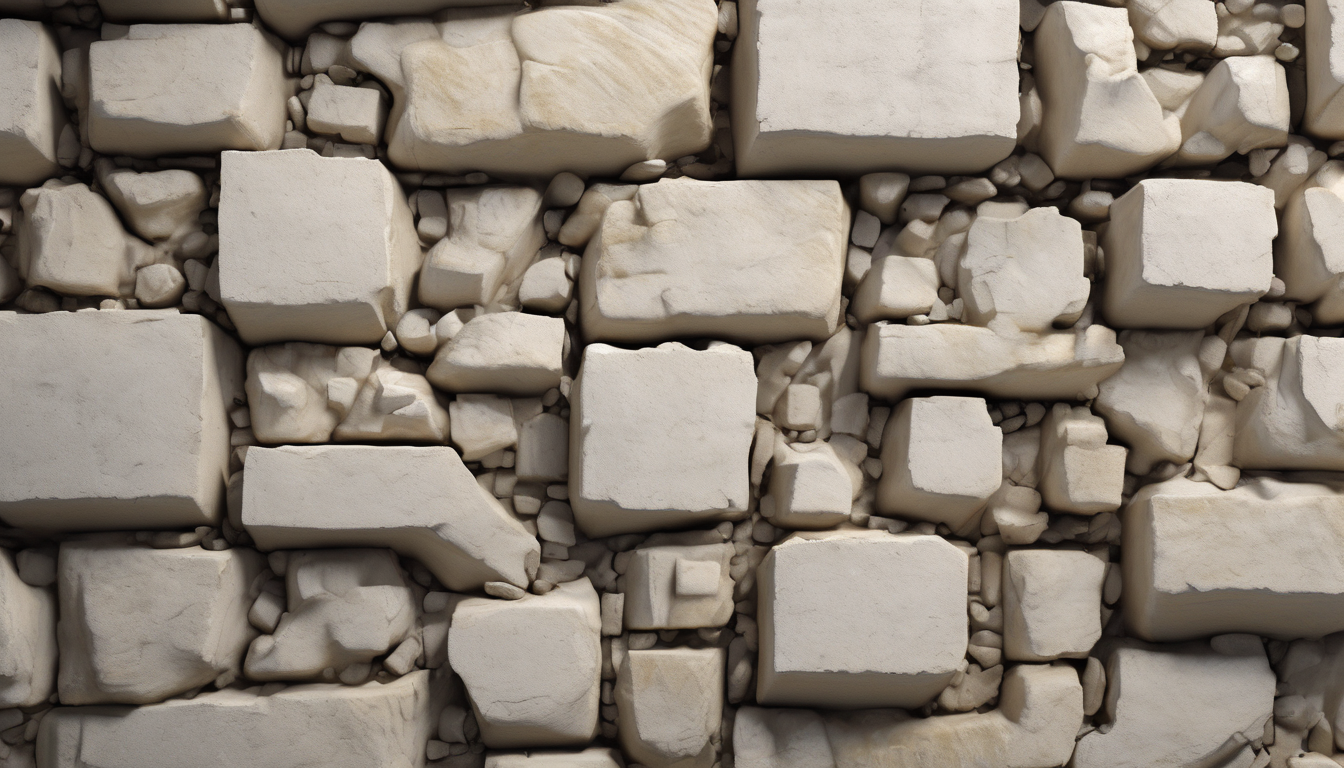
- Look for white or light-colored deposits on tank walls, floor, and roof. These are signs of limestone buildup.
- A foul smell or unusual taste in the water can indicate the presence of residues.
- Visible sediment in taps or fixtures after a long period without use may also point to issues with limestone.
Mechanical Techniques For Cleaning Limestone Buildup – Common Causes of Limestone Buildup in Water Tanks
Limestone buildup is primarily caused by the presence of hard water minerals, which naturally occur as rainwater passes through limestone deposits. These minerals, when dissolved and then precipitated back out, form calcium carbonate scales within the tank.
- Hard water minerals: Calcium (Ca²⁺) and Magnesium (Mg²⁺)
Other factors include:
– Poor water quality from external sources
– Insufficient water flow within the tank
– High temperatures, which can accelerate mineral precipitation
Mechanical Techniques For Cleaning Limestone Buildup – Benefits of Mechanical Techniques Over Chemical Solutions
Mechanical techniques offer several advantages over chemical methods for cleaning limestone buildup. They are safer for the environment and human health, reduce the risk of chemical contamination, and often provide longer-lasting results.
- Environmental Friendliness: No harmful chemicals released into the water supply or surrounding area.
- Mechanical techniques support sustainable practices by minimizing environmental impact.
- Health Safety: Minimizes exposure to potentially toxic substances found in some cleaning agents.
- Safe for families with young children and elderly individuals, reducing the risk of adverse health effects from chemical exposure.
Step-by-Step Guide to Cleaning Limestone Buildup
To effectively clean limestone buildup, follow these steps:
- Drain the water tank completely. Ensure all residue is accessible for thorough cleaning.
- This step prevents contamination of clean water with old residues and ensures a fresh start.
- Use a high-pressure washer or hose with an adjustable nozzle to blast away loose minerals and deposits. Aim for angles that reach all surfaces without causing damage.
- Employ scrub brushes, sponges, or cloths to manually remove stubborn buildup from corners and tight spaces. Focus on areas with visible residues.
- Rinse thoroughly with clean water to remove any remaining debris and minerals.
Preventing Future Limestone Accumulation in Water Tanks
To minimize the risk of limestone buildup, implement these preventive measures:
- Install water softeners to reduce mineral content before it enters the tank.
- Regularly flush the system with clean, fresh water to maintain a healthy flow.
- Monitor and adjust pH levels to keep them within recommended ranges. Alkaline conditions favor limestone formation.
Expert Tips for Maintenance and Long-Term Care
To ensure your water tank remains clean, follow these expert tips:
- Conduct a thorough inspection every 6-12 months to identify early signs of limestone buildup.
- Keep the area around the tank free from debris and vegetation that could introduce contaminants into the system.
- Use biodegradable cleaning products if mechanical methods are not sufficient, ensuring they meet safety standards for potable water systems.
Frequently Asked Questions (FAQs)
- Q: How often should I clean my water tank?
- A: At least once a year, or more frequently if you notice signs of limestone buildup.
Conclusion
Mechanical techniques are an effective and safe approach to cleaning limestone buildup in water tanks. By understanding the causes, identifying residue early on, and following proper maintenance practices, you can ensure a hygienic environment for your family’s daily water use. Understanding Mechanical Techniques For Cleaning Limestone Buildup is key to success in this area.