




What are Preventive Maintenance Schedules for 3-Layer Water Tanks?
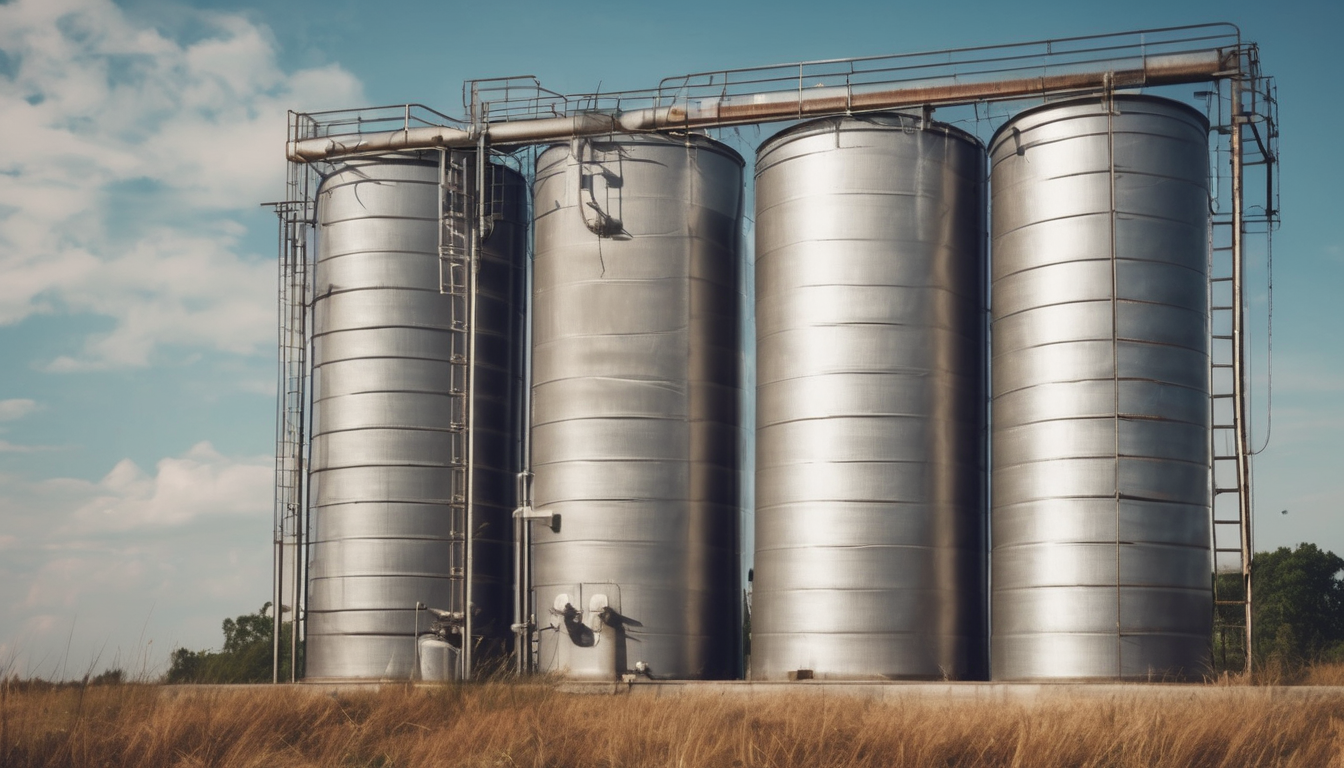
Preventive Maintenance Schedules for 3-layer water tanks are structured plans designed to regularly inspect, clean, and disinfect the tank. These schedules help prevent contamination, reduce risk of bacterial growth, and ensure that your water remains safe and hygienic. By following a systematic approach, you can avoid costly repairs and ensure your family’s daily use of water is free from harmful contaminants.
Preventive Maintenance Schedules For 3-layer Water Tanks – Why Preventive Maintenance is Important
Regular maintenance of 3-layer water tanks is essential for several reasons. First, it helps prevent the accumulation of sediment and biofilm, which can harbor harmful bacteria and other contaminants. Second, it ensures that your tank’s internal components remain in good condition, reducing the risk of leaks or damage. Third, preventive maintenance helps maintain the overall performance and efficiency of the water storage system, ensuring a consistent supply of clean water. This relates directly to Preventive Maintenance Schedules For 3-layer Water Tanks.
Preventive Maintenance Schedules For 3-layer Water Tanks – Best Practices for 3-Layer Water Tank Maintenance
Implementing best practices is crucial to maintaining the integrity and hygiene of your 3-layer water tank. Here are some essential steps: When considering Preventive Maintenance Schedules For 3-layer Water Tanks, this becomes clear.
- Regular Inspections: Conduct visual inspections at least twice a year to check for any signs of damage or contamination.
- Cleaning Schedule: Develop a cleaning schedule that includes both preventive and emergency cleanings, with specific intervals based on tank usage and local climate conditions.
- Disinfection Procedures: Use approved disinfectants to eliminate harmful bacteria and other microorganisms. Follow manufacturer guidelines for application and dwell time.
- Filter Replacement: Replace filters as recommended by the manufacturer, typically every 6-12 months or after a certain number of water cycles.
- Routine Checks: Check for any unusual odors or changes in water quality regularly. Address issues promptly to prevent further contamination.
Understanding the 3-Layer Design
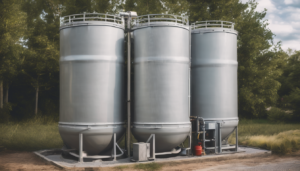
Three-layer tanks are designed with an inner tank, outer tank, and insulation layer. Each component requires specific attention during maintenance: The importance of Preventive Maintenance Schedules For 3-layer Water Tanks is evident here.
- Inner Tank: This is where water storage occurs. Regular cleaning and disinfection of this area are critical to prevent bacterial growth.
- Outer Tank: The outer layer should be checked for structural integrity, ensuring no cracks or leaks that could compromise the tank’s performance.
- Insulation Layer: Inspect the insulation regularly to ensure it is intact and not allowing moisture to seep into the structure. Damaged insulation can lead to corrosion and reduced efficiency.
How to Establish a Preventive Maintenance Schedule
Creating an effective maintenance schedule involves several steps:
- Assessment: Evaluate the specific needs of your 3-layer water tank, considering factors such as usage frequency and local climate conditions.
- Cleaning Frequency: Determine how often to clean based on these assessments. For instance, tanks in areas with high heat and dust accumulation may require more frequent cleaning than those in cooler regions.
- Disinfection Protocols: Define the disinfection protocols, including the types of chemicals to use and the recommended dwell times for effective bacterial removal.
- Checklist Development: Create a detailed checklist that outlines all tasks, from visual inspections to chemical treatments. This will help ensure nothing is overlooked during maintenance.
Advanced Algae Removal Tips for 3-Layer Tanks
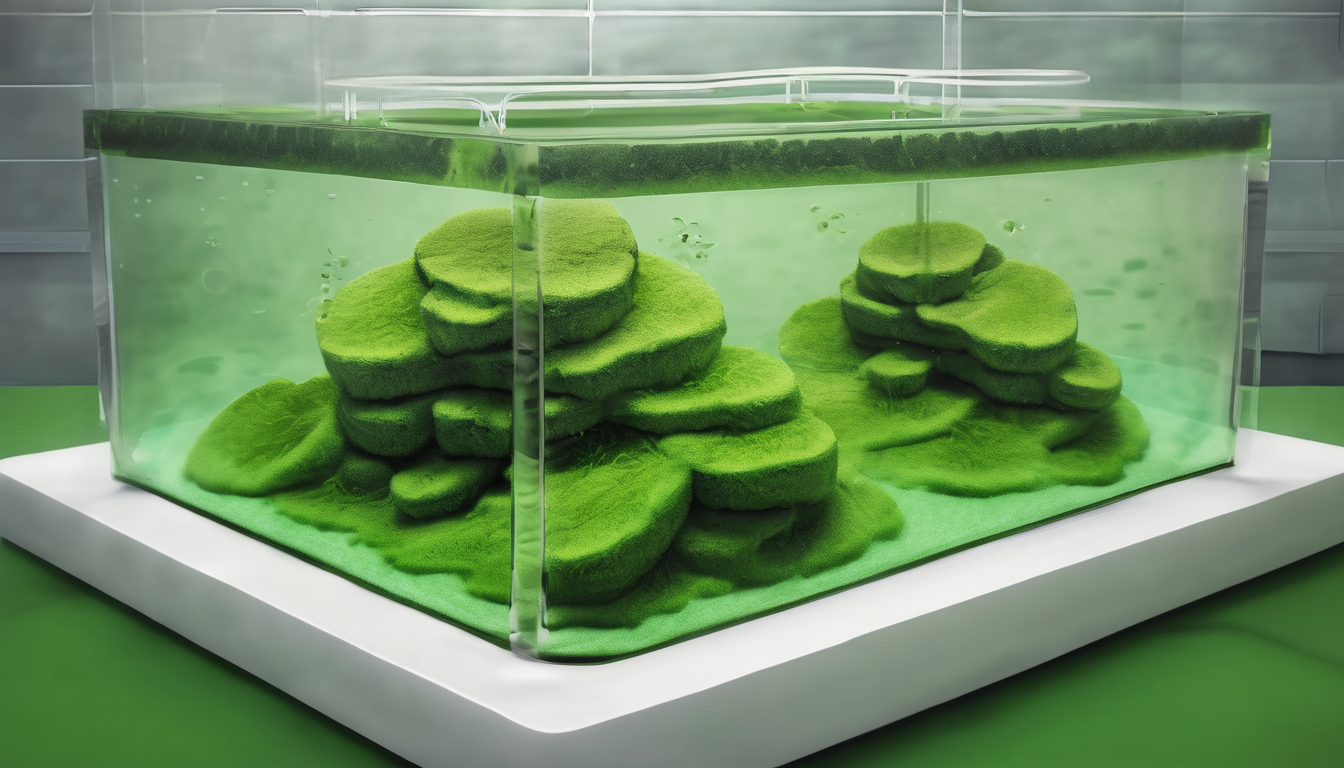
Algae can pose significant challenges in 3-layer water tanks due to their ability to form biofilms and consume nutrients. Here are some advanced techniques: Understanding Preventive Maintenance Schedules For 3-layer Water Tanks helps with this aspect.
- Physical Removal: Use scrub brushes or specialized tools to physically remove algae from the inner tank walls.
- Biological Control: Introduce natural algicides, such as copper sulfate or chlorine dioxide, to control and prevent future growth. However, use these with caution as they can affect water quality if not applied correctly.
- Chemical Treatment: Apply approved algaecides after draining the tank. Follow the manufacturer’s instructions for application rates and dwell times to ensure effectiveness without compromising water safety.
Safe Chemical Practices for Effective Cleaning
Using safe chemicals is crucial when cleaning 3-layer water tanks. Here are some best practices:
- DM Approval: Only use chemicals that have been approved by the Dubai Municipality (DM) for potable water applications.
- Proper Application: Follow manufacturer guidelines precisely to avoid overuse or misuse, which can lead to chemical residues in your water supply.
- PPE Use: Always wear protective equipment such as gloves and masks when handling chemicals. Ensure adequate ventilation during application.
- Rinsing: Thoroughly rinse all surfaces after cleaning to remove any remaining chemicals before refilling the tank.
Tips from Experts on Extending Tank Lifespan
Here are some expert tips for extending the lifespan of your 3-layer water tank:
- Frequent Inspections: Regularly inspect the tank’s components, including the inner and outer tanks as well as the insulation.
- Proper Drainage: Ensure that the tank has a proper drainage system to prevent water stagnation, which can promote bacterial growth.
- Avoid Overfilling: Do not overfill the tank beyond its capacity. This can put unnecessary stress on the tank and lead to leaks or structural damage.
- Regular Maintenance Training: Train all personnel involved in the maintenance process to ensure they follow established protocols accurately.
Frequently Asked Questions about Maintenance Schedules
Here are answers to some frequently asked questions regarding 3-layer water tank maintenance schedules:
- Q: How often should I clean my 3-layer water tank?
- A: The frequency of cleaning depends on usage and local conditions. Aim for at least once a year, with additional cleanings as needed based on inspections.
- Q: What are the signs that indicate it’s time to clean my 3-layer water tank?
- A: Look out for sediment buildup, unusual odors, discoloration of water, or changes in taste. These are clear indicators that your tank needs cleaning.
- Q: Can I use any chemical to clean my 3-layer water tank?
- A: No, only use chemicals approved by the Dubai Municipality for potable water applications. Unauthorized substances can compromise water quality and safety.
Conclusion
Establishing a comprehensive preventive maintenance schedule is vital for maintaining the health and longevity of your 3-layer water tank. By following best practices, developing an effective cleaning plan, and addressing potential issues promptly, you can ensure that your water remains clean, safe, and reliable for years to come. Understanding Preventive Maintenance Schedules For 3-layer Water Tanks is key to success in this area.